 WeeklySA_Admin
HABIT: But, before you reach for the next cup, the scientists say its complicated…
By Own Correspondent
LONDON — You’re nursing your third cup of coffee at 2pm, feeling slightly guilty about your caffeine dependency, when science drops an unexpected update: that habit might actually be helping your cells age more gracefully.
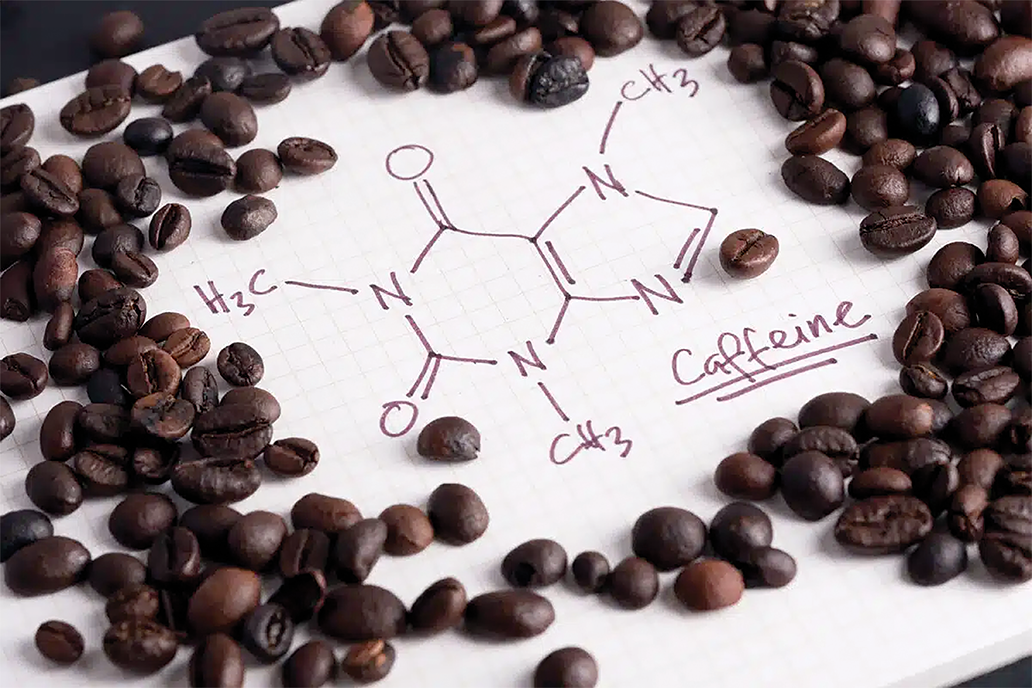
But before you start chugging espresso shots, researchers have discovered something surprising about how caffeine works at the cellular level.
A study published in Microbial Cell reveals that in addition to helping you wake up, caffeine also interacts with the machinery that governs aging, DNA response, and cellular stress.
Scientists found that this beloved stimulant can extend lifespan and influence how cells handle genetic damage, particularly when the molecular systems that regulate stress are already activated.
Dr Charalampos Rallis and his colleagues at Queen Mary University of London used fission yeast to test caffeine’s effects. These simple organisms are ideal models for studying aging because they share many basic features with human cells and use similar molecular pathways to manage energy, DNA repair, and stress.
The team exposed the yeast to various forms of cellular stress, including DNA-damaging agents and nutrient deprivation. They also monitored how yeast cells aged under standard laboratory conditions. Then they added caffeine to the mix and tracked how the cells responded.
Even under normal aging conditions, caffeine extended the yeast’s lifespan. But the compound also affected how cells dealt with stress, particularly when their internal repair systems were disrupted. Study authors say caffeine’s effects weren’t general boosts; instead, it acted on specific molecular pathways involved in decision-making about cell division, repair, and survival. The secret lies in something called the AMPK pathway, a kind of energy and stress sensor that helps cells adapt to tough conditions. Caffeine appears to influence this pathway through two key proteins called Ssp1 and Ssp2. These proteins help determine whether a cell should divide, pause, or repair itself.
When the researchers deleted the genes for Ssp1 or Ssp2, caffeine’s life-extending effects disappeared entirely. That suggests the stimulant doesn’t act alone; rather it works through these specific proteins. Without them, caffeine is just another molecule with no special benefits.
One of the most interesting — and confusing — findings was what caffeine did to yeast with damaged DNA. Instead of protecting them, caffeine actually made the damage more harmful. That’s because it seemed to interfere with the cells’ normal repair systems, making it harder for them to fix the damage. Under normal conditions, when a cell detects DNA damage, it usually stops dividing so it can make repairs. But caffeine seemed to override that safety pause, pushing cells to keep going, even when they weren’t fully healed. The result: greater sensitivity to damage. This doesn’t necessarily mean caffeine is dangerous. It just means it changes how cells handle problems. Whether that’s good or bad may depend on the situation.
Before you start viewing your morning latte as a miracle drug, remember that this study was conducted in fission yeast, not humans. Still, these single-celled organisms share many of the same stress and aging pathways found in human cells, making them useful models for aging research.
This study shows that caffeine doesn’t act as a universal health booster; it’s more like a specialised tool that works only under the right conditions, and only if your cells have the right machinery in place. That might explain why studies on coffee’s effects in humans sometimes show benefits and other times don’t.
The researchers were particularly interested in how caffeine’s effects depend on context. Its benefits weren’t universal or automatic; they depended on the presence of specific proteins and pathways. That might help explain why some studies in humans have found links between caffeine intake and better health, while others have not.
Caffeine’s ability to override DNA checkpoints and manipulate stress responses could, under some conditions, be helpful—but under others, harmful. The precise effects likely depend on what’s happening in the cell at the time, and what molecular “machinery” is in place to process the signal.
In this study, the researchers used 10 millimolar caffeine—a dose higher than typical human consumption, but within the range used in laboratory studies of cellular signalling. Your daily caffeine habit might be doing more than just keeping you alert, it could be interacting with ancient cellular machinery that governs aging, stress, and survival. But that doesn’t make caffeine a magic bullet. Its benefits appear to be context-specific, relying on specific cellular conditions and proteins to work.
So the next time someone gives you side-eye for that extra coffee, you can tell them: it’s complicated. Caffeine may not be reversing aging in humans just yet, but it’s giving scientists new insight into how cells make life-and-death decisions—and that’s a powerful cup of knowledge. – Study Finds