 WeeklySA_Admin
RISKS: Pilot research suggests plastic particles may be a hidden risk factor for prostate cancer, after scientists found significantly higher levels inside tumour tissue…
By Own Correspondent
Tiny fragments of plastic pollution have been discovered in prostate cancer tumours, raising new concerns about the possible health risks posed by widespread exposure to microplastics.
A pilot study by researchers at NYU Langone Health found microplastic particles in nine out of 10 prostate cancer patients, with significantly higher concentrations inside tumour tissue than in nearby healthy prostate tissue.
The findings, which will be presented at the American Society of Clinical Oncology’s Genitourinary Cancers Symposium, represent some of the first direct evidence suggesting that microplastic exposure could be linked to prostate cancer.
Researchers analysed prostate tissue samples from 10 patients undergoing surgery to remove the gland. Microplastics were detected in 90% of tumour samples and 70% of benign tissue samples.
On average, cancerous tissue contained about 40 micrograms of plastic per gram, compared with approximately 16 micrograms per gram in noncancerous tissue — about two-and-a-half times higher.
Study lead author Dr Stacy Loeb said the findings point to a possible environmental risk factor that has received little attention in prostate cancer research.
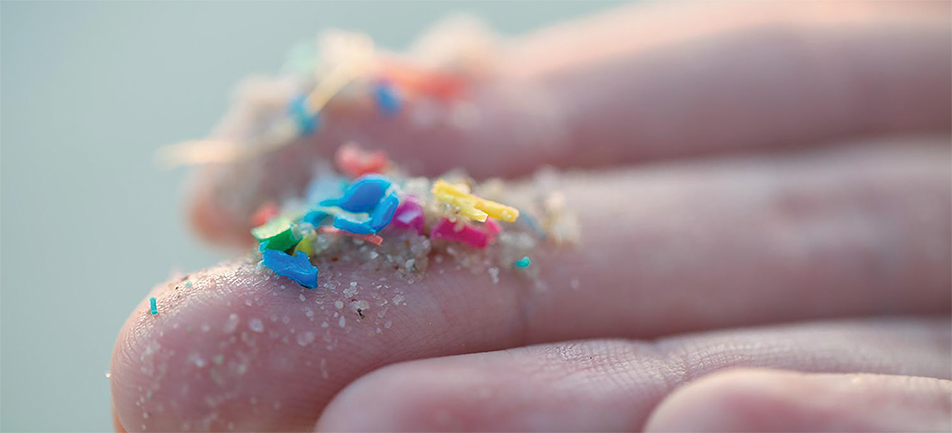
Microplastics are created when plastics from food packaging, cosmetics, clothing and industrial materials break down into microscopic fragments. Humans can ingest these particles through food and water, inhale them from the air, or absorb them through the skin.
Previous research has already detected microplastics in human organs, blood, body fluids and even the placenta. However, their role in disease development remains largely unclear.
Scientists in the latest study took extensive precautions to prevent contamination, replacing plastic laboratory equipment with aluminium and cotton tools and working in specialised clean-room environments.
Senior researcher Dr Vittorio Albergamo said the results highlight growing concerns about the health impact of plastic pollution.
The research team believes microplastics may trigger chronic inflammation in prostate tissue — a process known to increase cancer risk — but further studies are needed to confirm the link.
Researchers cautioned that the study involved only a small number of patients and that larger investigations will be required before firm conclusions can be drawn.
Prostate cancer is one of the most common cancers affecting men worldwide, with roughly one in eight men expected to be diagnosed during their lifetime.
The researchers say future studies will focus on understanding how microplastics behave inside the body and whether they directly contribute to cancer development.
Microplastics and Cancer: What Scientists Know So Far
Scientists have increasingly raised concerns that microplastics — tiny fragments created when plastic materials break down — may pose a long-term cancer risk. Although research is still at an early stage, growing evidence suggests these particles can accumulate in human organs and may interfere with normal cell function.
The recent discovery of microplastics in prostate tumours adds to a widening body of research linking plastic exposure to serious diseases.
Evidence Is Growing
Researchers have already detected microplastics in:
Human blood; lung tissue; the digestive system; the placenta; and reproductive organs.
The presence of microplastics inside the body has raised concerns that the particles may remain embedded in tissues for long periods.
Scientists stress that finding microplastics in organs does not automatically prove they cause cancer. However, the increasing number of studies showing their presence in diseased tissue is drawing closer scientific scrutiny.
Possible Cancer Mechanisms
Scientists believe microplastics could contribute to cancer development in several ways:
Chronic Inflammation
Microplastic particles may irritate body tissues and trigger long-term inflammation, which is known to increase cancer risk.
Chemical Exposure
Plastics often contain additives such as stabilisers and plasticisers. Some of these chemicals are known to interfere with normal cell function.
Cell Damage
Very small plastic particles may penetrate cells and disrupt normal biological processes.
Hormone Disruption
Certain plastic compounds act as endocrine disruptors that interfere with hormone systems linked to cancers such as prostate and breast cancer.
Early but Concerning Findings
The prostate cancer pilot study found plastic particles in 90% of tumour samples, with significantly higher concentrations than in nearby healthy tissue.
Scientists caution that these findings do not yet prove cause and effect, but they highlight a potential environmental risk factor that requires urgent investigation.
The Research Gap
Key questions remain unanswered:
How long microplastics stay in the body?
What levels are dangerous?
Which types of plastic are most harmful? and
How exposure affects long-term health?
Larger studies are now being planned to better understand whether microplastics directly contribute to cancer development.
A Growing Public Health Concern
Researchers say microplastics are now so widespread that avoiding exposure completely is impossible. Instead, scientists are calling for:
• Stronger regulation of plastics;
• Better product safety standards;
• Reduced environmental pollution; and
• More long-term health studies.
The discovery of microplastics inside cancer tissue is strengthening concerns that plastic pollution may represent a hidden public health risk for future generations.
How Microplastics Enter the Human Body
Microplastics — tiny fragments of plastic smaller than five millimetres — are now found throughout the environment and increasingly inside the human body.
Scientists say people are exposed to these particles daily through food, water, air and everyday consumer products.
Recent research has detected microplastics in human blood, lungs, the digestive system and reproductive organs, raising concerns about long-term health risks.
Food and Drinking Water
One of the main routes of exposure is through food and beverages, particularly those stored or heated in plastic containers.
Common sources include:
Bottled water; plastic food packaging; takeaway containers; microwave-heated plastic meals; and processed foods.
Heating plastic containers can accelerate the release of microscopic particles into food and liquids.
Air We Breathe
Microplastics are also present in indoor and outdoor air.
They come from: synthetic clothing fibres, household dust, vehicle tyres and industrial pollution.
Degrading plastic waste
These particles can be inhaled and may accumulate in the lungs.
Skin Contact
Some microplastics may enter the body through direct skin exposure, especially from:
• Cosmetics and skincare products;
• Personal care products; and
• Synthetic fabrics.
Plastic handling in workplaces
Although skin absorption is believed to be lower than inhalation or ingestion, researchers say it remains a concern.
Why Scientists Are Concerned
Scientists suspect microplastics may harm human health by:
• Triggering chronic inflammation;
• Carrying toxic chemicals;
• Damaging cells;
• Disrupting hormones; and
• Increasing cancer risk.
The recent discovery of microplastics in prostate tumours has intensified calls for more research into the long-term health effects of plastic exposure.
Reducing Personal Exposure
• Experts suggest simple steps to limit exposure:
• Use glass or stainless-steel containers;
• Avoid heating food in plastic;
• Reduce bottled-water use;
• Choose natural-fibre clothing; and
• Ventilate homes regularly.
While it is impossible to avoid plastics completely, researchers say reducing exposure may help lower potential health risks.