 WeeklySA_Admin
DREAM: From giants to giant-slayers, Africa sends her biggest-ever contingent to the 2026 World Cup — and every team carries a story, a style and a shot at history…
By WSAM Correspondent
Africa has doubled its presence. Now expectations are high that it will double its impact at the world’s greatest sporting spectacle.
This is no longer about Africa showing up — it’s about continent showing out.
The expanded World Cup 2026 has opened the door. Now comes the real test: Can Africa turn numbers into knockout-stage dominance — and finally, into a finalist?
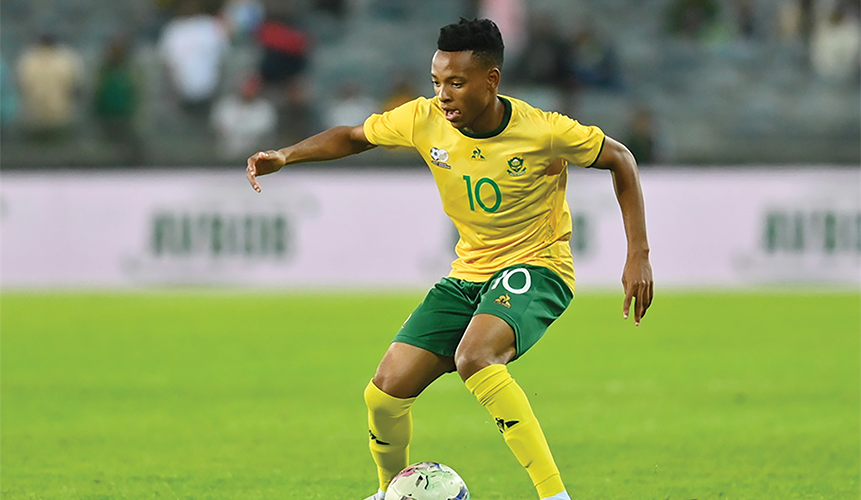
For South Africans, this story carries something more — a return. Bafana Bafana are back on football’s biggest stage. Not as hosts. Not as outsiders. But as competitors.
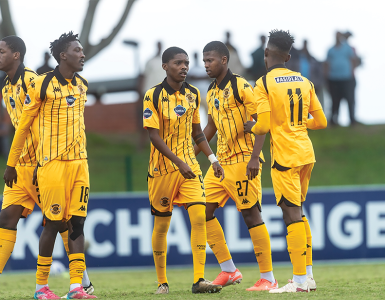
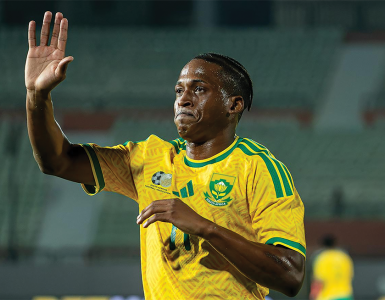
Fresh from a two-match friendly series against Panama, Bafana have emerged from the counters galvanised by a significant tactical potential. But persistent issues in clinical finishing and defensive concentration remain a concern, having being put to the test in this department to a greater extent by the crafty Panamanians.
South Africa drew the first match 1-1 in Durban and lost the second 1-2 in Cape Town. Despite the results, coach Hugo Broos expressed contentment with the team’s ability to compete against a higher-ranked Central American side—a crucial test given South Africa’s upcoming 2026 World Cup opener against Mexico.
For countries like Cape Verde, the tournament represents a chance to make a debut appearance, while established teams such as Ghana and Senegal will aim to build on previous experiences.
A platform for the future
The presence of 10 African teams is expected to boost the continent’s visibility and influence in world football, while also inspiring a new generation of players and fans. It also reflects the continued investment in football development across Africa, with improved structures, coaching and talent pathways contributing to stronger national teams.
Looking ahead to 2026 The 2026 World Cup, to be held in the United States, Canada and Mexico, promises to be the biggest edition in history.
For Africa, the tournament represents more than just increased participation — it is a moment of validation. With 10 teams set to compete, the continent will not only be present in record numbers but will also carry heightened expectations of making a lasting impact on the global stage
While the continent will arrive in numbers, South Africa arrives with purpose.
Can Africa turn belief into history?
MINI-PROFILES
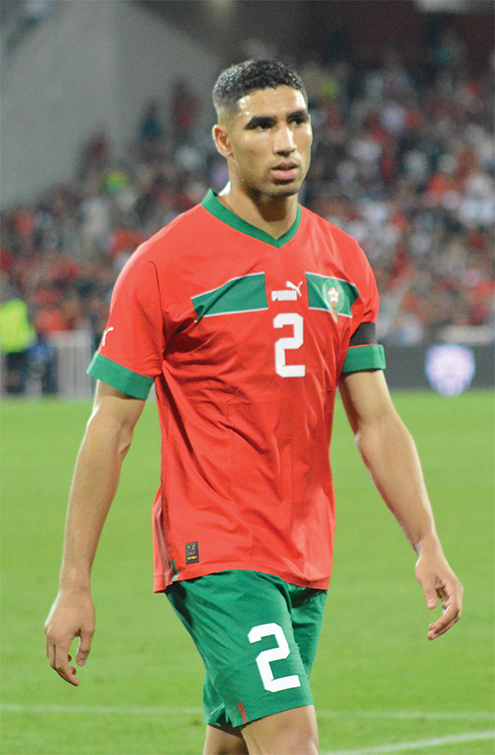
MA: Morocco – The Benchmark
Still Africa’s reference point after 2022. Tactical discipline meets fearless ambition.
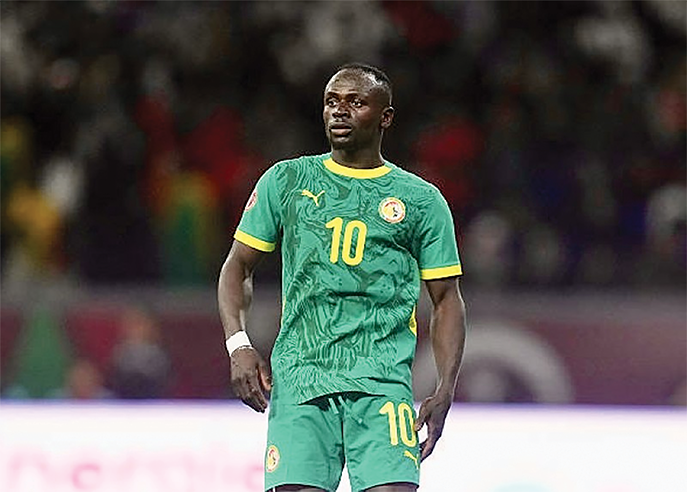
SN: Senegal – The Heavyweights
Physically dominant, mentally strong. Built for tournament football.
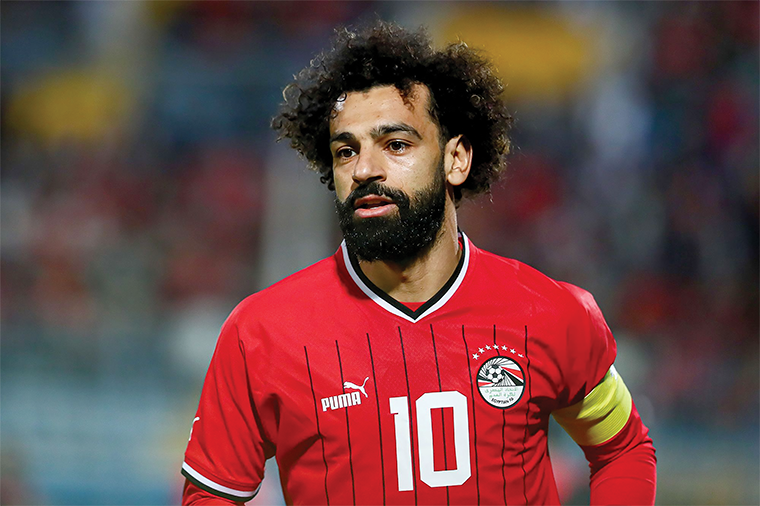
EG: Egypt – The Legacy Giants
History-rich and technically gifted — chasing a long-awaited global breakthrough.
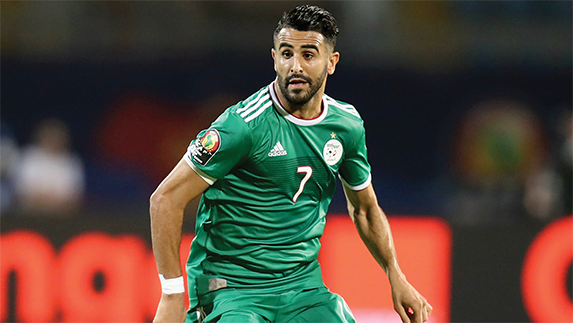
DZ: Algeria – The Controllers
Elegant, composed, and dangerous when dictating tempo.
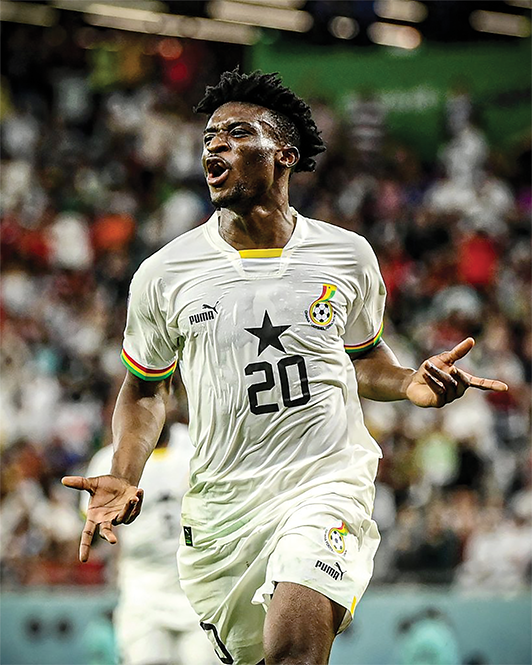
GH: Ghana – The Fighters
Resilient and proud. Always capable of rising when it matters.
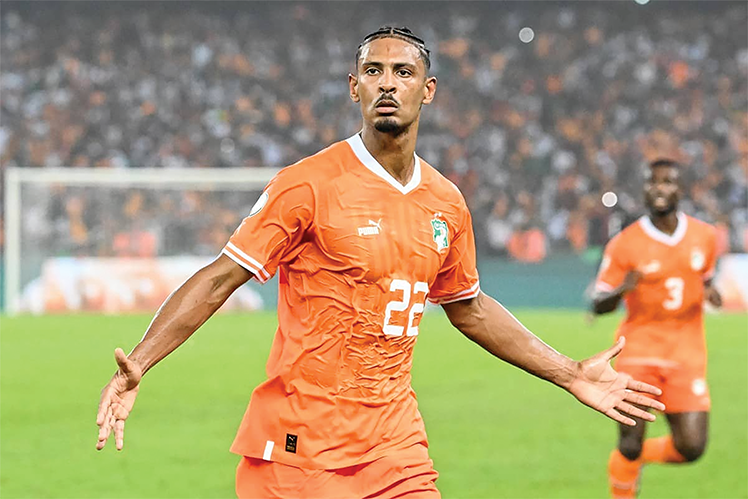
CI: Ivory Coast – The Re-awakening
A new generation restoring swagger and strength.
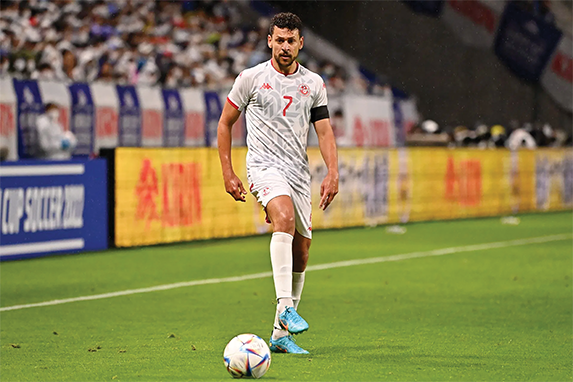
TN: Tunisia – The Disruptors
Organised, disciplined, and hard to break down.
CV: Cape Verde – The Dream Story
Small nation, big belief. Fearless and technically sharp.
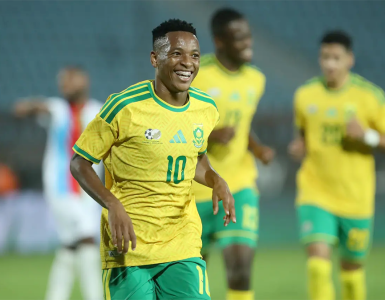
ZA: South Africa – The Comeback Story
Bafana Bafana return to the World Cup stage with renewed belief.
Structured, disciplined, and driven by a new generation — this is a team looking to restore pride and prove it belongs among Africa’s elite.
CD: DR Congo – The Returnees
Back after 52 years. Physical, passionate, and determined to make it count.
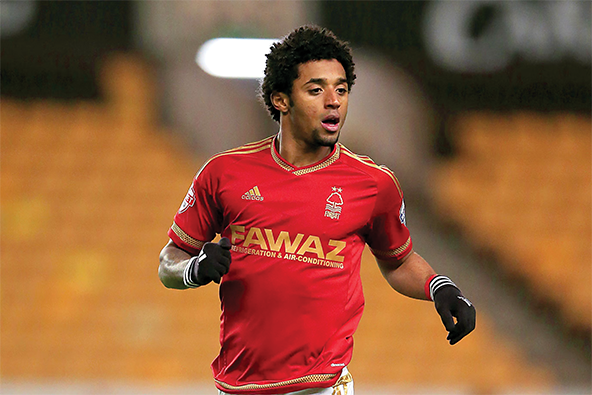
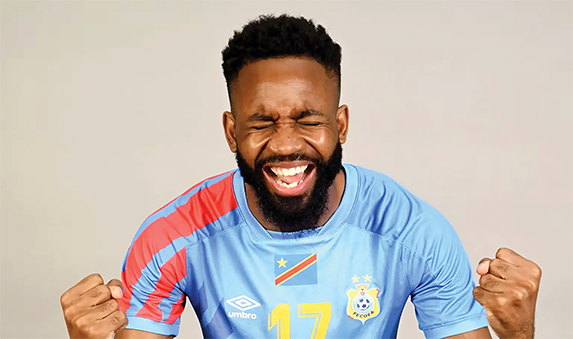
Players to Watch
Hakimi (Morocco)
Mané (Senegal)
Salah (Egypt)
Mahrez (Algeria)
Kudus (Ghana)
Haller (Ivory Coast)
Relebohile Mofokeng (South Africa)
Msakni (Tunisia)
Mendes (Cape Verde)
Bakambu (DR Congo)