 WeeklySA_Admin
SETBACK: US funding shifts ripple through frontline services, leaving vulnerable patients scrambling for life-saving treatment…
By Marecia Damons
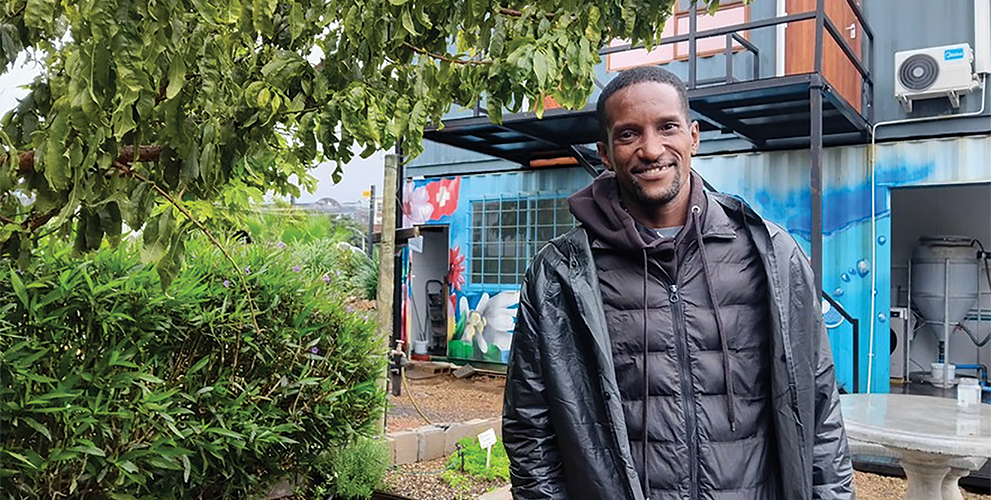
When Jade Lewis arrived to collect his methadone at a TB HIV Care drop-off site in Cape Town, he expected to leave with the medication helping him rebuild his life. Instead, he was told to come back another day.
For Lewis (44), who has battled heroin addiction for two decades, that moment was more than an inconvenience — it was a setback that threatened his recovery.Methadone, a critical treatment for opioid dependency, helps stabilise patients and reduce withdrawal symptoms. Without it, the risk of relapse rises sharply.
In February, Lewis was turned away from the Adderley Street site due to lack of supply. The same thing happened again in April. In the weeks between, access remained erratic — sometimes he received enough for two days, sometimes three.
When the medication ran out, he turned back to heroin to cope with the physical toll of withdrawal.
“Your body shakes, you get spasms. You feel hot and cold. You don’t know up from down,” he said. “You can’t concentrate or focus.”
Lewis takes 7ml of methadone daily. Earlier this month, he and Streetscapes outreach worker Rudie Basson sought help from a private doctor. Streetscapes covered the cost of purchasing the medication from a pharmacy — about R283 for just five days’ supply.
For many, that cost is out of reach.
Basson said disruptions leave patients with few alternatives. “They might not have the money to buy methadone because it’s expensive. For 35ml it costs about R200 to R300. Heroin is cheaper,” he said. The consequences can be severe — and immediate.
Lewis said inconsistent access to methadone cost him a job opportunity after he was unable to secure a month’s supply of medication required for employment.
“I had to let the opportunity go,” he said. “That threw me off, and I started using heroin again.”
His struggle is part of a broader problem now facing harm-reduction programmes across South Africa.
TB HIV Care’s People Who Inject Drugs programme, which provides methadone and support services, has historically relied on international funding — including the US President’s Emergency Plan for AIDS Relief (PEPFAR), the US Centers for Disease Control, and the Global Fund to Fight AIDS, TB and Malaria.
But recent cuts to US global health funding have intensified competition for resources, placing programmes under pressure.
South Africa’s allocation from the Global Fund is now just a quarter of what it was in the previous three-year cycle, making it increasingly difficult to sustain essential services.
The funding squeeze has forced organisations to adapt quickly — sometimes with unintended consequences for patients.
TB HIV Care acknowledged the disruptions, saying recent funding transitions required operational adjustments that temporarily affected service delivery.“The People Who Use and Inject Drugs Programme… recently underwent a transition in funding,” said communications manager Aziel Gangerdine.
“As a result, certain operational and process adjustments were required, which temporarily affected service momentum in some areas.”
He added that services have since stabilised and no national methadone shortage has been declared by authorities.
But for patients like Lewis, even short-term disruptions can undo months of progress.
A Mitchells Plain native, Lewis has lived through cycles of addiction and recovery since first using cocaine in 2001 before moving to heroin in 2005. Personal trauma — including a sexual assault in matric, the death of his sister, and the breakdown of his marriage — deepened his dependency over the years.
Since 2014, he has entered multiple recovery programmes. His latest attempt began in November last year through TB HIV Care and Streetscapes.
Now living in a shelter and earning a small stipend through outreach work and informal jobs, he is trying once again to rebuild his life.
But the fragility of that recovery has been laid bare. Even brief gaps in treatment, he said, can push patients back to the streets — and back into addiction.
For frontline workers, the lesson is clear: consistency in treatment is not a luxury, but a necessity.
And as global funding priorities shift, the risk is that those who depend most on these services will be the first to feel the impact. –GroundUp