 WeeklySA_Admin
Service: Many municipalities do not have the revenue to provide the services that people need…
By Monk Nkomo
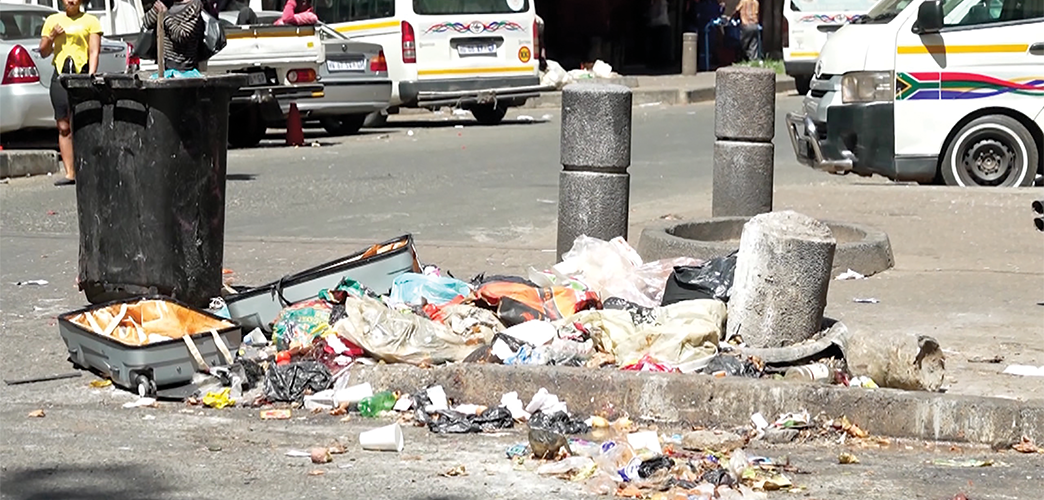
With local government elections set to be held on November 4 this year, most of South Africa’s municipalities still do not have the revenue base to provide the infrastructure and services that people needed.
In his address to the Extended President’s Coordinating Council meeting in Ekurhuleni, President Cyril Ramaphosa lamented the state of municipalities and said most of them had weak financial management and institutional capability, poor revenue collection and insufficient accountability.
Many municipalities encountered systemic problems and governance instability. This resulted in poor service delivery. The current system was too complex and fragmented, with even small and under-resourced municipalities expected to take on many responsibilities. ‘’ This results in poor service delivery. Water and electricity disruptions are common . Roads and other infrastructure are not maintained. It is ordinary South Africans who bear the brunt’’, said Ramaphosa.
One of the most immediate challenges that affected almost every municipality was the crisis in the provision of water and sanitation. Government was familiar with the main reasons for the growing frequency and extent of water disruptions. These included ageing infrastructure , illegal connections, inadequate metering, weak monitoring , poor maintenance and institutional instability.
‘’Our eight metropolitan municipalities are collectively losing an average of 34 percent of all water purchased before it can be billed. Some metros are approaching 50 percent. Municipal debt to water boards has tripled between 2018 and 2025’’.
The President said energy, water, roads and public transport formed the foundation on which economic growth and social development were built. Municipalities must be at the frontline of delivery, ensuring that industrial parks had power, that township streets were lit, that businesses could operate with confidence.
‘’We must therefore cut red tape. Bureaucratic delays are driving investment away and shutting out the very entrepreneur we need to grow our local economies. We must take steps to professionalise the Public Service at a local level.’’
Ramaphosa said the new White Paper on Local Government would be pivotal in addressing the serious challenges faced by most municipalities. It would reimagine the way local government worked and address systemic challenges in their structure and functioning . ‘’ Appointments must be made on merit. There must be accountability and transparency. We cannot build up the skills and capabilities of everyone who works in local government. We also need a range of actions addressing critical areas of failure.’’
This was the first time that the PCC held an extended meeting that brought together all the mayors and municipal managers of local government tier of Government. The President’s Coordinating Council, which is composed of national ministers, Premier and local government representatives, was established to strengthen coordination across South Africa’s three spheres of Government – national, provincial and local.
Ramaphosa added that South Africa’s system of government was based on cooperative governance. In essence, the architecture of Government was set up in a well-structured way where national government sets national policy while provincial governments coordinated the implementation of policy and local government delivered the execution of policy. The PCC was created to ensure that all these spheres of Government worked together and not in silos. This week’s historic and unique meeting, said the President, was aimed at enhancing cooperative governance process so that they could work together as all three spheres of Government on a clear action plan to address the challenges facing many of our municipalities.
The meeting was not to repeat the catalogue of shortcomings and weaknesses in local government, but to focus on the solving of the problem.
‘’We are clear that resolving this crisis requires a collaborative and coordinated response across all three spheres of government, working together with all social partners and communities. As we deliberate today, there are five key principles that must guide our common effort’’.
Ramaphosa added : ‘’Where there is underperformance, it must be corrected, and where there is persistent failure, there must be swift intervention. There must be no space for corruption, criminality or sabotage. Cooperative governance must be made practical’’.