 WeeklySA_Admin
VIGILANTISM: Protests draw hundreds, veering off approved routes, forcing shop closures and exposing deepening anger…
By Warren Mabona and Ihsaan Haffejee
Johannesburg and Pretoria were this week gripped by coordinated anti-immigrant marches that highlighted mounting public frustration over undocumented migration, crime and economic pressure — but also raised fresh concerns about lawlessness, intimidation and the risk of xenophobic violence.
In Johannesburg, about 1 000 protesters gathered at Mary Fitzgerald Square before marching toward the Gauteng Legislature. However, the demonstration — organised by March and March and supported by groups including ActionSA — soon veered off its approved route, spilling into Braamfontein and Hillbrow.
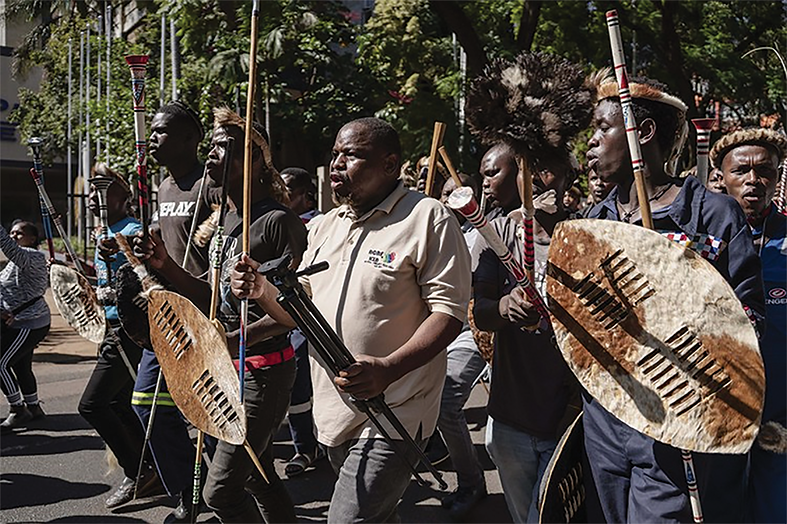
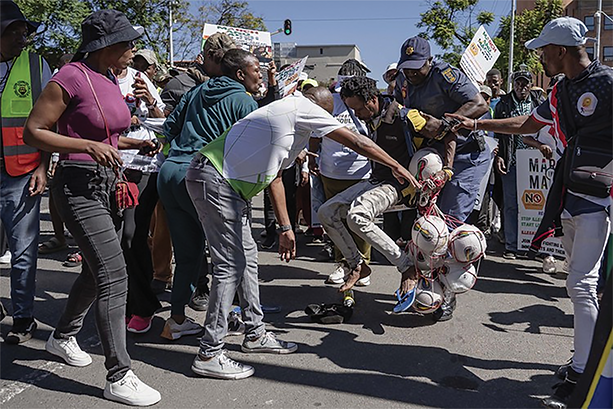
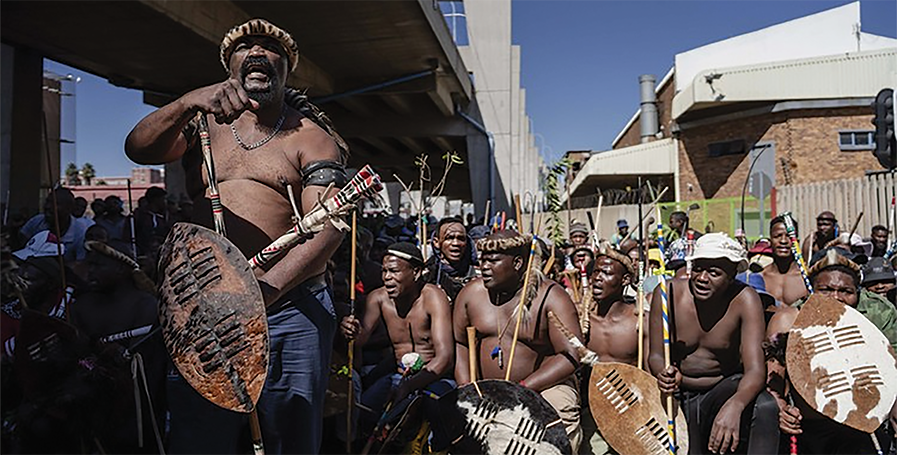
Tensions escalated when a group of shirtless men armed with sticks and shields broke away from the main march, leading sections of the crowd through the inner city. A man was assaulted and left bleeding, while shop owners scrambled to close businesses amid fears of looting.
Police, who were escorting the march, appeared unable to redirect the crowd back to its agreed route. Despite this, authorities later described the protest as peaceful, saying no formal incidents had been recorded.
Immigrant communities bore the brunt of the fear. An Ethiopian shopkeeper said many businesses shut down pre-emptively, citing uncertainty over protection.
Protesters were heard hurling insults at those they perceived to be foreign nationals.
A memorandum of demands was eventually handed to Gauteng Premier Panyaza Lesufi, though his attempt to address the crowd was cut short by boos. Meanwhile, in Pretoria, a similar protest unfolded a day earlier, with more than 300 marchers moving through the city centre toward the Union Buildings.
Led by March and March and joined by ActionSA and Operation Dudula, the protest began on Lilian Ngoyi Street and moved through Sunnyside — an area with a high concentration of immigrants.
There, tensions spiked sharply. Protesters carrying knobkerries and shields confronted residents, while police were forced to intervene to prevent potential looting. Businesses again shut their doors as insults were hurled at residents from the streets below.
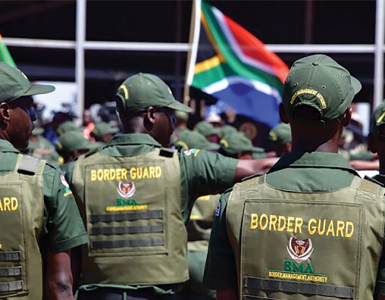
March organisers defended their stance, arguing that undocumented migration fuels crime and economic exclusion. They called for stricter border control, audits of immigrants, and policies reserving township businesses for South Africans.
A memorandum delivered at the Union Buildings demanded sweeping changes, including the deployment of the army in areas with high numbers of immigrants such as Hillbrow and Sunnyside.
Deputy Minister in the Presidency Nonceba Mhlauli accepted the memorandum, acknowledging that undocumented migration is a “legitimate concern” while pointing to ongoing efforts to strengthen border security and reform immigration laws.
The protests come against a backdrop of growing anti-immigrant sentiment across the country. In a recent Freedom Day address, President Cyril Ramaphosa warned against xenophobia, stressing that concerns over migration must not descend into violence. Similarly, António Guterres has condemned xenophobic attacks in South Africa as “criminal acts” driven by individuals exploiting socio-economic tensions.
What’s clear is that the issue is no longer contained to policy debates — it is playing out on the streets. And, unless the government moves decisively on both immigration control and economic opportunity, these flashpoints are likely to intensify. – GroundUp