
 WeeklySA_Admin
CHRONIC: Millions of people struggle with poor sleep, often dismissing fatigue as stress or a busy lifestyle. But experts warn that persistent sleep problems may signal underlying health conditions such as sleep apnea — and left untreated, they can have serious consequences for overall health and wellbeing…
By Own Correspondent
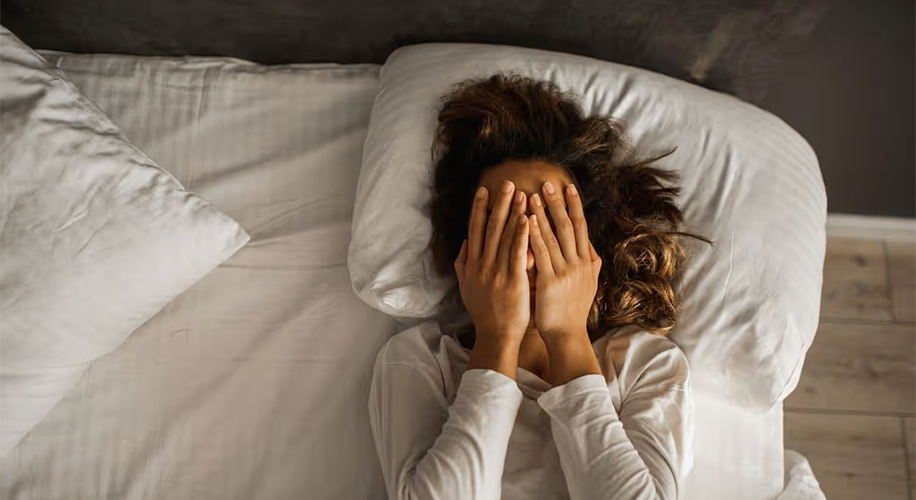
Few experiences are as frustrating as lying awake at night, staring at the ceiling and willing yourself to fall asleep.
While many people blame stress, long working hours or an overactive mind for their restless nights, sleep specialists say chronic sleep problems can often be traced to underlying medical conditions.
Experts are urging people not to ignore persistent exhaustion, particularly when it begins to affect daily functioning, relationships or overall wellbeing.
If your sleep is negatively affecting your day-to-day functioning, you should come in and get evaluated. Patients who have significant daytime sleepiness tend to have worse health outcomes…
Dr Matthew Floyd, a sleep medicine physician at the Penn State Health Sleep Research and Treatment Centre, says excessive daytime sleepiness should never be dismissed as normal.
“If your sleep is negatively affecting your day-to-day functioning, you should come in and get evaluated,”
Floyd says, noting that bed partners are often the first to notice symptoms such as loud snoring or irregular breathing during sleep.
Breathing problems
One of the most common sleep disorders is obstructive sleep apnea (OSA), a condition in which a person’s airway repeatedly becomes blocked during sleep. These interruptions deprive the brain of oxygen and trigger repeated awakenings throughout the night, often without the sufferer realising it.
Dr Neerav Goyal, Division Chief of Head and Neck Oncology and Surgery at Penn State Health College of Medicine, explains that OSA often occurs when tissues in the throat relax and narrow the airway during sleep. Sleeping on one’s back can worsen the condition, while obesity and acid reflux are also recognised risk factors.
Treatment options vary depending on severity. Mild cases may improve through simple interventions such as positional therapy or wedge pillows that encourage side sleeping. Oral appliances that reposition the jaw or tongue can assist moderate cases, while more severe cases are commonly treated using continuous positive airway pressure (CPAP) machines.
Although highly effective, CPAP machines are not tolerated by everyone.“CPAP machines are cumbersome and can make some people claustrophobic,” Goyal says, adding that a significant proportion of patients fail to use them consistently. For patients unable to tolerate CPAP therapy, advances in surgical treatment are offering new alternatives.
One of the most promising developments involves neuromodulation devices that stimulate nerves controlling tongue movement during sleep. The recently approved Genio device joins existing technologies such as Inspire therapy in helping to keep airways open without removing tissue from the throat.
According to Goyal, these newer procedures not only reduce recovery time and discomfort but also deliver significantly better outcomes than many traditional surgical interventions.
Beyond sleep apnea
Sleep apnea is only one of several disorders that can rob people of restorative sleep. Others include restless leg syndrome, sleepwalking and chronic insomnia, which is defined as difficulty falling asleep or staying asleep for at least three months.
Many people suffering from chronic insomnia are finding relief through Cognitive Behavioural Therapy for Insomnia (CBTI), a structured programme designed to address behaviours, thoughts and habits that contribute to sleeplessness.
The therapy combines mindfulness techniques, cognitive strategies and behavioural changes aimed at rebuilding healthy sleep patterns. Floyd says approximately half of patients who complete the programme report significant improvement.
Five Expert Tips for Better Sleep
Even for people without diagnosed sleep disorders, healthy habits can make a substantial difference. Floyd recommends the following:
• Create the right environment: Keep bedrooms dark, quiet and cool, ideally between 16°C and 20°C. Avoid screens for at least 30 to 60 minutes before bedtime.
• Maintain a consistent schedule: Try to keep sleep and wake times within an hour of your normal routine, even on weekends.
• Reduce alcohol consumption: Alcohol can worsen sleep quality and increase sleep apnoea episodes.
• Avoid late caffeine and heavy meals: Limit caffeine later in the day and stop eating about three hours before bedtime.
• Get out of bed if you can’t sleep: Instead of lying awake, spend 15 to 20 minutes doing a calming activity such as reading before trying again.
For many people, better sleep begins with small lifestyle changes. But experts stress that ongoing fatigue, loud snoring or disrupted sleep should not be ignored. Seeking professional help early may not only improve sleep quality, but also protect long-term health and quality of life. – Newswise