

 WeeklySA_Admin
INSPIRATION: As South Africa marks the 50th anniversary of the Soweto Uprising, the return of Sarafina! to cinemas rekindles the courage, sacrifice and resilience of the youth who helped change the course of the nation’s history…
By Phumela Ngomane
As South Africa marks the 50th anniversary of the 1976 Soweto Uprising, the nation pauses to honour a generation of young people whose courage helped change the course of history.
Their resistance to apartheid’s oppressive education policies became a defining moment in the struggle for freedom and equality, leaving a legacy that continues to inspire generations.
On June 16 1976, thousands of schoolchildren took to the streets in protest against the imposition of Afrikaans as a medium of instruction in black schools. What began as a peaceful demonstration was met with brutal force.
Many young people paid the ultimate price, sacrificing their lives in pursuit of a better education and a more just South Africa.
Five decades later, their story remains as relevant as ever, finding renewed life through the return of Sarafina! to South African cinemas during this Golden Jubilee year.
“To see this story in 2026, 50 years later, reminds us that the sacrifice of the youth of 1976 should never be forgotten.”
— Leleti Khumalo
Originally created by the late Mbongeni Ngema, Sarafina! became far more than a stage production and film. It evolved into a cultural landmark that captured the spirit, defiance and aspirations of the youth of 1976.
Through music, dance and powerful storytelling, the production introduced global audiences to the realities of apartheid while celebrating the resilience of South Africa’s young freedom fighters.
Speaking to Blazon Magazine, acclaimed actress Leleti Khumalo reflected on the emotional significance of the film’s return.
“The return of Sarafina! to cinemas during the Golden Jubilee is deeply emotional and deeply symbolic,” she said. “When I first performed Sarafina! on stage and later brought it to film, we were telling the story of the fearless youth of 1976 — young people who stood against injustice with courage and dignity.

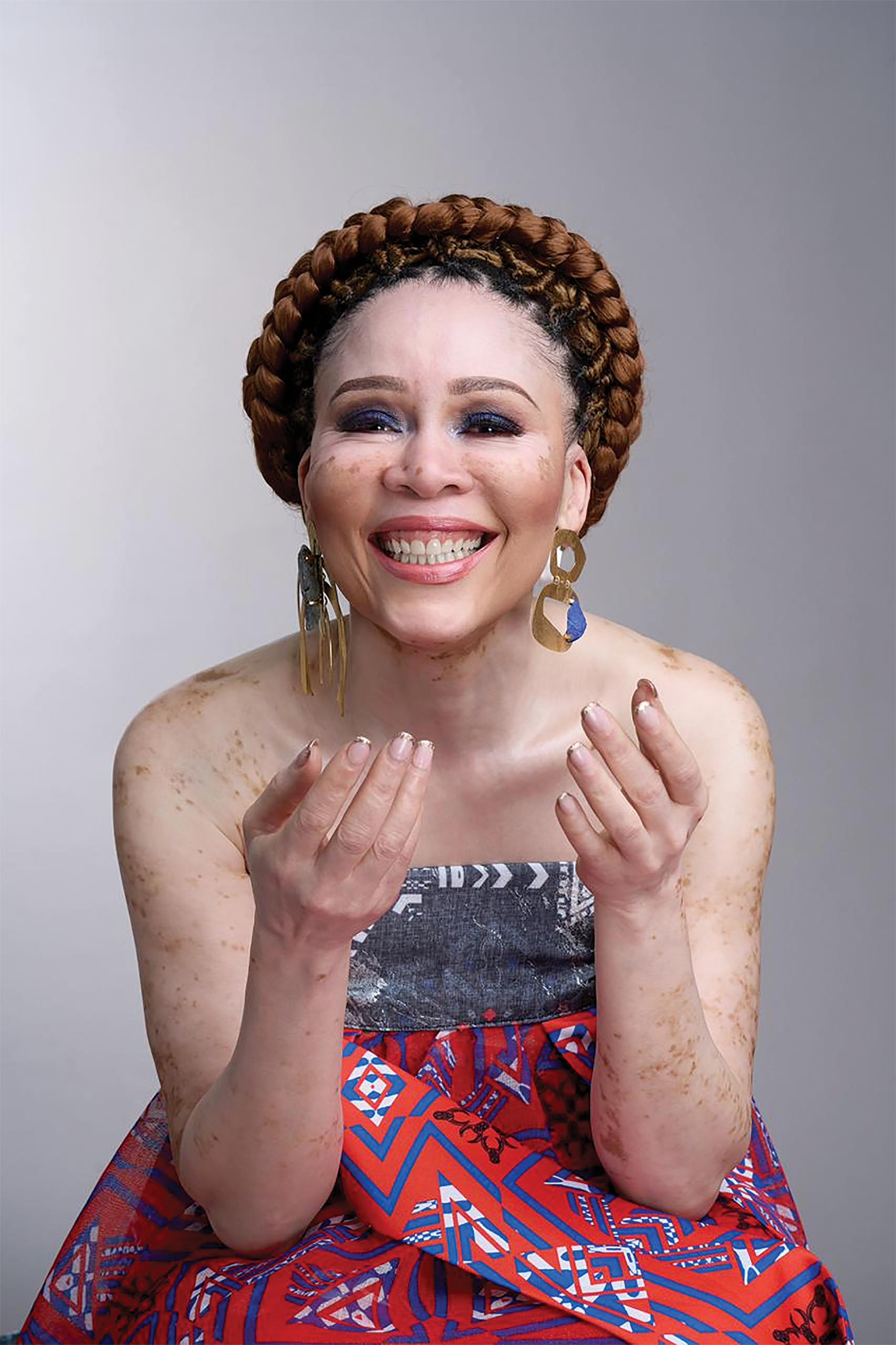
“To see this story in 2026, 50 years later, reminds us that their sacrifice should never be forgotten.”
For Khumalo, revisiting the film also revives memories of working alongside some of the most influential figures in South African and international entertainment.
“Revisiting the film brings back memories of working alongside legends such as Miriam Makeba, Whoopi Goldberg and Dr John Kani, who all understood the importance of preserving our history through art,” she said.
The enduring popularity of Sarafina! speaks to the timelessness of its message. According to Khumalo, the production continues to resonate because it is rooted in truth.
“The story reflects the courage of young people who refused to accept injustice. Even today, young people across the world continue to confront inequality, and Sarafina!reminds us that their voices matter and can shape history.”
Beyond its impact on audiences, the production profoundly shaped Khumalo’s own career.
“Sarafina! defined my artistic identity. It demanded emotional truth, discipline and political awareness. It opened global doors for me and for South Africa, but more importantly, it anchored me in storytelling that carries social responsibility.”
The film also provided invaluable lessons from industry veterans. Khumalo credits her experience working alongside Goldberg and Makeba with teaching her the importance of mentorship.
“Working with legends like Whoopi Goldberg and Miriam Makeba taught me how important it is to guide upcoming talent. This industry can be ruthless; it is often a case of survival of the fittest. New artists need experienced voices to help them avoid exploitation.”
Reflecting on the man behind the phenomenon, Khumalo spoke with admiration about the late Ngema.
“Dr Mbongeni Ngema was a giant of creativity. We will never have another one like him.”
As South Africa commemorates 50 years since the Soweto Uprising, Sarafina! remains more than a film. It is a powerful reminder of the extraordinary courage displayed by ordinary young people who dared to challenge an unjust system.
Their struggle secured opportunities that many South Africans enjoy today, while their sacrifice continues to challenge future generations to protect, improve and expand access to quality education.
The youth of 1976 did not fight only for themselves. They fought for every child who would come after them. Fifty years later, their voices continue to echo through classrooms, communities and cultural landmarks such as Sarafina!, ensuring that their story — and their dream of a better South Africa — will never be forgotten.