 WeeklySA_Admin
SURGE: With diabetes currently South Africa’s leading underlying natural cause of death, claiming nearly 29 000 lives in 2024, a national campaign demands earlier diagnosis, reliable treatment and screening before devastating complications take hold…
By Len Maseko
Diabetes Alliance South Africa has called for urgent national action to confront a disease claiming nearly 79 lives a day, warning that earlier diagnosis and accessible treatment are essential to preventing avoidable deaths and disability.
Launched at Constitution Hill in Johannesburg on November 12, the Alliance’s campaign puts prevention, uninterrupted care and early detection of complications at the centre of the response to what it describes as a national crisis.
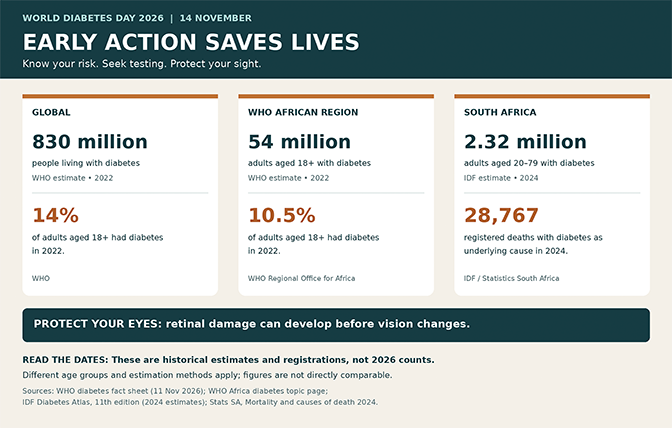
The appeal comes as Statistics South Africa recorded 28 767 deaths with diabetes as the underlying cause in 2024 — approximately 79 a day. The disease has ranked as the country’s leading underlying natural cause of death for three consecutive years.
The International Diabetes Federation estimates that more than 2.3 million South Africans aged 20 to 79 were living with diabetes in 2024.
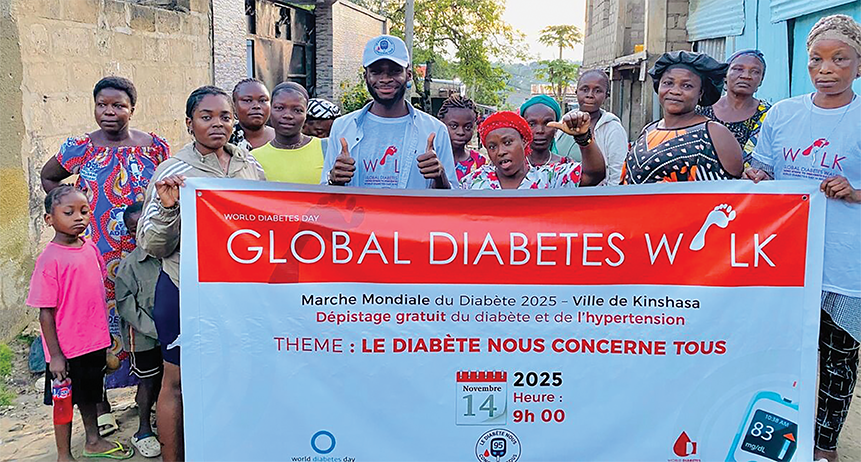
Ahead of World Diabetes Day on November 14, the theme “Early Action on Diabetes” carries an urgent message: find the disease sooner and protect patients before complications threaten their sight, kidneys, limbs and lives.
Health Minister Dr Aaron Motsoaledi reinforced that message at the national commemoration at Tshwelopele (Esqongweni) Sports Ground in Tembisa, Ekurhuleni, yesterday.
He urged the public to take proactive steps to prevent and manage diabetes, stressing that prevention, early detection and effective treatment could reduce complications, improve quality of life and ease pressure on families and the healthcare system.The programme offered integrated services, including diabetes and hypertension screening, foot care, HIV testing and wellness activities.
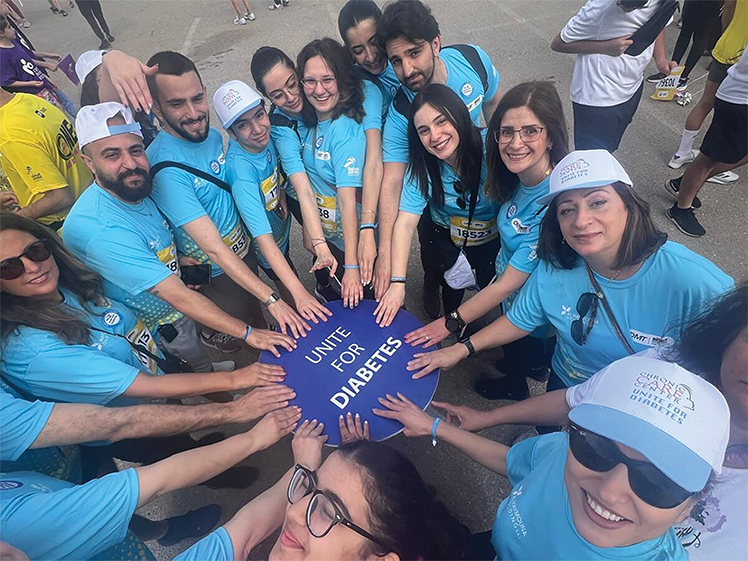
Under the message “Act Early. Act Together. Act Now”, the Alliance’s campaign brings communities, people living with diabetes, health professionals, civil society and government into a coordinated response.
Its Constitution Hill programme combined screening and health education with community experiences and an accountability framework linked to the Johannesburg Declaration on Diabetes. The campaign connects access to care with dignity, equality and constitutional rights — including reliable medicines, insulin, monitoring and protection from financial hardship.
A global emergency
The World Health Organisation (WHO) reports that the number of people living with diabetes worldwide rose from 200 million in 1990 to 830 million in 2022. About 14% of adults aged 18 and older had diabetes in 2022, double the proportion in 1990. Treatment gaps remain substantial: 59% of adults aged 30 and older living with diabetes were not taking diabetes medication in 2022. Diabetes and kidney disease caused by diabetes together accounted for approximately 2.4 million deaths globally in 2023.
In the WHO African Region, an estimated 54 million adults aged 18 and older were living with diabetes in 2022, compared with 12 million in 1990. Adult prevalence reached 10.5%, while more than half of those affected were unaware of their condition.
Silent threat to eyesight
For eye specialists, early action means examining patients before they notice anything wrong.
The Ophthalmological Society of South Africa (OSSA) wants retinal screening built into routine diabetes care, alongside blood sugar, blood pressure and kidney checks.
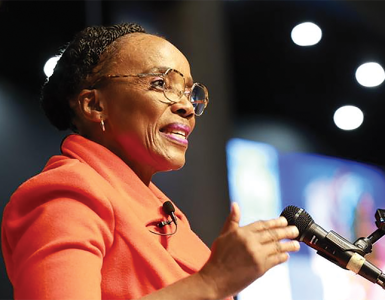
OSSA executive committee member Dr Johann Lamprecht describes diabetes as “a silent thief of eyesight”. Diabetic retinopathy damages blood vessels in the retina, the light-sensitive tissue at the back of the eye, and can develop without pain or obvious changes in vision.
“In diabetic retinopathy, time is sight,” Lamprecht said.
“We encourage people with diabetes to start having retinal examinations as soon as they are diagnosed and while they can still see well, as diabetic eye disease can silently damage vision before symptoms appear.”
He warned that the damage could be permanent or only partly reversible.
“By the time vision is affected, it may be too late to save it.”
The consequences extend beyond eyesight. Losing vision can undermine a person’s ability to work, travel independently, shop, read labels or recognise familiar faces.“Protecting sight protects jobs, families and dignity,” Lamprecht said.
Know your retina score
OSSA encourages patients to ask for their retinopathy grade — which Lamprecht calls their “retina score” — and track it alongside their blood sugar and blood pressure.
People with type 2 diabetes should have a retinal examination at diagnosis, because damage may already be present, followed by examinations at intervals advised by their eye-care professional.
For people with type 1 diabetes, screening schedules depend on age, disease duration and clinical circumstances. Women with existing diabetes who are planning a pregnancy or are pregnant need particular attention.
Lamprecht also called for AI-assisted retinal photography to extend screening to communities with limited access to specialists. “AI does not replace your eye-care professional, but it does enable a GP, nurse or optometrist with a camera to screen many more people, faster, and refer those at risk for treatment sooner,” he said.
Treatment for advanced retinopathy may include injections into the eye, laser therapy or surgery. Managing blood sugar and blood pressure remains essential throughout care.
For the wider public, warning signs of diabetes include persistent thirst, frequent urination, unexplained weight loss, tiredness and blurred vision. However, type 2 diabetes can develop with few noticeable symptoms, making testing particularly important for people at increased risk.
For those already diagnosed, the call is clear: maintain treatment, attend follow-up appointments and arrange retinal screening before vision deteriorates.