 WeeklySA_Admin
DUTY: South Africa’s beer industry has warned that proposed changes to the country’s alcohol excise policy could increase taxes on most beers by 20%, driving consumers towards cheaper illicit alcohol, threatening jobs and reducing government revenue…
By WSAM ReporterThe Beer Association of South Africa (BASA) has cautioned that National Treasury’s proposed overhaul of alcohol excise policy could result in a 20% increase in excise tax on most beers sold in the country, with unintended consequences for consumers, businesses and the fiscus.
Addressing Treasury’s ongoing review of alcohol taxation, BASA interim chief executive Nirishi Trikamjee said the industry supports efforts to reduce alcohol-related harm but believes the proposed tax structure could undermine those very objectives by expanding South Africa’s illicit alcohol market.
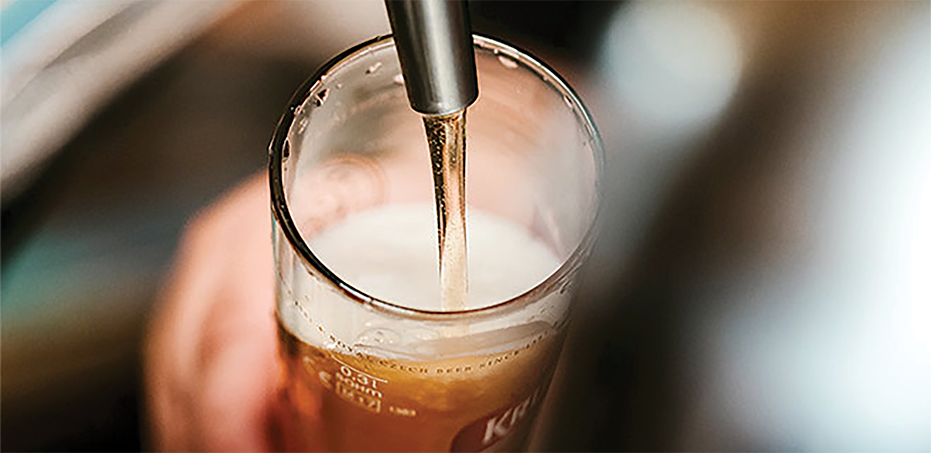
Under the proposal, beer containing between 2.5% and 9% alcohol by volume would be taxed at 1.2 times the current excise rate. BASA says this category includes the overwhelming majority of beers sold in South Africa, meaning consumers would effectively face a 20% excise increase.
Trikamjee said excise policy extends beyond the price consumers pay at the till.
“It influences consumer behaviour, investment, employment, government revenue and the sustainability of an industry that supports thousands of livelihoods across South Africa,” she said.

DIALOGUE: Nirishi Trikamjee, Interim CEO, Beer Association of South Africa (BASA)
While acknowledging Treasury’s responsibility to balance revenue collection with broader public policy goals, BASA argues that higher taxes alone will not significantly reduce alcohol abuse.
Instead, the association believes many consumers, already struggling with rising food prices, fuel costs, electricity tariffs and interest rates, are likely to switch to cheaper illegal alcohol rather than reduce consumption.
The industry points to the experience during the Covid-19 alcohol bans, when illicit trade expanded rapidly as consumers sought alternative sources of alcohol.
According to BASA, illegal alcohol products are typically around 37% cheaper than legally produced beverages and the illicit market has expanded by more than 55% over the past five years, outpacing growth in the regulated sector.
The association estimates that illicit alcohol cost the South African government R16.5 billion in lost tax revenue during 2024 through unpaid excise duties and taxes.
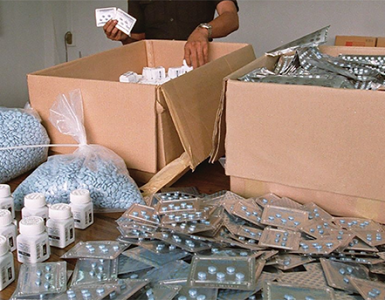
Beyond the fiscal losses, BASA warns that illicit alcohol poses additional risks because it is produced and sold outside regulated systems, bypassing quality standards, safety controls and consumer protections.
“As the price gap between legal and illegal products widens, more consumers are incentivised to move into the illicit market,” Trikamjee said.
She argued that while reducing alcohol-related harm remains a shared objective between government, industry and communities, excise policy should avoid creating incentives that strengthen criminal markets.
BASA has welcomed the opportunity to engage Treasury during the consultation process and says it hopes the review will result in a balanced excise framework that protects public health while preserving legitimate businesses, employment and government revenue.