 WeeklySA_Admin
REVOLT: A controversial proposal to sell a stake in the commercial rights to the FIFA World Cup has been abandoned after unprecedented backlash from football confederations, national associations and senior insiders, leaving Gianni Infantino facing renewed questions over his leadership…
By Nicholas Mwangi
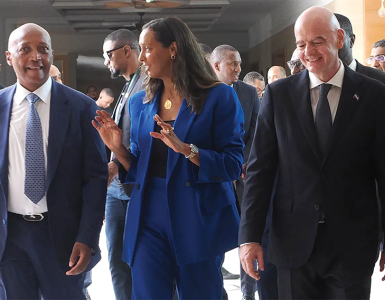
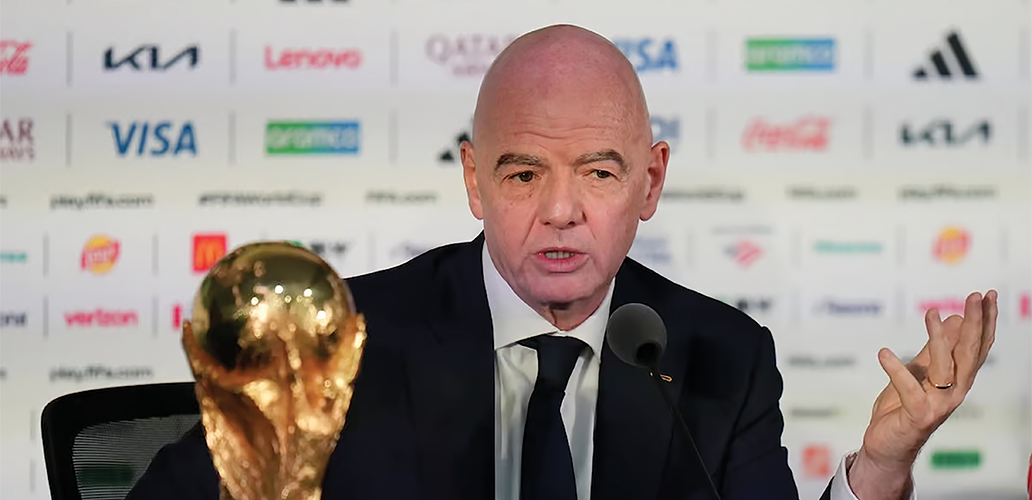
FIFA President Gianni Infantino has suffered one of the most significant political setbacks of his presidency after being forced to abandon plans to sell a minority stake in the commercial rights to the FIFA World Cup and other major tournaments.
This follows an extraordinary global backlash from football’s governing bodies, national associations and senior FIFA officials.
The now-withdrawn proposal centred on the creation of a new commercial subsidiary, FIFA Forward Enterprise (FFE), which would have consolidated the commercial and event management of FIFA competitions. Under the plan, FIFA would have retained overall control while selling up to a 20% stake in the company to private investors, a move expected to raise about US$4.2 billion to expand football development funding worldwide.
FIFA argued that the additional capital could dramatically increase funding for its 211 member associations, with each federation potentially receiving up to US$40 million through a combination of immediate grants and expanded FIFA Forward allocations over the coming funding cycles.
But what FIFA presented as an innovative financial model quickly became one of the governing body’s biggest governance crises.
The proposal sparked fierce opposition from UEFA, Concacaf and the Asian Football Confederation, all of which criticised both the substance of the proposal and the lack of consultation before it was unveiled. UEFA reportedly considered boycotting future FIFA competitions if the plan proceeded, while Concacaf described the episode as evidence of poor governance and a failure of leadership.
Critics argued that football’s most valuable competitions should never become investment vehicles for private equity interests.
The controversy intensified after The Guardian revealed that it had obtained a 25-page investment prospectus prepared for FIFA member associations. According to the report, the documents identified venture capitalist Joshua Kushner, brother of Jared Kushner, as the prospective purchaser of the proposed 20% stake.
The prospectus had reportedly been prepared by JPMorgan Chase, the same investment bank that advised the failed European Super League project in 2021.
The proposal emerged only weeks after the conclusion of the 2026 FIFA World Cup, a tournament already clouded by governance controversies. Among the most contentious was FIFA’s unprecedented decision to rescind a red card after United States President Donald Trump reportedly contacted Infantino, prompting widespread criticism over political interference in football governance.
As opposition mounted, divisions also emerged within FIFA itself.
Senior adviser Carlos Cordeiro resigned in protest, while FIFA Chief Operating Officer Kevin Lamour reportedly criticised the lack of transparency surrounding the proposal. The growing internal dissent added to mounting pressure on Infantino as football’s major confederations united against the plan.
Faced with overwhelming resistance, Infantino ultimately withdrew the proposal, saying unity within world football was more important than pursuing the restructuring. The dramatic reversal represents a rare political defeat for a FIFA president who has largely consolidated support among the organisation’s membership during his decade in office.
Although Infantino still enjoys broad backing from many member associations ahead of FIFA’s 2027 presidential election, analysts say the episode has significantly damaged his credibility and intensified calls for greater transparency and accountability within world football’s governing body. For many observers, the collapse of the FIFA Forward Enterprise proposal represents more than the failure of a commercial initiative. It has become a defining test of governance, demonstrating that football’s stakeholders remain unwilling to see the game’s most prestigious competitions treated as financial assets, regardless of the promised economic returns. – Breakthrough News/WSAM