 WeeklySA_Admin
FIZZ: Although South Africa toasted Cap Classique Day on September 1, the celebration need not end there. From its festive ritual and women-led history to Bonang Matheba’s home-grown luxury label, bubbly has become less a drink saved for special occasions than an invitation to make every day count…
By Len Maseko
The calendar may have moved beyond September 1 — the day South Africa raises a collective glass to Cap Classique — but bubbly has never been particularly interested in watching the clock.
Its appeal lies in its ability to make an ordinary moment feel memorable. The pop of a cork, the rush of bubbles, the fizz in a glass and the clink of a toast can transform an uneventful evening into a celebration. As the popular lifestyle saying goes: “Why wait for a special occasion? Champagne is the occasion.”
In South Africa, that sparkling philosophy has found its distinctive expression in Cap Classique, the country’s term for bottle-fermented sparkling wine. Produced using the traditional method, it has developed an identity and reputation shaped by local vineyards, winemaking skill and a growing culture of everyday celebration.
It is hardly surprising that bubbly has acquired such a strong following among women. The attraction encompasses history, ritual, image, friendship and the freedom to celebrate oneself without waiting for permission or a major milestone.
BUBBLES AND HISTORY
The romance between women and sparkling wine stretches back centuries.
Jeanne-Antoinette Poisson, better known as Madame de Pompadour, the influential companion of France’s King Louis XV, is widely credited with declaring: “Champagne is the only wine that leaves a woman looking beautiful after drinking it.”
Whether served at a royal banquet or shared around a table of friends, bubbly gradually became a symbol of elegance, indulgence and social occasion. It moved from royal courts and aristocratic dining rooms into weddings, graduations, brunches, birthdays, book clubs and girls’ nights.
Women were not merely consumers. Some played decisive roles in shaping the sparkling-wine industry.
Among the best known were widows who took charge of Champagne houses when women had few opportunities to control businesses. Barbe-Nicole Clicquot Ponsardin helped revolutionise production through the development of riddling, which removed sediment and produced a clearer wine. Louise Pommery, meanwhile, pioneered the dry Brut style that would influence modern tastes.
The history of bubbly is therefore also a history of women who entered male-dominated spaces, transformed the product and built enduring brands.
PSYCHOLOGY OF THE BOTTLE
The connection can begin before the cork is pulled.
A Washington State University-led study published in 2024 found that women were more inclined to consider buying wines whose labels carried feminine visual cues. Designs incorporating flowers, softer imagery or female figures produced more favourable expectations than labels featuring strongly masculine imagery.
Participants also anticipated enjoying the colour, aroma, flavour and aftertaste of femininely branded wines more, even before tasting them.
Packaging, however, only opens the conversation. When choosing a bubbly they already know, consumers are more likely to be guided by flavour, quality and previous experience.
Sparkling wines often offer bright fruit aromas, refreshing acidity and a lighter drinking experience. Depending on the blend and style, drinkers may encounter notes of citrus, apple, peach, berries, honey, vanilla or brioche.
Yet, the enduring seduction of bubbly is emotional as much as sensory. A bottle usually arrives carrying the promise of connection: good news shared, friendships renewed, achievements recognised or simply the decision to make the present moment special.
ENTER THE CAP CLASSIQUE QUEEN
Few South African personalities have understood that connection as successfully as Bonang Matheba.
Known affectionately as Queen B, Matheba has turned her public image as an entertainer and symbol of glamorous living into a formidable business platform. Her journey began when she entered the entertainment industry as a teenager.
She went on to become one of South Africa’s most recognisable television and radio personalities, presenting programmes such as LIVE and Top Billing, hosting major events and appearing on international platforms. These have included the MTV Europe Music Awards red carpet, Global Citizen Festival, TIME100 Impact Awards Africa and The Earthshot Prize.
The decisive shift in her career came when she moved beyond endorsing other companies’ products and began building an asset carrying her own vision.
The idea for House of BNG took shape in 2017. Rather than merely attaching her name to an existing label, Matheba wanted to create a luxury beverage rooted in South Africa.
Working with Cape Wine Master Jeff Grier, she spent two years developing the brand and its first Cap Classiques, involving herself in details ranging from the balance of sweetness to the character of the bubbles.
“This is my love letter to Africa,” she said of the project. House of BNG launched in March 2019 with a Brut and Brut Rosé. The range made an immediate impression and was soon poured at one of the country’s most prominent events: President Cyril Ramaphosa’s inauguration in May that year.
The breakthrough made Matheba the first female owner of a Cap Classique label to supply a South African presidential inauguration. She also became the first black woman admitted to the Cap Classique Producers Association.
For a woman who built her career in front of the camera, the brand announced something more substantial: Matheba was no longer simply the face of a lifestyle. She was becoming an owner within it.
BUILDING A BUBBLY EMPIRE
House of BNG has since expanded beyond its original Brut and Brut Rosé.
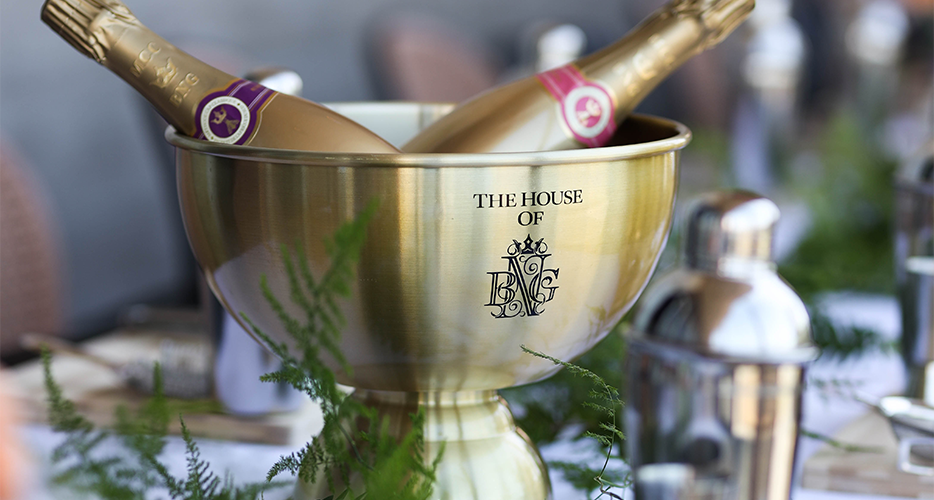
The portfolio grew to include a Prestige Reserve Cap Classique, unveiled at the 2020 Sun Met, as well as Nectar Blanc and Nectar Rosé sparkling wines in cans. A non-alcoholic Nectar Rosé widened the celebration to consumers who want the occasion without alcohol, while a brunch-inspired canned mimosa extended the brand into another lifestyle category.
It is a portfolio attempting to balance exclusivity with accessibility. There are bottles designed for prestigious celebrations, but also formats suited to brunches, picnics, intimate gatherings and spontaneous moments.
That approach reflects the founder’s philosophy: luxury need not be distant, intimidating or reserved for a narrow elite.
Matheba’s achievement is significant not simply because she is famous and owns a bubbly label. It represents the movement of black South African women from being targets of luxury marketing to becoming producers, decision-makers and owners in the luxury economy.
Her broader career reinforces that theme. Through the Bonang Matheba Foundation, she has helped hundreds of young women pursue university education, mentorship and empowerment opportunities.
EVERYDAY OCCASIONS
The old rules around bubbly are steadily disappearing. A bottle no longer needs to wait for a wedding, promotion or landmark birthday.
It can mark surviving a difficult week, reconnecting with a friend, completing a personal goal or simply spending time with people whose company matters.
Perhaps that is why bubbly retains its social magic. It encourages people to pause, gather and acknowledge the moment. Cap Classique Day gives South Africans an annual opportunity to appreciate the country’s sparkling-wine heritage, but its celebratory spirit can last throughout the year.
Bubbly has never been only about what is in the glass. It is about atmosphere, identity and permission to find joy in ordinary life.
And, as Matheba puts it, House of BNG is for “the woman who already knows she’s the occasion”.
That may be the real reason women remain drawn to bubbly. It does not merely accompany a celebration. Sometimes it reminds them that they are worth celebrating.
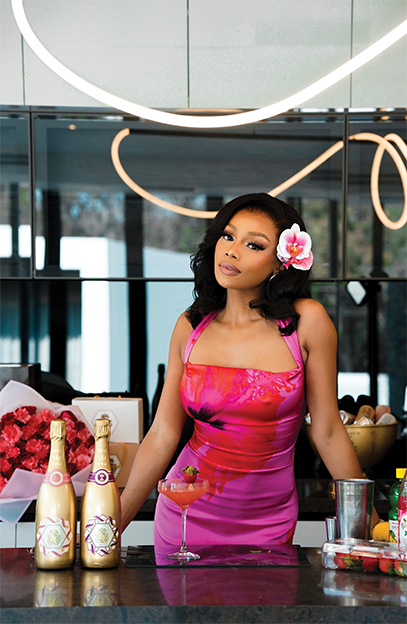
WIN WITH HOUSE OF BNG!
Here is your chance to add a little sparkle to your next celebration. Two lucky Weekly SA Mirror readers will each win two bottles from Bonang Matheba’s luxury bubbly label — one House of BNG Brut and one House of BNG Brut Rosé.
To enter, answer this question: In which year did Bonang Matheba launch House of BNG? Send your answer, full name and contact number to info@weeklysamirror.news by Tuesday (September 15 2026), using HOUSE OF BNG COMPETITION as the subject line. Entrants must be 18 years or older. Terms and conditions apply. Winners will be selected by random draw. Enjoy responsibly.