 WeeklySA_Admin
SCRAMBLE: The voters have delivered their verdict. They are asking for working taps, reliable electricity and clean streets. Themba Khumalo challenges coalition negotiators to put a service-delivery plan ahead of their scramble for positions and spoils…
By Themba Khumalo
The knives are out, and the vultures are already haggling over who eats first and who eats what. The carcass is on the table, and the scramble for chairs has ensued.
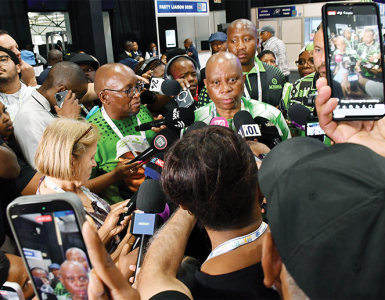
The horse-trading is on steroids, phones are hot, and the same sentence is being fed to the rest of us through every microphone: it is all for the good of the electorate. Parties with their snouts pointed at a municipal portfolio assure us, the ordinary voting lot, that they hold a mandate from us. Ah well. It is what it is.
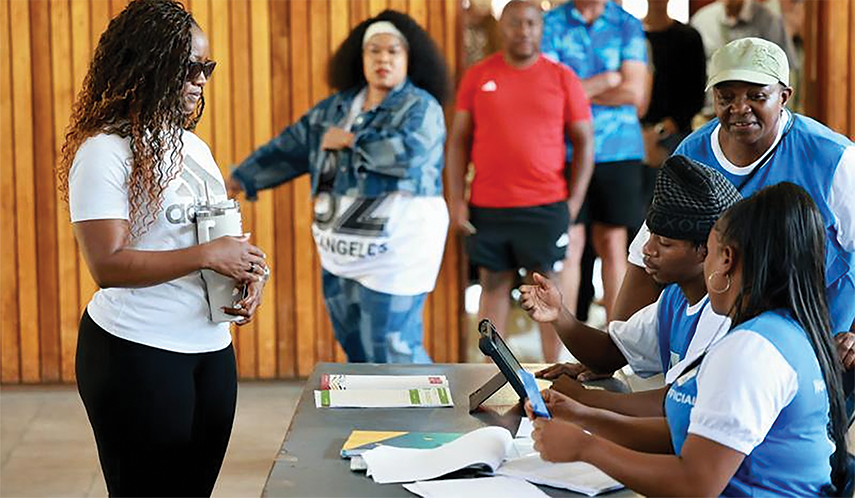
It is not what they say it is. Let us be precise about what we handed over on Wednesday 4 November. We stood in the sun, inked our thumbs and asked for one thing: municipalities that work. Taps that run. Lights that stay on. Roads without craters. Refuse collected before it becomes a monument. That was the entire instruction. There was no clause about mayoral chains, no footnote about mayoral committee positions, no small print granting anyone a blue-light convoy.
Somewhere between the ballot box and the negotiating table, “fix the city” was mugged, dragged into an alley and left for dead; “fix me up” walked out wearing its clothes.
A coalition governs a city. A feeding arrangement merely eats it…
Look at who is walking into those rooms. Most of them carry greed in one pocket and a grudge in the other. The greed is for the salary, the tenders, the allowances and the sirens.
The grudge belongs to the party that snubbed them last term, the rival who humiliated them on a podium, the old betrayal that must be avenged before a single pothole sees tar. The voter is a distant rumour, summoned for the press statement and forgotten by the second round of talks. Nobody in that room is praying for improved services. They are praying for a portfolio.
Our municipalities sit on rate bases, land, water infrastructure and billions in annual budgets, and still they cannot keep a pump station running. The engineers, planners and accountants who could fix them exist. The turnaround plans are gathering dust in council drawers.
What is missing is a political class with the backbone to park its rivalries long enough to run a city for five years, never mind one budget cycle. These negotiations will settle whether the people who came begging for our votes meant to run a municipality or merely to loot one.
Strip away the press statements and the negotiations come down to a single question: what is on the table? If the answer is a plan to stop the water going brown, get the buses moving, keep the lights on and put people to work, then perhaps the voters were heard after all. If the answer is a menu of mayoral committee positions, mayoral offices and departments with fat budgets, then we have been treated as an audience, and a gullible one.
Listen for the vocabulary. A party serious about governing talks about what the city needs and what it will cost. A party out shopping talks about what it is owed. You will know which is which within the first ten minutes, because only one of them asks who gets the car.
A coalition governs a city. A feeding arrangement merely eats it.
And the second kind has a short life. Build a government on egos and spoils, and it carries its own demolition order. The first serious clash over who controls what will bring it down, because nobody in it ever signed up to a shared purpose, only to a shared opportunity. The partners were always rivals, waiting for the moment the other side looked weak.
The wreckage will not land on them. They will walk away with their pensions, their grievances and a fresh set of talking points. It will land on us, in the water that runs brown, the streets that stay dark and the rates statement that arrives right on time for services that never did.
We have sat through this circus before. Mayors falling like skittles. Motions of no confidence tabled before the last one has been minuted. Budgets that cannot pass because somebody’s cousin lost a tender.
City managers who need a bodyguard and a lawyer before they need a desk. The ringmasters collect their salaries. The audience gets the invoice.
If any shame remains in those rooms, here is what they must do to spare us another season:
Sign a programme before they sign a seating plan. Agree on a written, costed service-delivery plan covering water, electricity, roads, waste and public transport, with deadlines, before a single position is mentioned. Anyone who raises a portfolio first has told you why they came.
Publish the agreement. The voters who supposedly issued the mandate are entitled to read what was signed in their name. A document that cannot survive daylight should not survive at all.
Allocate portfolios by competence, not by headcount. A party that wants finance must show it can read a balance sheet. Jobs go to those who can do them, not to those who shout loudest or threaten to walk out.
Keep politics out of the administration. Municipal managers and senior officials must be appointed on merit and due process. Cadre deployment and tender-friendly appointments are how a city is looted from the inside.
Agree on dispute resolution before the first dispute. Build a standing mechanism for disagreements, so a quarrel over a mayoral committee post does not become a motion of no confidence and a city without a government.
Set measurable targets and report on them. Quarterly public reports on service delivery, with consequences for any party whose portfolio fails. Failure should cost them something other than our patience.
Bind every partner to the budget. A coalition that cannot pass a budget has no business governing. Support for the budget and the programme must be a condition of holding office, not a bargaining chip to be waved when the mood turns.
None of this is complicated. It is merely inconvenient to those who came for the trough.
The voters did their part on 4 November. They hoped, once again, that this time would be different.
Whether it will be depends on whether the people they elected can do the one thing that requires no genius: put the city ahead of their own appetites. If they cannot, they should have the decency to say so, and make way for those who can.