 WeeklySA_Admin
TREND: A new World Health Organisation report warns that without urgent action, annual global cancer cases will almost double by 2050 – a disease that already claims nearly 10 million lives every year…
By Len Maseko
Cancer diagnoses worldwide are projected to rise to nearly 35 million a year by 2050 — with South Africa unlikely to escape the trend, where more than 111 000 people are already diagnosed annually and death toll of over 64 000.
The stark forecast comes in the WHO Global Status Report on Cancer 2026, released jointly with the International Agency for Research on Cancer (IARC), which paints a troubling picture of a disease that already claims almost 10 million lives every year – about 27 000 a day – while leaving millions more facing severe financial, emotional and social hardship.
The warning carries particular significance for South Africa, where cancer is placing an increasing burden on the country’s healthcare system.
Whether a person survives cancer should never depend on where they
were born or what they earn…
— WHO Director-GeneralDr Tedros Adhanom Ghebreyesus
According to IARC, more than 111 000 South Africans are diagnosed with cancer every year, while about 64 500 die from the disease. Nearly 282 000 people are living with a cancer diagnosis made within the previous five years, underlining the growing demand for long-term treatment, rehabilitation and support services.
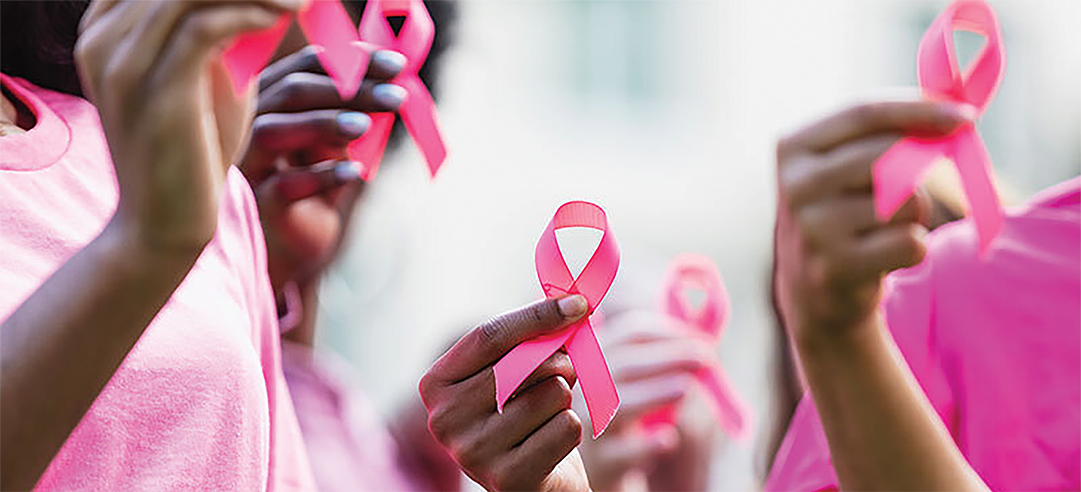
Breast cancer remains the country’s most commonly diagnosed cancer overall, while prostate cancer is the leading cancer among men. Cervical, lung and colorectal cancers also account for a significant share of illness and deaths.
The National Cancer Registry estimates that one in every seven South African men and one in every eight women will develop cancer during their lifetime. Yet many patients continue to face long waiting lists for diagnosis and treatment, particularly in the public health sector, where shortages of oncology specialists, radiotherapy equipment and medicines persist.
Cancer remains the world’s second leading cause of death after cardiovascular disease, accounting for an estimated 20.6 million new cases annually and claiming more than 26 000 lives every day.
While advances in prevention, screening and treatment have improved survival in many countries, WHO says progress remains deeply unequal and far too slow to keep pace with the growing global burden.
The report calls for a fundamental shift towards people-centred cancer care that places patients and their families at the centre of health systems rather than focusing solely on disease management.
“The inequities documented in this report are not inevitable; they are the consequence of choices, and they can be reversed through stronger and unified action,” said WHO Director-General Dr Tedros Adhanom Ghebreyesus.
He said no person’s chances of surviving cancer should depend on where they were born or how much they earned.
The disparities are stark.
While 87% of women diagnosed with breast cancer survive at least five years in high-income countries, survival drops to about 42% in low-income countries because of late diagnosis, shortages of specialists and limited access to life-saving medicines.
Fewer than one in three countries currently include comprehensive cancer care within universal health coverage, leaving many families exposed to catastrophic medical costs.
WHO’s first global survey of people affected by cancer also highlights the disease’s heavy social and economic impact. Nearly 45% of patients reported financial hardship, more than half experienced mental health challenges and almost every caregiver described significant emotional, financial or social strain.
The burden of cancer also differs sharply between regions.
Asia accounted for more than half of all global cancer cases and deaths in 2024 because of its large population, while Europe carried a disproportionately high burden, representing 21% of global cases despite having only about 9% of the world’s population.
Although cancer incidence remains lower across much of Africa, mortality rates are considerably higher because diagnosis often comes too late and access to treatment remains limited.
Lung cancer remains the world’s deadliest cancer. Among men, lung, prostate and colorectal cancers are the most common, while breast, lung and colorectal cancers dominate among women.
Importantly, WHO estimates that almost four in every 10 cancers are linked to preventable risk factors, including tobacco use, alcohol consumption, obesity, physical inactivity, unhealthy diets and infections such as HPV, hepatitis B and C, and Helicobacter pylori.
IARC Director Dr Elisabete Weiderpass said countries that have invested in prevention were already seeing results, particularly through tobacco control, vaccination and infection prevention programmes.
However, she warned that rising obesity, increasingly sedentary lifestyles, unhealthy diets and worsening air pollution were emerging as major drivers of future cancer cases.
“Cancer prevention must remain a political priority,” she said.
The report notes encouraging progress elsewhere. Tobacco use has declined by 27% since 2010, while more than 80% of countries now have national cancer control plans, compared with just half 15 years ago.
Cancer research is also accelerating, with registered clinical trials increasing by more than 7% annually between 2005 and 2021.
Yet, these gains are not translating into equitable care.
Essential cancer medicines remain scarce across much of the developing world, with availability of the 20 priority medicines ranging from 9% to 54% in low- and lower-middle-income countries compared with 68% to 94% in wealthier nations.
Cancer survivor and WHO survey lead Clarissa Schilstra said patients must play a greater role in shaping health policies.
“Cancer is not just a medical diagnosis. It profoundly affects every aspect of a person’s life and their family’s as well,” she said.
SA breast cancer study
The WHO is urging governments to strengthen universal health coverage, improve social protection for patients and families, and ensure that research and innovation are directed towards equitable access to cancer prevention, diagnosis and treatment.
The report’s findings are echoed by new South African research from the Department of Surgery at the University of Cape Town and Groote Schuur Hospital, which found deep systemic inequalities in breast cancer care across the country.
Published in the South African Medical Journal, the study analysed breast cancer surgical services at 43 public hospitals across all nine provinces. It found major shortages of specialist staff, surgical services and diagnostic capacity, with access to guideline-based care varying widely between provinces and healthcare facilities.
The researchers concluded that resource constraints and the uneven distribution of services continue to prevent many women from receiving timely, life-saving treatment.