 WeeklySA_Admin
VOLATILE: Government racing to contain mounting tensions as anti-illegal-immigration marches spread across South Africa, undocumented migrants face intensified crackdowns, and hundreds of foreign nationals begin leaving the country amid fears of escalating illegal violence…
By Yolisa Khumalo and Own Correspondents
South Africa is confronting one of its most volatile social and political challenges in years as growing public anger over illegal immigration collides with warnings against xenophobia, triggering government intervention, intensified law-enforcement operations and the voluntary departure of hundreds of foreign nationals.
From Johannesburg to Mbombela and Durban, anti-immigration protests have gathered momentum, driven by concerns over unemployment, crime, strained public services and allegations that undocumented migrants are competing with citizens for scarce economic opportunities. Protest movements have vowed to intensify pressure on the government unless decisive action is taken against illegal immigration.
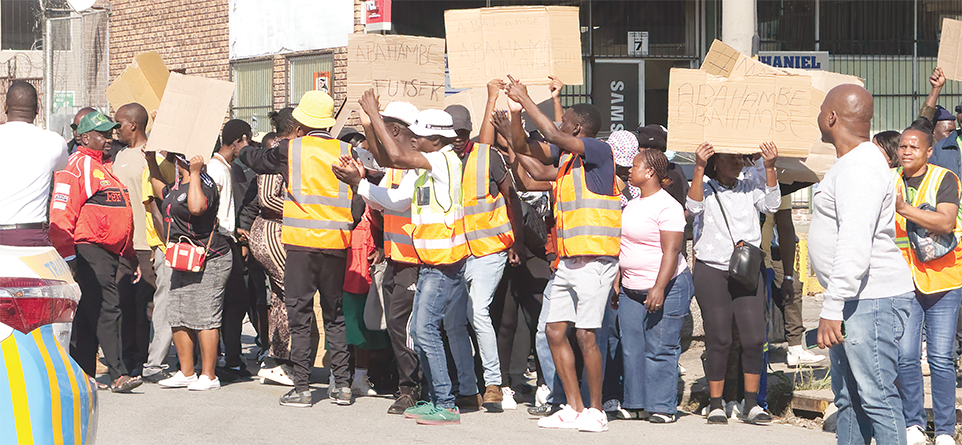
In Mbombela, scores of residents took to the streets today, to hand over a memorandum of demands to Mbombela Executive Mayor, Sibongile Makushe-Mazibuko, citing concerns over undocumented foreign nationals in the city. The march was part of a wave of anti-illegal immigration protests that have spread across South Africa this month.
Protesters called for stricter border control, audits of immigrants, and action against foreign-owned spaza shops.
Hundreds are leaving, thousands are protesting, and
government is caught between public anger over illegal
immigration and fears of another xenophobic flashpoint…
The peaceful march began at Anderson Street in the City of Mbombela and went through to downtown, bringing traffic and business to a standstill in the CBD. Most foreign-owned shops closed their doors as marchers moved through to the City of Mbombela municipal offices.
One of the organisers, Stoyi Malope, said residents had had enough of being sidelined. “Foreign nationals are granted permits to run spaza shops and liquor stores, but our people struggle to make a living in their own country. Enough is enough! We are tired, and action must be taken,” he said.
Scooter driver, Wanda Nkosi, shared Malope’s sentiments, saying most food delivery outlets employ more foreigners than locals. He was joined by other drivers who expressed their views.
“We decided to be part of this to show that we are in solidarity with those who are fighting for the rights of South Africans. We already have a high unemployment rate and we cannot allow outsiders to occupy the limited jobs on offer,” he said.
The memorandum was received by City of Mbombela Municipality’s MMC Khanyisa Mhlanga, who promised that the municipality would respond within seven working days.
The growing unrest prompted government ministers to convene an urgent high-level meeting this week involving security agencies, political parties and civil society organisations. Ministers acknowledged that illegal immigration remains a legitimate concern but warned that frustrations must not descend into violence or vigilantism. Government has now begun developing a national action plan aimed at addressing both illegal immigration and rising incidents over undocumented migrants.
At the same time, law-enforcement agencies have stepped up operations across the country. In Durban, a joint operation involving Metro Police, Home Affairs and other government departments resulted in the arrest of 23 undocumented foreign nationals and the closure of five non-compliant businesses as authorities sought to demonstrate that immigration laws are being enforced.
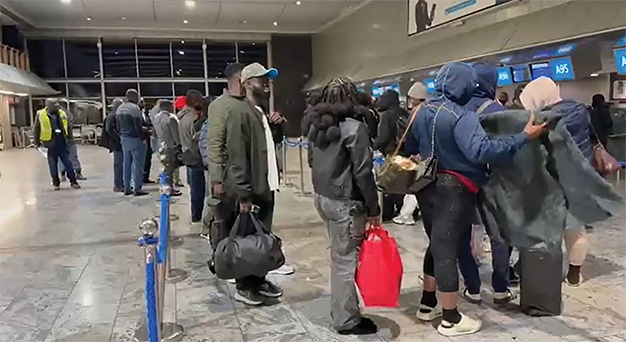
The consequences of the mounting tensions are already being felt beyond South Africa’s borders. This week, approximately 300 Ghanaian nationals departed from Johannesburg’s OR Tambo International Airport as part of a voluntary repatriation programme coordinated between South African and Ghanaian authorities.
South African immigration officials verified that only 10 out of the 300 Ghanaians who presented themselves had legal status in the country.
Officials say around 800 Ghanaian citizens have indicated a desire to return home, citing safety concerns amid rising anti-immigrant sentiment.
The departures have amplified concerns about South Africa’s reputation on the continent and revived painful memories of previous waves of xenophobic violence that attracted international condemnation. Yet the debate remains deeply contested. Protest organisers insist their campaign is directed solely at illegal immigration and not foreign nationals who are legally residing in the country. Many participants argue that the government has failed to protect jobs, regulate immigration effectively and secure the country’s borders.
Others warn that migrants are becoming convenient scapegoats for South Africa’s broader economic crisis. Speaking at a conference in Boksburg, EFF leader Julius Malema condemned what he termed “Afrophobia”, arguing that poor African migrants cannot be blamed for unemployment, inequality or failing public services.
With protest groups threatening nationwide action by the end of June, the government now faces a delicate balancing act: enforcing immigration laws while preventing the country from sliding into another cycle of conflict.
As economic hardship deepens and public frustrations intensify, South Africa finds itself confronting a difficult question: can it secure its borders and restore confidence in the immigration system without sacrificing the constitutional values and African solidarity that define its democracy? – Mpumalanga Mirror/WSAM/IOL