
 WeeklySA_Admin
OPPORTUNITIES: Former FIFA Council member Isha Johansen says growing interest in the women’s game must translate into stronger leagues, better facilities and more opportunities for players and coaches…
By WSAM Sports Reporter
Africa must turn the growing popularity of women’s football into sustained investment or risk losing more of its leading players to better-funded leagues abroad, former FIFA Council member Isha Johansen has warned.
Writing in an opinion piece distributed from Abidjan on October 19, Johansen called on governments, football authorities and private investors to build stronger domestic competitions and expand opportunities for women throughout the sport.
The former Confederation of African Football (CAF) executive committee member said the attention generated by the Women’s Africa Cup of Nations should provide a platform for lasting development. “For too long, women’s sports have been seen as charity projects or CSR boxes to tick; not real investments,” Johansen wrote.
She argued that increasing commercial interest should encourage African businesses and football administrators to treat the women’s game as an economic opportunity.
Citing a projection that global women’s sports revenues would reach at least $3 billion in 2026, Johansen said Africa’s commercial potential remained difficult to measure. Much of the continent’s funding still came from governments, sports associations and a limited pool of sponsors, while substantial broadcasting agreements and ticket revenues remained uncommon.
That dependence, she said, left women’s football vulnerable to short-term funding and made it harder for local clubs to retain talented players.
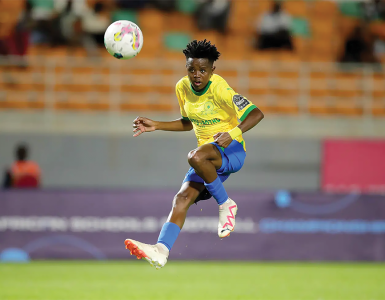
Johansen pointed to players moving to Europe and the United States, where stronger competitions offered better financial rewards, as a challenge requiring more sustainable investment at home.
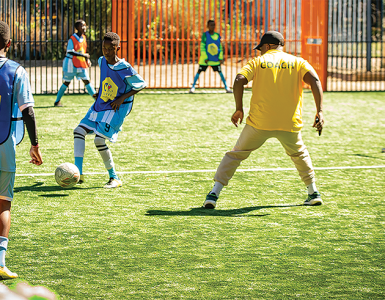
Her proposed response extends beyond improving players’ earnings. She called for better training grounds, durable infrastructure, grassroots development and greater access to coaching and administrative positions. Women remained underrepresented in sports leadership, she said, despite the achievements of coaches such as South Africa’s Desiree Ellis and Kenya’s Beldine Odemba.
Johansen identified mentorship as an essential part of widening access, arguing that experienced players, coaches and administrators could help young women navigate pathways into positions historically dominated by men.
Structured mentorship programmes, alongside investment in leadership training, would help ensure that progress reached beyond a handful of prominent figures.
She also urged private companies to explore opportunities in athlete-led content, streaming and direct engagement with supporters. Such approaches could help women’s football build audiences and develop additional income streams.
Johansen highlighted the work of Tibu Africa, an organisation using sport to create opportunities for young people, as an example of how partnerships could connect football development with broader community needs.
Governments, she argued, should encourage investment while ensuring fairness and transparency. Regional sporting bodies could strengthen development by coordinating standards, sharing resources and directing funding towards grassroots programmes.
The media also had a role in expanding the game’s reach, both through coverage and by creating more opportunities for women in broadcasting and production.
Johansen described TotalEnergies’ partnership with CAF as support that could strengthen the visibility of women’s football and contribute to opportunities for players and communities.
However, her central appeal was for the wider football economy to match growing public interest with lasting commitments.
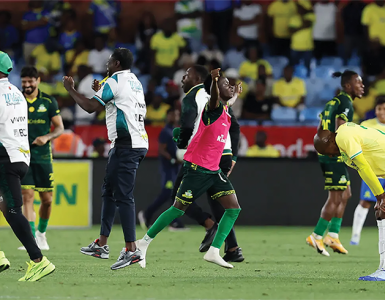
“This tournament is more than a trophy. It’s a test of whether Africa will build up its talent or watch it leave,” she wrote.