
 WeeklySA_Admin
ORDEAL: A 20-year-old rape survivor says she was forced to wait for emergency HIV-prevention medication at a Soweto clinic despite visible injuries and the treatment’s critical 72-hour window, exposing serious gaps in the healthcare system’s response to GBV cases…
By Lerato Kodisang
A 20-year-old rape survivor has described feeling abandoned by the healthcare system after waiting five hours for emergency HIV prevention medication at a Soweto clinic, despite arriving with visible injuries and only hours left to receive the life-saving treatment.
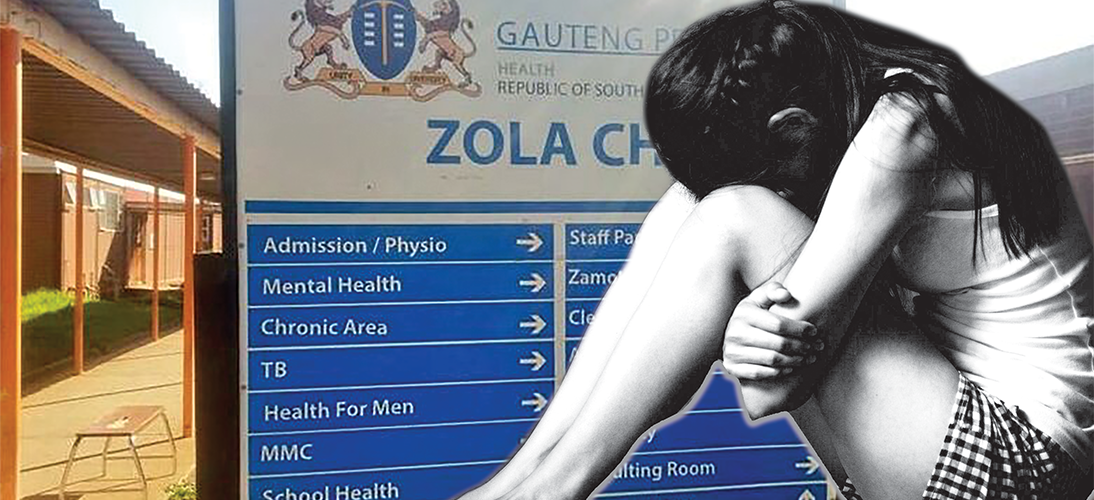
Mphonyana Mtamane arrived at Zola Clinic on May 27, three days after she was allegedly raped by her friend’s boyfriend. Bruised and emotionally traumatised, she sought post-exposure prophylaxis (PEP) — emergency medication that can prevent HIV infection if administered within 72 hours of possible exposure.
By the time she reached the clinic, the critical treatment window was fast closing.
“I arrived at Zola Clinic at 9am and only received help at 2pm,” Mtamane told Health-e News.
“My case was not treated as an emergency despite the visible scratches and bruises on my face. I was drained physically and emotionally. I just needed help and compassion.”
I was drained physically and emotionally.
I just needed help and compassion…
I concluded that no one cares…
She said she repeatedly explained to staff that she had been raped and urgently needed PEP, but was left waiting without assistance.
Relief finally came when a health promoter noticed her distress.
Concerned that Mtamane had been waiting for more than four hours, the health promoter intervened by approaching nurses and explaining the urgency of the case.
Recognising that time was running out, the health promoter took the unusual step of opening a patient file herself — a task outside her official responsibilities — so that Mtamane could be seen by a doctor.
“No one was willing to open a file for her,” the health promoter told Health-e News. “The administrator responsible for PEP, PrEP and family planning was away from the desk. When they returned, Mphonyana was simply told to sit down and wait. That’s when I decided to open the file.”
She said it was not the first time she had exceeded her official duties because of poor service delivery. “I always find myself going overboard to help these young people because of poor service at the facility,” she said.
Although Mtamane eventually received the medication, she says the care remained inadequate.
The doctor prescribed PEP without asking questions about the assault, and she was not referred for counselling, social work support or any gender-based violence victim empowerment services.
“I would have appreciated being referred to counselling or any GBV victim empowerment service at the facility,” she said.
The experience left her so disillusioned that she decided not to report the rape to police.
“I did not report the case to the police. I gave up after the treatment I got from the clinic. I just concluded that no one cares.”
The health promoter believes the young woman was let down by the healthcare system.
“She only received a shoulder to lean on from me and a few words of sympathy, which was nowhere near what she really needed,” she said.
Gender-based violence activist and community empowerment practitioner Chris Maseko said Mtamane’s experience reflects broader systemic failures rather than an isolated incident.
“South Africa has policies and laws requiring survivors to receive immediate, respectful and quality care,” he said.
“However, many healthcare facilities face systemic weaknesses and resource shortages that result in the secondary victimisation of GBV survivors at primary healthcare level.”
Maseko said an effective response to sexual violence requires close coordination between healthcare workers, forensic nurses, social workers, the South African Police Service and the National Prosecuting Authority.
“When parts of that system are missing or under-resourced, survivors fall through the cracks, their trauma is compounded, and their chances of obtaining justice are significantly reduced,” he said.
He called for continuous training, stronger supervision and greater accountability to improve services for survivors of gender-based violence.
For Mtamane, however, the experience has permanently eroded her trust in the healthcare facility.
She says she will never return to Zola Clinic. – Health-e News