
 WeeklySA_Admin
EXPENDITURE: From million-rand weddings to elaborate cultural ceremonies, South Africa’s celebrations fuel a R500 billion economy — strengthening social bonds and sustaining livelihoods while putting household budgets under pressure…
By WSAM Reporter
South Africans splurge on weddings, religious gatherings and cultural ceremonies, supporting a celebration economy to the tune of more than R500 billion a year, according to a new University of Cape Town study.
But, the study warns that a “party now, worry later” mindset is currently placing pressure on nationwide household budgets.
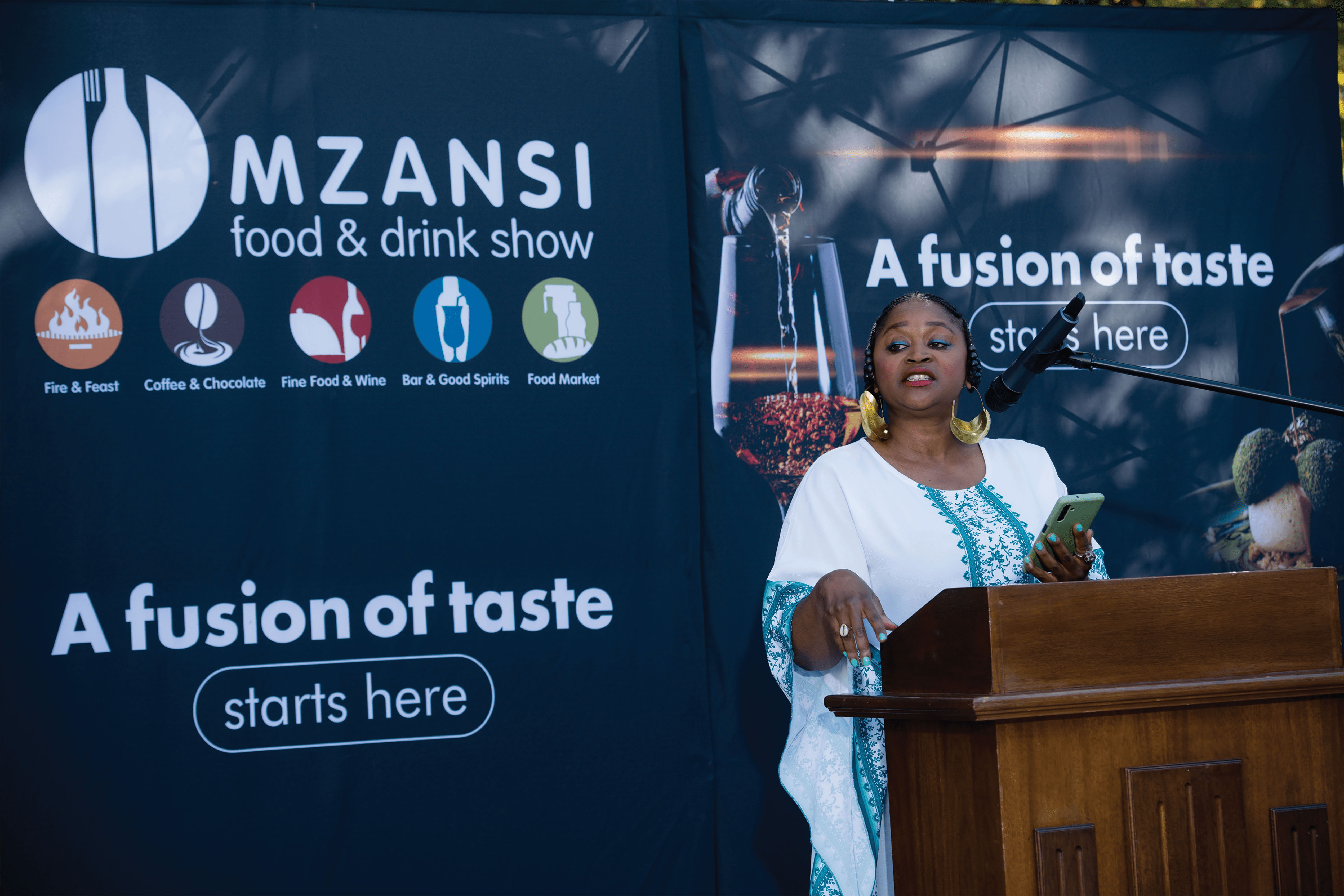
The study, The Celebrations Economy 2026, by UCT’s Liberty Institute of Strategic Marketing, explores the cultural and emotional forces behind spending on life’s milestones — and the opportunities this creates for businesses.
Launched at UCT’s School of Economics on October 2, the research found examples of wedding expenditure reaching R1 million, initiation homecoming ceremonies costing R70 000 and tombstone unveilings costing R140 000. These are examples of spending identified in the research, rather than average costs.
The study cites an estimated R5 billion economic contribution from the
Zion Christian Church’s Moria pilgrimage. Of this, R2.5 billion is attributed to the taxi and bus industries, R1.5 billion to food vendors and retail,
and R1 billion to church missions and local trade…
Beyond the price tags, the study found that celebrations fulfil a powerful social purpose. For many South Africans, they are regarded as a necessity that provides connection, recognition and inclusion.
“The study shows that South Africans continue to embrace celebrations, and it’s easy to see why,” said Paul Egan, managing consultant at the institute.
“Beyond being a significant economic driver, celebrations keep us connected, strengthen our relationships and provide a much-needed release from the pressures of everyday life.”
Egan said celebrations were also among the few occasions when people came together as equals and social hierarchies temporarily fell away.
The economic benefits extend across transport, food, retail and other services linked to gatherings.
“In a country dealing with high unemployment, the celebration economy has become an increasingly important source of economic development,” said Professor James Lappeman of UCT’s Liberty Institute.
The release cites an estimated R5 billion economic contribution from the Zion Christian Church’s Moria pilgrimage. Of this, R2.5 billion is attributed to the taxi and bus industries, R1.5 billion to food vendors and retail, and R1 billion to church missions and local trade.
A related study recorded about 9,000 weddings across the nine provinces during the 32 days between April 1 and May 2.
Gauteng accounted for the largest number, with 2,070, followed by the Western Cape with 1,970 and KwaZulu-Natal with 1,200. The Northern Cape recorded the fewest, at 360.
Separately, the Wonga Summer Spending Survey projects consumer expenditure of R289 billion during the festive season, according to the UCT release.
Tradition meets digital planning
The research covers a wide range of occasions, including birthdays, baby showers, baptisms, graduations, weddings, religious festivals and cultural ceremonies such as imbeleko, ukuthwasa, ulwaluko and intonjane.
It also examines how digital platforms have changed the way people organise gatherings, share information and find service providers.
“I don’t know how people planned parties before WhatsApp,” one respondent said.
Another described using Instagram to communicate where and when an event would take place, while a third explained how an Instagram recommendation helped the family find someone for an intonjane ceremony.
The study found that many celebrations have become bigger and more elaborate, with global trends influencing their style. Younger generations often bring more modern — and more expensive — expectations to these occasions.
Yet respondents generally judged an event’s success by guests’ enjoyment and the feelings it created.
Asked how they felt after their most recent celebration, 66.3% reported pure joy, 57.7% gratitude, 55.4% excitement and 41.9% a deep sense of connection. Some 16% reported a measure of stress.
More than a household expense
The findings suggest that understanding celebration spending requires businesses to look beyond consumers’ income brackets.
“The Celebration Economy challenges us to stop looking at consumers only through income and demographics,” said Dr Tumelo Chaka, chief marketing officer of United Stations and a speaker at the launch.
“To truly understand South Africa, we need to understand the rituals, emotions, relationships and cultural meanings that influence how people spend.”
For some participants, celebrations offered relief from difficult circumstances.
“In a country dealing with harsh realities, it’s a chance to escape,” was the sentiment expressed by one respondent, who emphasised the importance of celebrations to South Africans.
Marketing consultant Martin Neethling, a former chief marketing officer at PepsiCo Africa, said these gatherings reflected what people cared about and served a purpose deeper than their economic contribution.
He pointed to the COVID-19 experience as a reminder of life’s uncertainty and the need for human connection.
The study places that connection at the heart of South Africa’s celebration economy: gatherings sustain livelihoods and strengthen relationships, even as increasingly elaborate events place greater demands on household pockets.