WeeklySA_Admin
CRITICALLY ILL: Heath Streak’s career mirrors many of the unresolved tensions of race and class in Zimbabwe yet he remains an integral part of that tea-pot shaped country’s cricketing story and history
By Sports Reporter
Since news surfaced of the critical illness of Zimbabwean cricketing legend, Heath Streak, who is battling advanced cancer it is no surprise that the all-rounder’s health is eliciting such concern.
Streak, aged 49, made his one-day international (ODI) debut in November 1993 against South Africa and followed this up with a test debut the following month in a Zimbabwean tour of Pakistan. Zimbabwe had entered international cricket in 1992 and the early team featured batsmen Dave Houghton, Alistair Campbell, the Flower brothers (Andy and Grant) as well as all-rounder, Eddo Brandes.
A few years later, the leg spinning all rounder, Paul Strang (in 1994), and fast bowler Henry Olonga (in 1995) would also join the line-up. Some years after this, talents such as Murray Goodwin and Neil Johnson would also join the team; returnees to Zimbabwe having previously migrated to Australia and South Africa respectively.
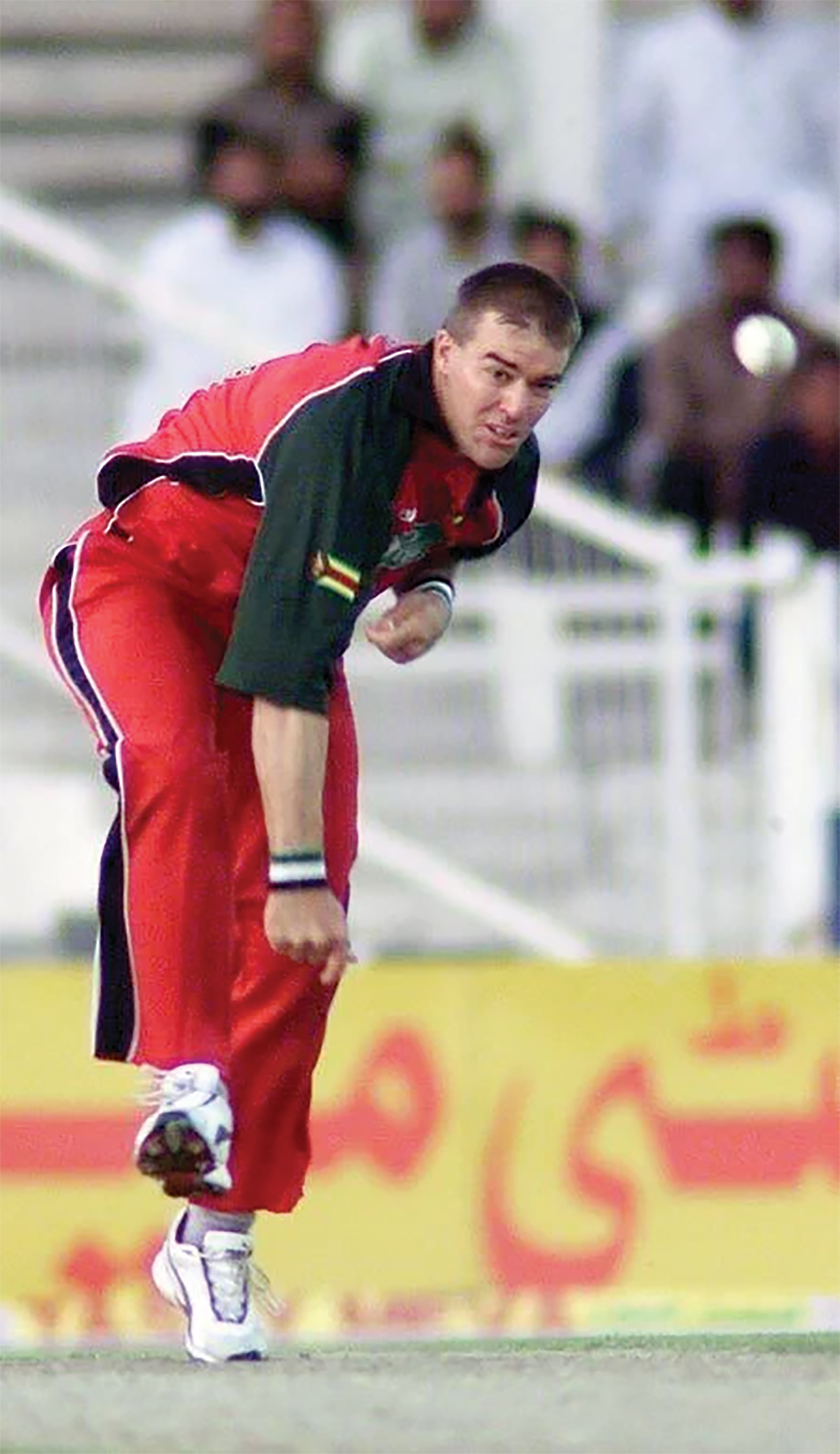
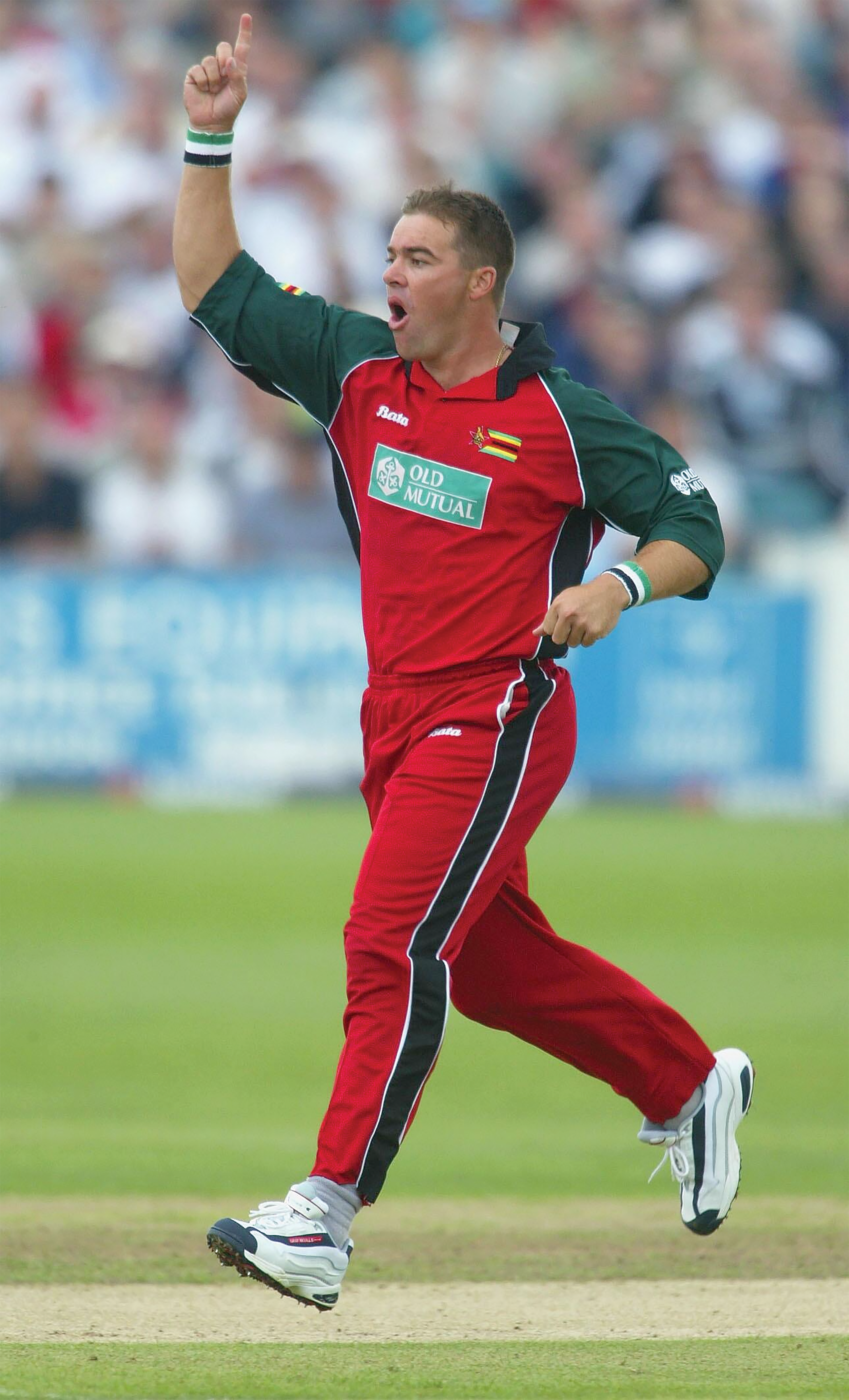
While Zimbabwean cricketing teams have boasted a fair number of all-rounders over the years, it is Streak who generally stands out among them. He remains Zimbabwe’s all-time leading wicket taker in both Test and ODI cricket with 216 and 239 wickets respectively, both at an average under 30 (28.14 in Tests and 29.82 in ODIs). He is also the only Zimbabwean to have completed the double of 1000 Test runs and 100 Test wickets, and 2000 ODI runs and 200 ODI wickets.
NDEBELE HERO
At the height of his talents, comparisons could be made between Streak and other equally exciting allrounders, such as South African Lance Klusener. In Zimbabwe’s famous 1999 Cricket World Cup win over South Africa, it was Klusener (largely credited with batting his team into the semi-finals of that tournament) who remained not out on 52. Chasing an achievable total of 233 (featuring highest scores by Johnson, Goodwin, and Andy Flower), Zimbabwe bowled out their famous rivals for a meager 185 runs.
An inspired Streak bowling spell had claimed the invaluable wickets of Mark Boucher and Jonty Rhodes, and the Rhodesia-born fast bowler Steve Elworthy. Later, in Streak’s time as head coach of the national team, Klusener would serve as batting coach for the Zimbabwean team.
Within the overwhelming whiteness of both African cricketing teams, Streak and Klusener particularly stood out in their sides for their fluency in local languages.
NDEBELE HERO
Zimbabwean cricket has become more of a national sport in recent years. But the composition of the earliest teams of those times rarely reflected the demographics of a black majority nation with most national players being white and generally coming from farming and private school backgrounds.
More than 70% of the Streaks’ family land was repossessed by the Zimbabwean government. Eventually, this would lead to a massive rupture in the relationship between core white players and indigenizing Zimbabwean cricket.
In 2000, Streak became the Zimbabwean team captain but resigned amid tensions with the Zimbabwe Cricket Union board over payments and proposed team quotas based on race. He returned to Zimbabwe’s captaincy in 2002 but faced criticism from the same quarters for not taking and making more political stances favorable to the board and government. It was during Streak’s captaincy at the 2003 Cricket World Cup that Olonga and Flower wore black armbands over their uniforms in silent protest over the worsening social and political conditions in the nation. Streak was again criticized for not taking strong enough measures against the protest. He was fired from the captaincy in 2004.
By 2004, many white players including the Flower brothers and Campbell had left the international fold. Streak retired from international cricket in 2005.
Streak returned to the national team, first as a bowling coach in 2009, and then as a supporting coach in 2010. Grant Flower and Campbell (and other former players) would also return to the team in administrative roles. In 2016, Streak became the national team coach. His tenure was shaky and saw Zimbabwe fail to qualify for the 2019 Cricket World Cup. Streak was forced to resign.
A few years later, in 2021, Streak became a figure of controversy after being banned from cricket for eight years by the International Cricket Council for his role in match fixing in various leagues, including the Indian Premier League. Streak accepted the ban but refuted the claims.
Streak’s career mirrors many of the unresolved tensions of race and class in Zimbabwe. Yet even within that, there remain few white Zimbabwean sporting figures able to stir interest and conversation across the nation’s many divides.
A statement from his family is that he is undergoing treatment under one of the most respected onco “He remains in good spirits and will continue to fight this disease in a similar vein to that which his opponents faced during his revered days on the cricket field.
“The family hopes that you understand and respect their wish for this to remain a private family matter, and thank you for your prayers and good wishes. There will be no further official statements regarding his health at this time. Any news that becomes public should be regarded as rumour.”
Streak, 49, played 65 Tests and 189 ODIs for Zimbabwe between 1993 and 2005.
The article is sourced from Africa Is a Country, a news site of opinion, analysis, and new writing on and from the African left.
Published on the 103rd Edition