 WeeklySA_Admin
SPOTLIGHT: Ties between the two countries remain steely strong despite historical and ideological shifts…
By Own Correspondent
South Africa’s hosting of a BRICS summit next week has turned a spotlight on ties between Pretoria and the Kremlin that are cosy and, for some, a puzzle. Moscow and South Africa’s African National Congress forged relations during the Cold War, when the Soviet Union backed the ANC’s fight against apartheid.
Those ties remain steely strong despite historical and ideological shifts that — logically — should have caused them to part company long ago.
In 1991, the Soviet Union collapsed, sowing the seeds for nationalism in its core member Russia under Vladimir Putin. In South Africa, though, the victory over apartheid brought in democracy and Africa’s most liberal constitution, bequeathing the ANC with a worldwide image as a liberator.
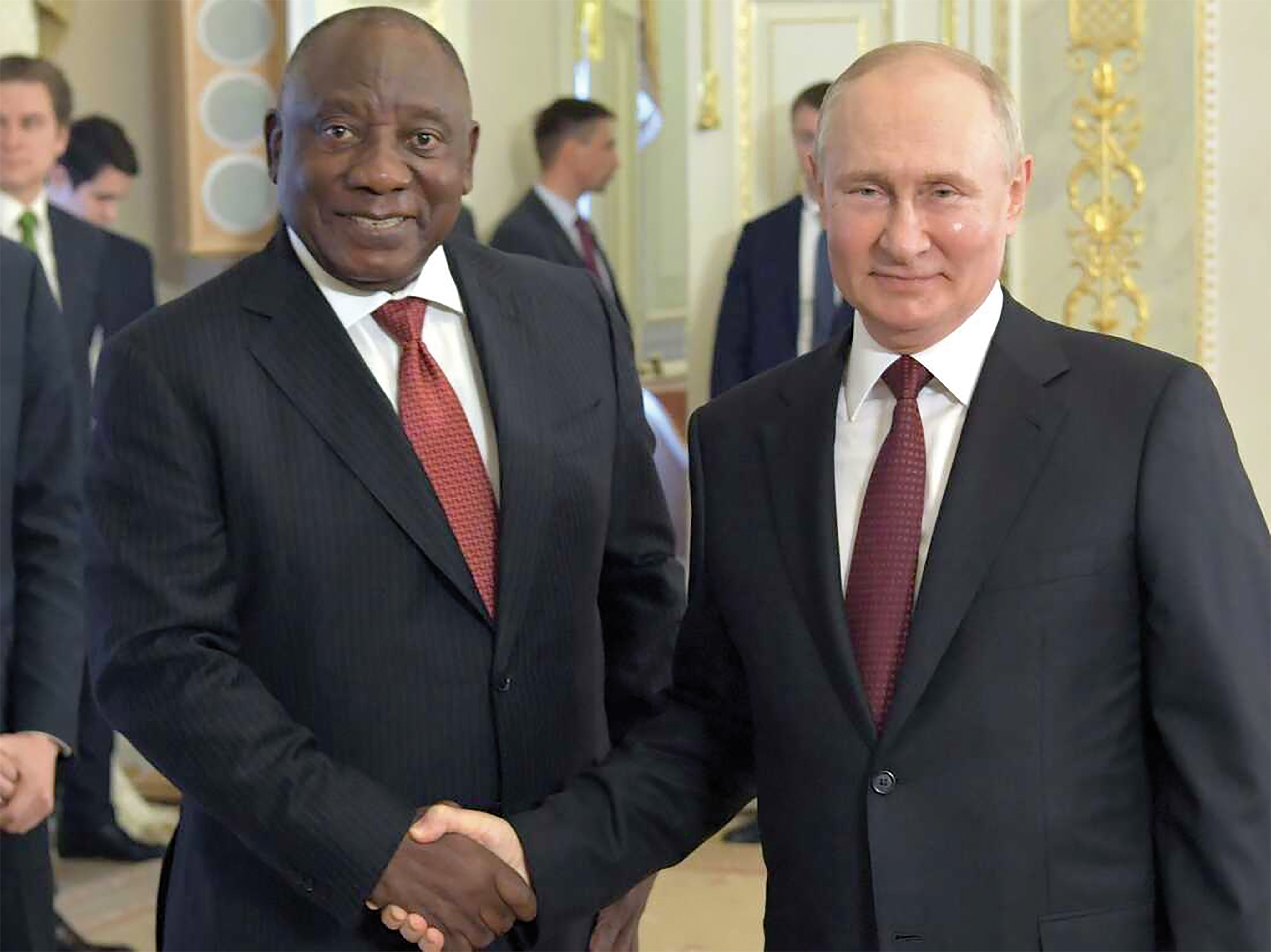 Analysts seeking to understand the odd-couple relationship suggest ideological cracks are cemented through historic and personal bonds — but there are likely to be less-stated needs on both sides, too.
“You could say their alliance is a friendship that was built on blood… and bullets,” said political analyst Sandile Swana. Politically, they make for “some strange bedfellows”, said Steven Gruzd, at the South African Institute of International Affairs (SAIIA).
The ANC-Kremlin relationship came under close scrutiny last year when Pretoria chose not to condemn Russia’s invasion of Ukraine — a stance that critics read as an implicit backing of Moscow.
Criticism flared anew as the August 22-24 summit in Johannesburg loomed of the five big emerging economies, Brazil, Russia, India, China and South Africa. Pressure mounted on South Africa to say it would arrest President Putin, who is sought by the International Criminal Court over the war.
Struggling to find the right response, President Cyril Ramaphosa struck an ambivalent stance before eventually announcing that Putin had decided not to attend.
In June, Ramaphosa led an African peace mission to Ukraine and Russia which while unsuccessful helped him to redress accusations of partiality.
The mission allowed for Ramaphosa and other African leaders “to speak directly to Ukrainian people” and evaluate the situation for themselves, said Dzvinka Kachur, of the Ukrainian Association of South Africa.
Economically it makes little sense for Pretoria to side with Moscow so visibly, say specialists. The US is South Africa’s second-largest trade partner after China, accounting for $4.2 billion in exports in the first half of 2023. Trade with Russia on the other hand is “very low,” to use the words of South Africa’s envoy to Moscow, with exports worth only R2,5 billion from January to June. Accusations that Pretoria secretly supplied weapons to the Kremlin spurred calls by some US lawmakers for Washington to kick it out of a major trade pact, to the worry of some businesses and opposition parties.
Political analyst William Gumede said it was time for Pretoria to realise that the union no longer served the country. It is based on an “emotional bond” that “we can’t afford,” he said. Putin sees South Africa in terms of strategic interest, noting its status in a continent that is increasingly a diplomatic battlefield between the major powers, say some analysts. But there is less consensus about why the ANC remains so interested in maintaining the close relationship with Putin. Some critics suggest that the party is adrift — despite the ideological disconnect, it turns to Moscow, its historic partner, for insights on its own future.
The ANC has been in power since the advent of democracy in 1994 but its once-stellar standing been mauled by allegations of corruption and mismanagement. It faces general elections next year that could see its vote drop below 50 percent.
“The ANC clearly sees something else in Putin’s Russia -– something aspirational,” Richard Poplak, a columnist at newspaper Daily Maverick wrote last month. “Russia is the beacon on the hill, a shining autocracy that lights the way to eternal governance.” Others suggest money is an issue. Last year the party received more than R15 million from a manganese mining firm linked to a US-sanctioned Russian tycoon to help fund a party conference. “The ANC is siding with Russia for one reason alone: because the Russian Federation is funding the ANC, and thus infiltrating and destabilising South African democracy,” opposition leader John Steenhuisen said in May.
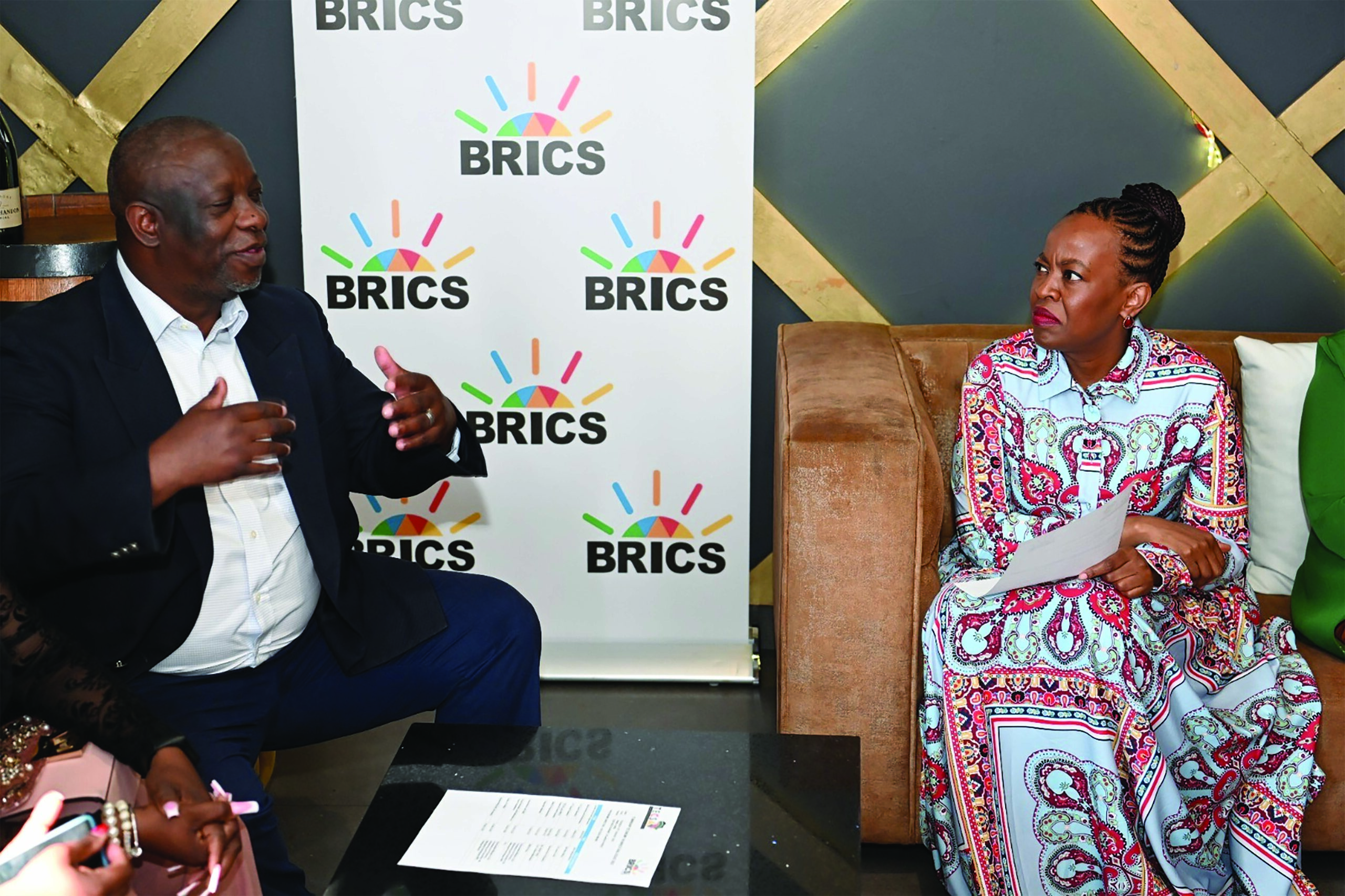
Such insinuations are angrily dismissed by the party. The party has also received donations from “American businesspeople,” said Tokologo Ngoasheng, an ANC official in Johannesburg, “It is only a problem when the Russians support the ANC,” he said. “It is unfair”. – Agence France-Presse
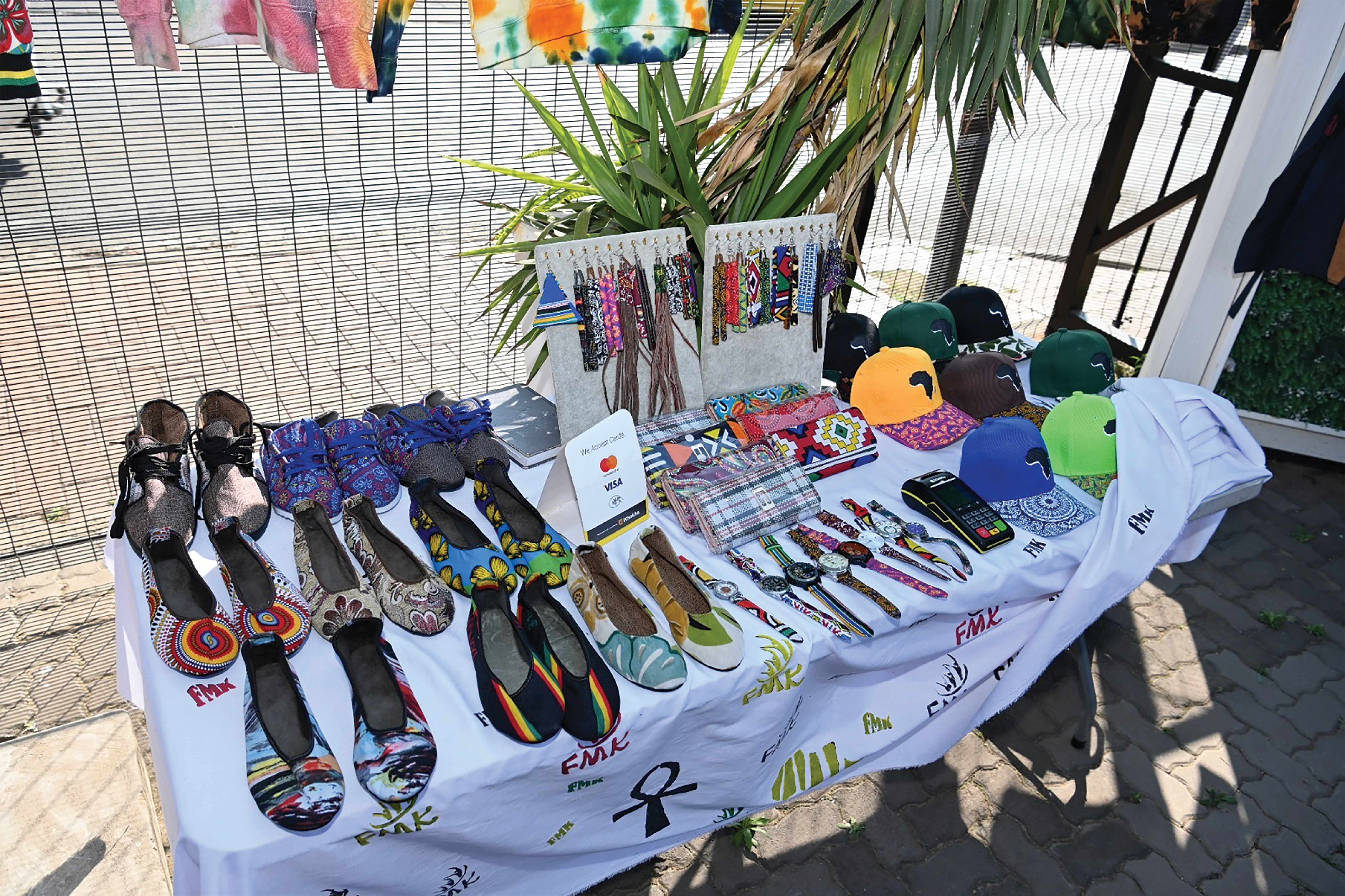
BRICS SUPPORT FOR TOWNSHIP ECONOMIES URGED
COLLABORATION: Joint ventures, investment partnerships, and knowledge-sharing initiatives can bring a transformative impact…
By WSAM Reporter
BRICS countries have been urged to continue to support and invest in the township economy in an effort to reshape the perception of townships, and foster a brighter and inclusive future for all.

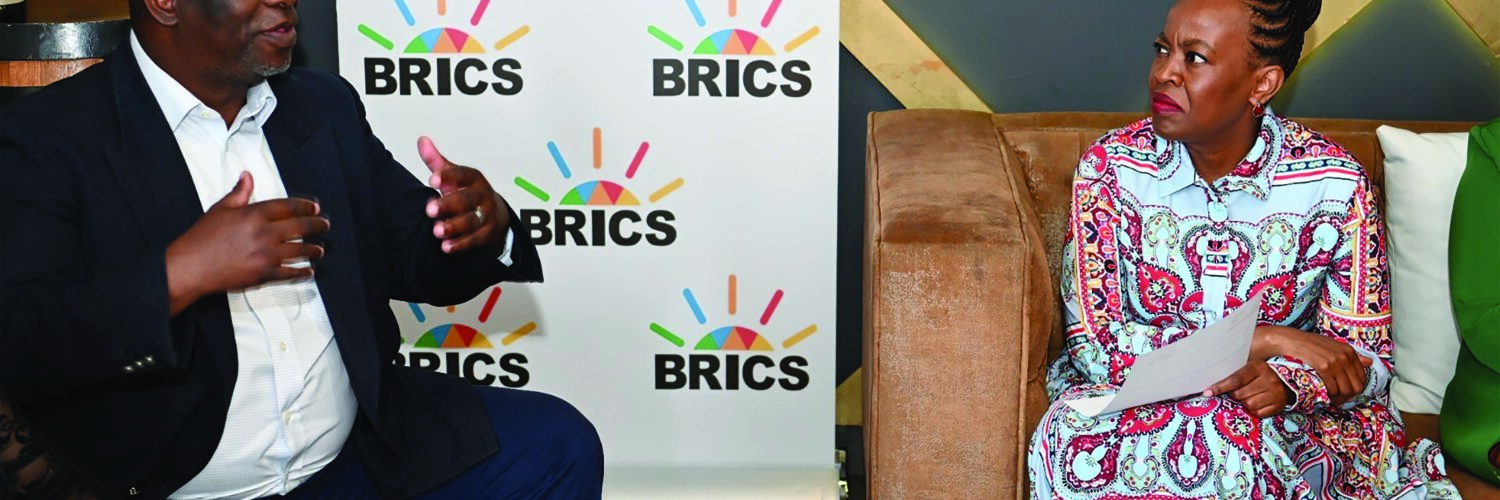
The Minister in the Presidency for Planning, Monitoring and Evaluation (DPME), Maropene Ramokgopa, led a Township Economy in BRICS Dialogue in Orlando West, Soweto, on Tuesday.
Ramokgopa said that BRICS member countries have the capacity to leverage the combined resources, experiences and expertise to support each other in nurturing vibrant township economies.
She said joint ventures, investment partnerships, and knowledge-sharing initiatives can bring a transformative impact.
“As a BRICS nation, we must continue to support and invest in the township economy. By doing so we can rewrite the narrative of our township and create a brighter and more inclusive future for all.
“Let us seize this moment to foster innovation, promote entrepreneurship and build a thriving township economy that stands as a beacon of hope both in South Africa and across the globe in particular BRICS countries,” Ramokgopa said.
The inaugural dialogue was hosted by the Township Economic Commission of South Africa (TECSA) with the support of the Department of International Relations and Cooperation BRICS Directorate.
TECSA president Bheki Twala said: “When we talk about township economy; we talk about the digital economy, construction, retail and tourism. What we are saying today is, that we are now taking the township economy to the global space”.
TECSA, which says with the informal sector only contributing six percent to GDP, there is ample opportunity for growth, is calling for representation at the BRICS summit.The dialogue was convened exactly a week before the commencement of the much-anticipated 15th BRICS Summit in Sandton, Johannesburg, which starts next Tuesday.
TECSA is a registered non-profit company (NPC) that was established by Soweto residents and local businesspeople, led by Twala, to mobilise and empower township-based enterprises to exploit business opportunities emanating from economic development initiatives in the townships.
The entity was established in response to the enactment of the Township Economic Development Act (TEDA). TEDA seeks to “promote Township Economic Transformation in order to enable meaningful participation of previously marginalised people in local economies and support the development of representative associations of township-based enterprises and non-profit organisations.”
The Act thus provides the necessary “developmental legislative framework that addresses economic, geographical and social inequalities” by bringing townships closer to mainstream economic opportunities. -Additional reporting by SA News.