 WeeklySA_Admin
ALARM: Climate-driven flooding are fuelling a dangerous resurgence of malaria across Southern Africa — with Gauteng recording hundreds of cases and experts warning that years of progress towards elimination are at risk…
By WSAM Reporters
South Africa’s malaria fight is under fresh and mounting pressure from a convergence of climate shocks, cross-border movement and fragile health systems across the Southern African region.
Unusually heavy rainfall and widespread flooding across southern Africa in early 2026 have triggered a sharp rise in malaria cases, raising alarm among health authorities and threatening to reverse years of hard-won gains.
In Gauteng alone — a province not traditionally considered malaria-endemic — 414 confirmed cases and 11 deaths were recorded in the first three months of the year. Most infections were imported, carried by travellers returning from high-risk areas within South Africa or neighbouring countries.
But the deeper concern lies beyond the numbers.
This is not just a seasonal spike. It is a warning sign of a shifting disease landscape driven by climate change, regional instability and growing pressure on public health systems.
Across the Southern African Development Community (SADC), extreme weather has become more frequent and more intense — and malaria is following the water.
In early 2026, countries including Mozambique, Zimbabwe, Namibia and South Africa experienced torrential rains, in some cases receiving a year’s rainfall in just days.
The aftermath has been devastating: flooded communities, damaged infrastructure, and vast stretches of stagnant water — ideal breeding grounds for malaria-carrying mosquitoes.
The impact is already visible.
Mozambique recorded more than 1.35 million malaria cases and dozens of deaths within weeks, while Namibia and Zimbabwe also reported sharp increases.
Closer to home, Mpumalanga — one of South Africa’s endemic provinces — saw a fourfold increase in cases in January alone, placing the country’s malaria elimination ambitions under strain.
Experts are blunt: climate change is no longer a distant threat — it is actively reshaping disease patterns.
Borders blur the battle
Malaria does not respect borders — and southern Africa’s interconnected geography is complicating efforts to contain it.
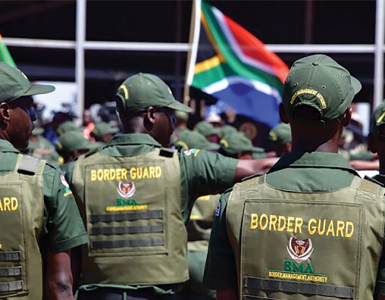
Regional mobility, combined with climate-driven outbreaks, is fuelling cross-border transmission, with South Africa increasingly detecting cases imported from neighbouring countries.
To counter this, a renewed regional push is underway.
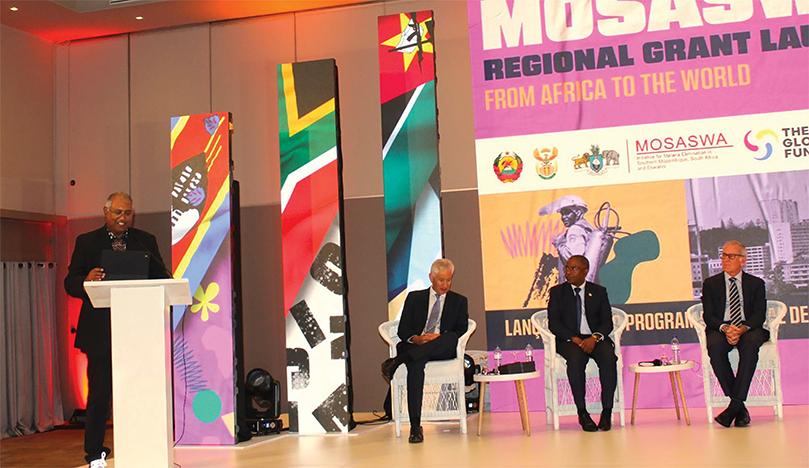
A multi-country initiative known as MOSASWA — spanning Mozambique, South Africa and Eswatini — was relaunched yesterday with a $24 million (R400m) funding boost aimed at strengthening surveillance, coordinating responses and targeting high-risk populations.
The programme has already delivered results, including a significant drop in imported malaria cases into South Africa and eSwatini.
But even that progress is under pressure.
Flooding in Mozambique earlier this year triggered malaria surges of more than 90% in some regions, highlighting how quickly gains can be undone.
A fragile system
Beyond climate and mobility, structural challenges are compounding the crisis.
Flood damage to roads, clinics and basic infrastructure has disrupted access to testing, treatment and prevention measures across affected regions.
At the same time, cuts to international donor funding have weakened routine malaria control programmes, leaving countries less prepared to respond to sudden outbreaks.
The result is a dangerous gap between risk and response.
Malaria remains both preventable and treatable — but only if diagnosed early and managed quickly. Delays can be fatal.
Health authorities are urging vigilance, particularly among travellers.
Anyone experiencing flu-like symptoms — fever, chills, headaches — after visiting malaria-risk areas is advised to seek immediate medical care and request testing, even if preventive medication was taken.
The road ahead
Despite the setbacks, experts insist elimination is still possible — but only with a fundamental shift in approach.
The future of malaria control in southern Africa will depend on climate-sensitive strategies, stronger regional coordination and more resilient health systems.
It will also depend on communities.
Simple actions — draining stagnant water, supporting spraying programmes, avoiding settlement in flood-prone areas — could make a significant difference in reducing transmission.
The warning is clear.
Without urgent, coordinated action, malaria risks becoming not just a seasonal threat — but a permanent feature of a warming, unstable region. – Additional reporting by Health-e News and Club of Mozambique
10 THINGS TO KNOW ABOUT THE MALARIA SURGE
1. Gauteng recorded 414 cases and 11 deaths in early 2026.
2. Most infections are imported from endemic regions.
3. Mpumalanga cases quadrupled in January.
4. Mozambique recorded over 1.35 million cases in weeks.
5. Flooding creates ideal mosquito breeding conditions.
6. Climate change is increasing frequency of outbreaks.
7. Cross-border travel is driving transmission.
8. Regional MOSASWA programme is fighting back.
9. Malaria is preventable and treatable if caught early.
10. Delayed diagnosis can lead to death.