 WeeklySA_Admin
RESILIENCE: The book replicates the energy, resilient entrepreneurial spirit and drive which inspired these wayfarers’ to bulldoze their dreams against the yoke of prohibitive apartheid laws…
By Jacob Mawela
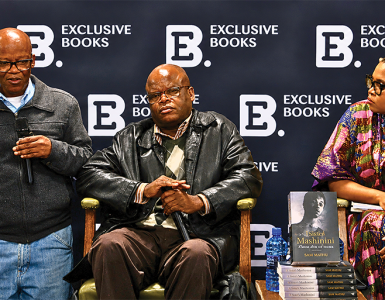
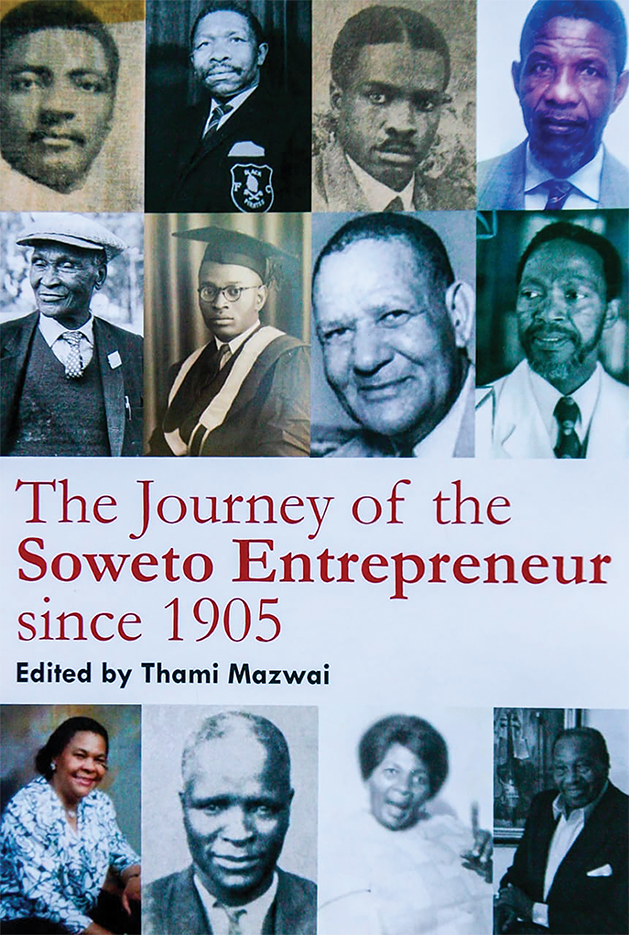
The Journey of the Soweto Entrepreneur since 1905 is a newly-launched book intended to remind current and future generations of their responsibility in growing South Africa’s economy to alleviate poverty, unemployment and inequality.
Edited by SA journalism stalwart Dr Thami Mazwai and published by UNISA Press, it is composed of chapters written by a plethora of contributors who chart the history of various entrepreneurs who, against the yoke of prohibitive apartheid laws, contributed towards the economic livelihood of Soweto.
The 206-page easy read is also intended for the public school curriculum, it is interspersed with monochromatic images of the location’s leading figures who over time ensured its self-sustenance from pre-1948 advent of apartheid to 1994’s dawn of democracy and beyond!
For ease of comprehending the gist of what the literary offering espouses, following is the compendium of topics, as well as the authors, tackled in the chronological order.
. By way of introduction, Mazwai takes the reader through a journey divided by headings exploring the evolution of the Soweto entrepreneur from the juncture of the rural African peasant’s migration to the urban setting and growth of entrepreneurship in Soweto.
Mazwai expounds on how the discovery of minerals at the turn of the 19th century led to a demand for labourers from rural areas to urban ones located at mining centres – with the Land Act of 1913 forcing millions of Blacks to leave their homesteads to seek jobs in town. The Urban Areas Act of 1923 provided for the settlement of natives to Black locations such as the first official residential location named Orlando.
The demand and supply of these communities’ needs – for food and clothing, etc. – naturally resulted in the emergence of entrepreneurs purposed to meet them. From these ranks appeared the likes of James Sofasonke Mpanza, who sold trading rights to shopkeepers and levied toll on hawkers; Mweli Skota, who was a pivot of the Klipspruit business fraternity and Amawasha, a group of men from KwaZulu-Natal who specialised in washing clothes.
. African entrepreneurs in the apartheid-era (1948-1975): a chapter penned by journalist Sam Mathe, he summarises the background of the legal framework informing apartheid legislation intentionally formulated to disadvantage Blacks; delves into township business sectors such as street trading, greengrocer, taverns, takeaways, etc.; informs on the role of Urban Bantu Councils; expounds about the existence of the National African Federated Chamber of Commerce and mentions, amongst others, Richard Maponya (the founder of Maponya Mall) and Habakkuk Shikwane (an industrialist who founded a cane furniture enterprise which once operated from the Orlando Industrial Park).
. Entrepreneurship gains traction in Soweto: here Mazwai deals with apartheid and Soweto entrepreneurs; traders’ organisations (such as Nafcoc) making their mark; the informal sector (i.e. spaza shops); formal and quasi formal (such as Jomo Sono becoming the first Kentucky Fried Chicken franchisee in Soweto and the first laundromat started by Peter Vundla in Rockville).
Soweto – a thriving local market: written by Faculty of Political Economy head at the Mapungubwe Institute for Strategic Relations, Eddie Rakabe, this segment dwells on the local economy and post-1994 spatial and economic reorganization; State-led nodal retail development in Soweto; tourism-led development (i.e. Sakhumzi restaurant); the rush of spaza shops and flashy taverns – optimism in the face of insecurities (R650 million allocated for the spaza shop funding programme with the Township Economic Development Act provisioning for Government to spend 40% of procurement budget of goods and services procurement on township-based businesses) as well as from Soweto to Sandton. These are testimonies of entrepreneurial success highlighted by ex-Fabcos honcho Reggie Hlongwane’s launching of the first Pep brand in Soweto.
. Liquor and township entrepreneurship: tackled by ex-Unisa lecturer and journalist, Professor Phil Mtimkulu, the portion discusses liquor as a facilitator of Black entrepreneurship and provides context and background of the conflict between ‘kaffir beer’ and White liquor brought about by the politics of the day. Mtimkulu touches on the context for the development of liquor entrepreneurship (brewing of umqombothi by women in their homes) in Soweto; the growth of shebeens (overseen by owners such as Elijah ‘Mpalampala Outside’ Msibi); the emergence of bootleggers; SA Breweries and liquor entrepreneurship post-1994.
. The evolution of financial services in Soweto: contributed by National Stokvel Association of South Africa founder Khehla Lukhele, who journeys the reader through the emergence of the financial sector in Soweto; stokvels (which have membership of more than 11.5 million people with savings valued over R49 billion a year); burial societies (pioneered by founder member of the ANC, Dr James Moroka); Nafcoc-Permanent Life Assurance Company; African Bank (which opened at Ga-Rankuwa in 1975) and the formation of Soweto Investment Trust Company Limited.
. The evolution of Soweto women entrepreneurs: herein entrepreneur and marketer, Busi Skenjana, traces women in the evolution of Soweto entrepreneurship since the 1930s. She profiles the contributions of Caroline Tshabalala (said to had been the brains behind her husband Ephraim’s empire dubbed ‘Soweto miracle story of business management’), Marina Maponya (who alongside her husband, Richard, managed a business empire including a dairy, restaurant, butchery, general store and supermarkets) and Sally Motlana (once the president of the Black Housewives’ League who opened Sizwe grocery shop in Mofolo Central).
. The evolution of retail in Soweto: authored by financial journalist, Phakamisa Ndzamela, this section relates the evolution of the retail industry in Soweto from the early century by touching on pioneer retailers in Soweto such as Thomas Ntlebi, Paul Mosaka, Ephraim Tshabalala, Richard Maponya; Nafcoc’s opposition to White trading in townships and criticism levelled at Blackchain.