 WeeklySA_Admin
HINDSIGHT: A no-holds-barred autobiography by a Forbes-Magazine-celebrated young black achiever and influencer who made her first million aged 27, reflecting on her journey through a turbulent township life…
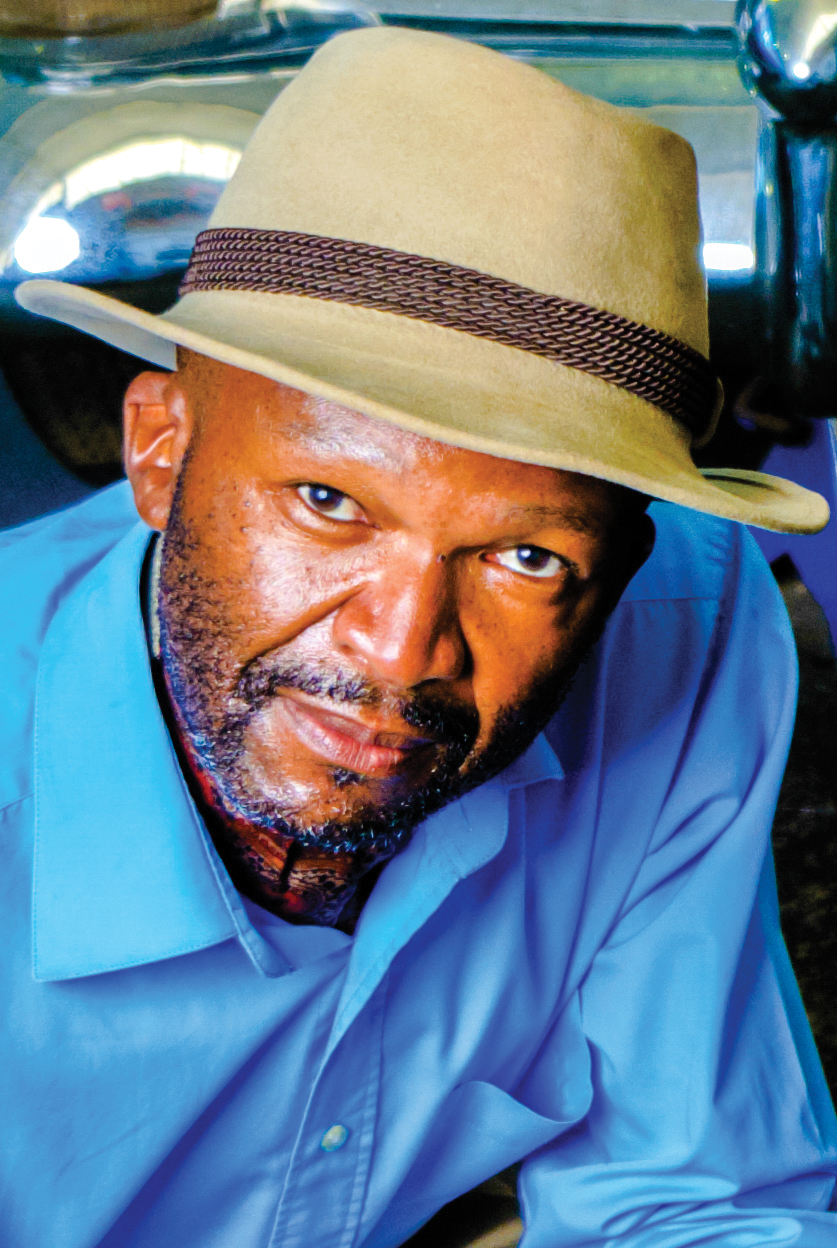
By Jacob Mawela
She rose from owning a cleaning business, progressing to become a nail technician and owner of a nail salon to becoming the founder and CEO of Wisdom & Wellness – a business she established while dealing with postpartum depression, which she describes as akin to a dancing with darkness.
Yet, Nompumelelo Amanda Ledwaba (nee Mondlane) never imagined this painful chapter in her life would lead to the healing of thousands as well as empower, inspire and support them towards living a purposeful and holistic life. A true example of one turning adversity into a triumph…
Built on the foundation of community and wellness, Wisdom and Wellness offers unique tools for holistic success through various platforms, which include Unlimited Fest (the #1 Female podcast in South Africa) Unlimited Fest and a Sunday Nuggets newsletter. All that in the firm belief that wellness is the key to unlocking a truly authentic life. Her passion and work is to help individuals take care of their mind, body and spirit.
In her book, she describes her community as a movement of love geared to instilling faith and wisdom in each other so all can be holistically well!
It all began 30 years ago at Mhluzi, a township in the Mpumalanga Province town of Middelburg, where she was raised by a truck driver father who didn’t finish school (‘on my first day of school, I knew I had to get a job,’ he revealed) and a schoolteacher mother who forced her to attend speech and drama classes to assist her with stage confidence.
Known to most as Mpoomy, she accepted the Lord at 13, was baptised at 14, joined her church’s choir as its youngest member ever to lead a song at a Sunday service. At 22, she married to Idols South Africa (Season 9) runner-up Brenden Praise.
Ledwaba’s account is compartmentalised into chapters relating her personal experiences concluding with reflections in which she urges readers to take stock of their own experiences by journaling their thoughts as a means of finding healing in writing.
Positing that she ceased being a child at 10, the eldest of three siblings, Ledwaba recounts how she had to bring her assertiveness to bear upon her parents by having them reverse their decision to grant her four-year-old kid brother his own bedroom while she had to share another with her younger sister in a new house the family had just moved into.
“How come Mtho gets to have his own room when I am older than him?” she had demanded. In a chapter titled, “The Good Wife”, Ledwaba would hardly be one to be coy about asserting her own rights in her marriage.
“In mine, my husband and I would have sex seven times a week, each day helped along by a different chapter of the Kama Sutra.” She’d met her husband shortly after having confided to a chum while listening to a John Legend song during her first year at varsity in 2013 that “the guy I’m going to marry is going to sing that song to me!”
One day, watching Idols contestant, Brenden Ledwaba, perform the John Legend song on television and she informed her mom ‘I was going to marry this guy’ – a wish that would later be granted by telepathy!
But, being someone who – by her own admission – had given her life to God aged 13, she was racked with guilt borne by being in a sexual relationship with a pastor’s son before matrimony – a lapse her guilty conscience prompted to believe she was going straight to hell!
The progeny of parents who kept the pregnancy secret because of their not being married, would ask herself, “at what cost?”
Living in perceived condemnation and seeking release from sexual bondage sans the wherewithal to escape the trap of sin and addiction, Ledwaba writes that God told her she would be the one “to break the generational curse” – in her family’s case – of multiple children outside of marriage (the parents of her father, of which he is one of 11 children, never married), sexual addiction, alcoholism, illness, poverty and dysfunction.
From a background of bipolar disorder and mental health issues, she would suffer the heartbreak of losing a cousin to suicide in January 2020.
Elsewhere in the candid read, she relates on her collision with sexual abuse at the age of 14 involving a guy she had a schoolgirl’s crush on. None any wiser that the encounter with the older man would end up with a date-rape, she credits timely intervention for averting a teenage pregnancy – although the incident resulted in a fallout with her mother which took 12 years to get over after she invited her over to discuss, for the very first time, what had occurred all that time back!
Fortunately, the tete-a-tete triggered the desired catharsis as a mother who had initially responded angrily to an adolescent daughter she deemed to be wayward and had brought shame to the family by whipping her with a belt, now cried and apologised.
In a section on “Trolls, Stalkers and Friendships”, Ledwaba expresses shock at Black women being so mean to other Black women, upon discovering during January of 2024 a smear campaign being waged against her on X (formerly Twitter). This stemmed from her perceived struggles to maintain lasting friendships allegedly through fault of her own, which culminated in her being branded “a mean girl and hides behind Christianity.”
Having endured online bullying, she became momentarily shaken by the venom until it dawned upon her the folly and cowardice of those behind the attempt to discredit her – all of which, she noted, had very little to do with her!
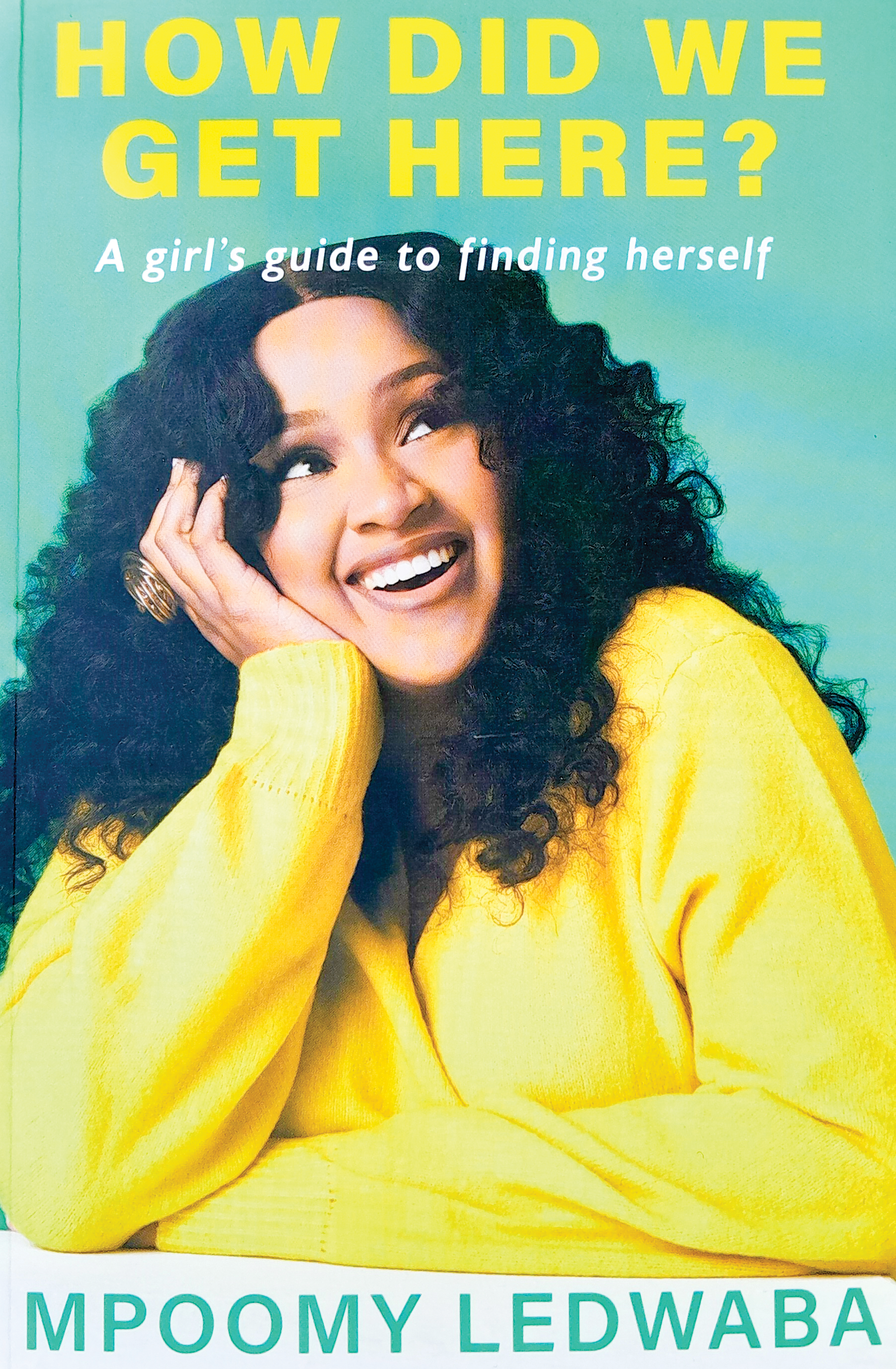
How Did We Get Here? is the first tome by the early 21st century influencer, in which she retrospect on her upbringing, major milestones and the challenges she’s faced.
It is a coming-of-age tale, in other words, which takes the reader on the author’s journey of self-discovery and which – to quote her: “I share my story to normalise talking about those shameful, hurtful things we keep hidden. I share my story because shame loses its power when we find safe spaces to share our truth . . .”
It is a no-holds-barred memoir of a young achiever who made her first million aged 27 and whose path to realising her life’s dreams has been fraught with experiencing the downer of dropping out of varsity. Incidentally, her dad had spelt clear the sober implication of her not succeeding academically by pointing out to a shopping centre located adjacent to the academic institution and pronouncing: ‘If you fool around, you will work here’.
Fortunately, the downer would be erased by the up, in 2023, of breaking into “the Forbes 30 Under 30” (a set of lists of 30 notable people under 30 years old in various industries issued annually by Forbes Magazine)!
Hers is also a saga of a ‘born-free’ exposed to a multi-racial schooling environment, in which she grew up in the ‘New South Africa’ having to manoeuvre through a dichotomy of ways of living as represented by her parents’ generation – as opposed to those of the post Y2K epoch, as represented by hers!
* How Did We Get Here? is published by Jonathan Ball Publishers. Available at leading bookstores countrywide, it retails for R290.