 WeeklySA_Admin
SHUTDOWN: British American Tobacco South Africa will close its only local manufacturing plant by end of 2026, placing about 230 jobs at risk, blaming rapid contraband growth…
By Lehlohonolo Lehana
British American Tobacco South Africa (BATSA) is closing its only manufacturing facility in South Africa, with over 200 employees facing retrenchment.
BATSA, which produces popular brands such as Peter Stuyvesant, Pall Mall and Dunhill, informed the political leadership of the Lesedi Municipality, where its Heidelberg manufacturing facility is located, that it will mothball the plant by the end of this year.
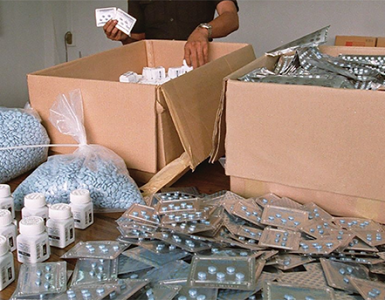
The cigarette trade in South Africa is currently in a state of crisis, defined by a massive, uncontrolled illicit market that constitutes approximately 70% to 75% of total sales as of early 2026. This pervasive illicit trade, which exploded following the COVID-19 lockdown sales ban, has crippled legal manufacturers, resulted in tens of billions of rands in lost tax revenue, and led to major industry disinvestment.
“BATSA commenced its formal consultation process today with affected employees and union representatives in accordance with Section 189A of the Labour Relations Act,” the group said in a statement issued on Thursday.
It expects to conclude this process by end March 2026, with the complete closure of the manufacturing facility planned for the end of 2026, it noted in a statement issued on Thursday morning.
BATSA has blamed the decision on the rapid expansion of the illicit cigarette trade, which it says now accounts for roughly three-quarters of the local market.
“[The closure is] as a result of the devastating impact of the illicit cigarette trade on the local market,” it adds. Once the closure is completed, BATSA will no longer manufacture cigarettes in South Africa and will instead rely on imports to meet the domestic market’s needs. It has stressed that it is not exiting South Africa entirely. It will retain its secondary listing on the JSE and continue to sell its products locally through imported cigarettes.
“This is an incredibly difficult day for BATSA and for the approximately 230 employees and families who may be affected. These are skilled, dedicated people who have given years of service, who, unfortunately, are affected by an illicit market that operates outside of the regulatory net,” says Johnny Moloto, head of corporate and regulatory affairs at BAT Sub-Saharan Africa.
The group notes that it has engaged with the South African government and law enforcement authorities over the past decade, “consistently raising concerns about the growth of illicit trade and advocating for effective enforcement”.
However, it notes that several policy decisions have exacerbated the situation: the “unconstitutional 2020 tobacco sales ban” during the Covid-19 pandemic, from which the legitimate market has never recovered, and above-inflation excise increases that have widened the price gap between legal and illicit products.
A study by Ipsos, commissioned and paid for by BATSA, found the availability of illegal cigarettes in SA has become endemic, with nearly eight in 10 SA retailers selling illicit cigarettes — triple the number reported three years ago. The study, which surveyed more than 4,000 outlets countrywide, found about 69% of retailers were selling cigarettes at less than R20 per pack and nearly 80% were selling below the R26.22 minimum collectible tax.
BATSA’s 2023 results were negatively affected by an impairment of goodwill regarding South Africa of £291m due to the continued “negative effect of illicit trade”. – Fullview