 WeeklySA_Admin
NARRATIVE: The Press Ombud has ruled that a Mail & Guardian opinion article linking the lobby group’s US advocacy campaign to “white genocide” narratives fell within protected comment on a matter of public interest…
By WSAM Reporter
The South African Press Ombud has dismissed a complaint lodged by lobby group AfriForum against the Mail & Guardian over an opinion article that accused the organisation and its allies of advancing a “white genocide” narrative in international advocacy.
In a ruling issued on Tuesday, Acting Press Ombud Johan Retief found that the article, titled “Charge AfriForum, Solidariteit over white ‘genocide’ hoax”, constituted protected opinion and comment on a matter of significant public interest.
The complaint stemmed from a column written by political activist and law graduate Jozias Mahube-Reinecke, published by the Mail & Guardian on 17 April 17 2026. The article criticised AfriForum’s engagement with the United States over claims of discrimination and violence against white South Africans, particularly farm murders.
AfriForum objected to a sentence stating that the organisation and its allied groups “frame their position through claims of targeted violence against white farmers, which they present in international advocacy as a form of ‘white genocide’”.
The organisation argued that the statement was false and misleading because it has repeatedly denied claiming that a white genocide is taking place in South Africa. It further sought a severe sanction against the publication, arguing that the Mail & Guardian had previously apologised over similar claims in earlier reports.
However, Retief ruled that the article was clearly labelled as opinion and therefore did not fall under the Press Code provisions governing factual news reporting. Instead, he found that it was protected under the section covering comment and criticism.
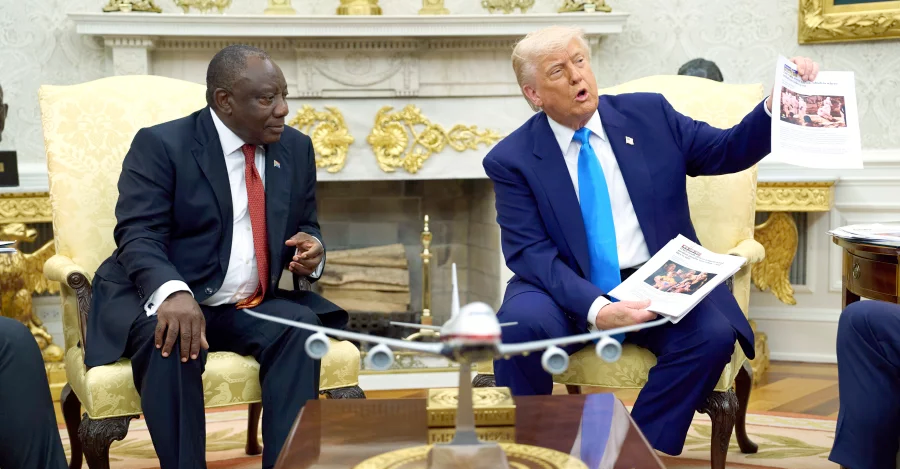
The Ombud also pointed to the broader political fallout linked to AfriForum’s lobbying campaign in Washington, including remarks by US President Donald Trump and statements from the White House referring to a “white genocide” in South Africa.
If AfriForum did not present the situation in South Africa as a white genocide, as the article says, then why did Trump come to that conclusion after its visit?
Retief said this context made the columnist’s interpretation reasonable, particularly given what he described as ambiguity in AfriForum’s public posture on the issue.
“It is true that AfriForum has several times denied that there is a white genocide taking place in South Africa,” Retief wrote, but added that comments by AfriForum CEO Kallie Kriel in interviews following Trump’s statements created uncertainty about how firmly the organisation rejected the claim.
The Ombud further stated that Trump’s reaction after engaging with AfriForum demonstrated that the organisation had, at minimum, contributed to creating that impression internationally.
In dismissing the complaint, Retief concluded that the contested statement amounted to fair and protected comment rather than a false factual assertion.
The ruling is likely to reignite debate around AfriForum’s controversial international advocacy campaign, which drew widespread criticism in South Africa after the organisation approached the Trump administration over claims of racial persecution and alleged attacks on white farmers — allegations many political leaders, analysts and civil society groups have rejected as exaggerated or fabricated.