 WeeklySA_Admin
OPINION: A decade has passed, yet those trapped underground at Lily Mine in Mpumalanga remain unrecovered, with their families left to endless grief as a result of institutional neglect…
By Themba Khumalo
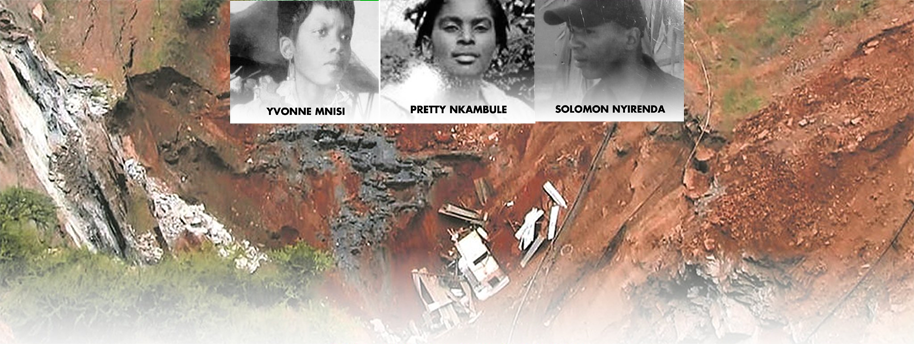
February 5 2026 marked 10 years since Yvonne Mnisi, Pretty Nkambule, and Solomon Nyirenda were swallowed alive by the Lily Mine in Barberton, Mpumalanga.
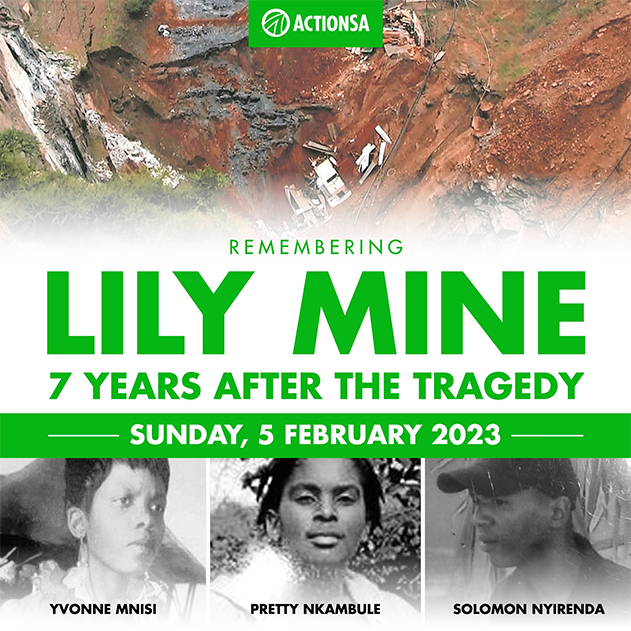
Ten years of stone, silence, and state indifference – in which their families’ grief has been ignored, turned into torment by a government that treats human life as a bureaucratic inconvenience.
Ten painful, difficult years in which the families have been left in limbo, watching life go by while their loved ones stay trapped beneath cold, uncaring rocks. Ten years of a nightmare stitched together from the cold indifference of the National Prosecuting Authority, the Department of Mineral Resources, and a government that treats human life as something to be ignored.
Every sunrise, every news headline, every bureaucratic shrug has been a hammer driving into the bleeding chest of grief. Bodies trapped underground, hearts trapped in limbo, while officials shuffle paperwork as if human blood were ink.
At 08:10 on February 5 2016, Lily Mine in Barberton turned into a tomb. The crown pillar between levels three and four collapsed, sending tons of rock crashing into the old underground workings. The lamp room, a small hub of light and routine on the surface, was dragged down and buried in the rubble. Inside, Yvonne Mnisi, Pretty Nkambule, and Solomon Nyirenda were trapped, their lives sealed in stone before the world even knew they were in peril.
Seventy-six of their colleagues were also trapped underground, but they were rescued through a narrow ventilation shaft. The three who remain are a sad reminder of lives left behind because of neglect and indifference.
Over these ten years, some relatives have set up camp just outside the mine, enduring the blazing sun by day and cold by night, pounding at doors that never open, shouting at walls that refuse to hear them. Yet the NPA, the Department of Mineral Resources and the mine owners remain unmoved. They delay. They stall. They shrug. Three human beings trapped underground, three families bleeding grief, and the state treats it all as if it were nothing more than an irritating item in the bottom drawer.
ActionSA and Herman Mashaba forced the hand that should have moved long ago: a complaint to the South African Human Rights Commission. Magistrates, experts, courts—all confirmed what everyone with eyes and a conscience already knew: gross negligence, institutional failure, and a contempt so naked it burns. And yet… nothing. Still nothing. The mine remains closed. The bodies remain entombed. The families remain suspended in a decade of torment.
The families’ grief is a raw wound, open to the world, bleeding with every sunrise, every whisper of their lost loved ones—a pain that refuses to soften with time. This unyielding, inescapable tide drags them deeper into sorrow with each passing year.
Imagine caring for someone so deeply that being without them feels unbearable, only to face a government that moves slowly and destroys hope at every turn.
This is the full, raw horror. This is not a dereliction of duty—it is malice in slow motion. It is disdain etched into law, hammered into policy, and carried out with the cold, pitiless efficiency of bureaucrats who see grief as nothing but an inconvenience. Every delay, every shrug, every excuse is a fresh wound to the families, a moral assault that drags their hearts through the dust while those in power retreat to their offices and boardrooms, untouched and unshaken.
In 2016, experts warned that a rescue would be dangerous. Fine. But ten years have passed. Ten years. And still, no attempts have been made to retrieve the three. Ten years of legal wrangling, millions spent, and yet Yvonne, Pretty and Solomon lie imprisoned where the mine swallowed them, hidden from a world that should care, while the state washes its hands in perfumed indifference.
This is not negligence. It is moral rot, contempt for human life so profound it should make every conscience shudder. It is the cruellest betrayal, a barbaric mockery of human life, enacted by those entrusted to protect it. Every minute of delay is a kick to the hearts of their families. Every shrug is a punch in the gut of humanity.
On Thursday, 5 February 2026, the families gathered once more. Candles flickered against the dark and cruel mine, names were whispered into the howling wind, and tears fell for lives stolen, for hope stolen, for justice denied. They demanded what any human being deserves: the dead brought home, the missing returned, the empty words of politicians replaced with deeds, heavy with accountability.
And let this be etched into every conscience that dares look away: the Department of Mineral Resources, the National Prosecuting Authority, and the mine owners that have turned their backs on the dead and hardened their hearts against the living.
Ten years of silence is not being careful; it is abandonment. Ten years of delay is not a process; it is cruelty. While executives retreat behind legal walls and officials hide behind procedure, three human beings remain buried like inconvenient debris, and their families are left to carry a grief that grows heavier with every broken promise.
For those in power who should act, this is not a small mistake; it is a choice. They choose to ignore the problem, to value money and paperwork over people, to put profit and rules ahead of basic human dignity.
Until Yvonne Mnisi, Pretty Nkambule and Solomon Nyirenda are brought home, until their families are allowed the simple mercy of burial, the Department, the prosecutors and the mine owners will stand accused—not just of failure, but of a moral collapse as deep and unforgiving as the ground that swallowed those three lives.