 WeeklySA_Admin
HISTORIC: From its defiant apartheid-era beginnings to its continued role as a cultural conscience, the Market Theatre marks 50 years with a year-long programme…
By Jabu Kumalo
The internationally acclaimed “Theatre of the Struggle”, the Market Theatre, has launched a bold, year-long programme to celebrate its 50th anniversary throughout 2026.
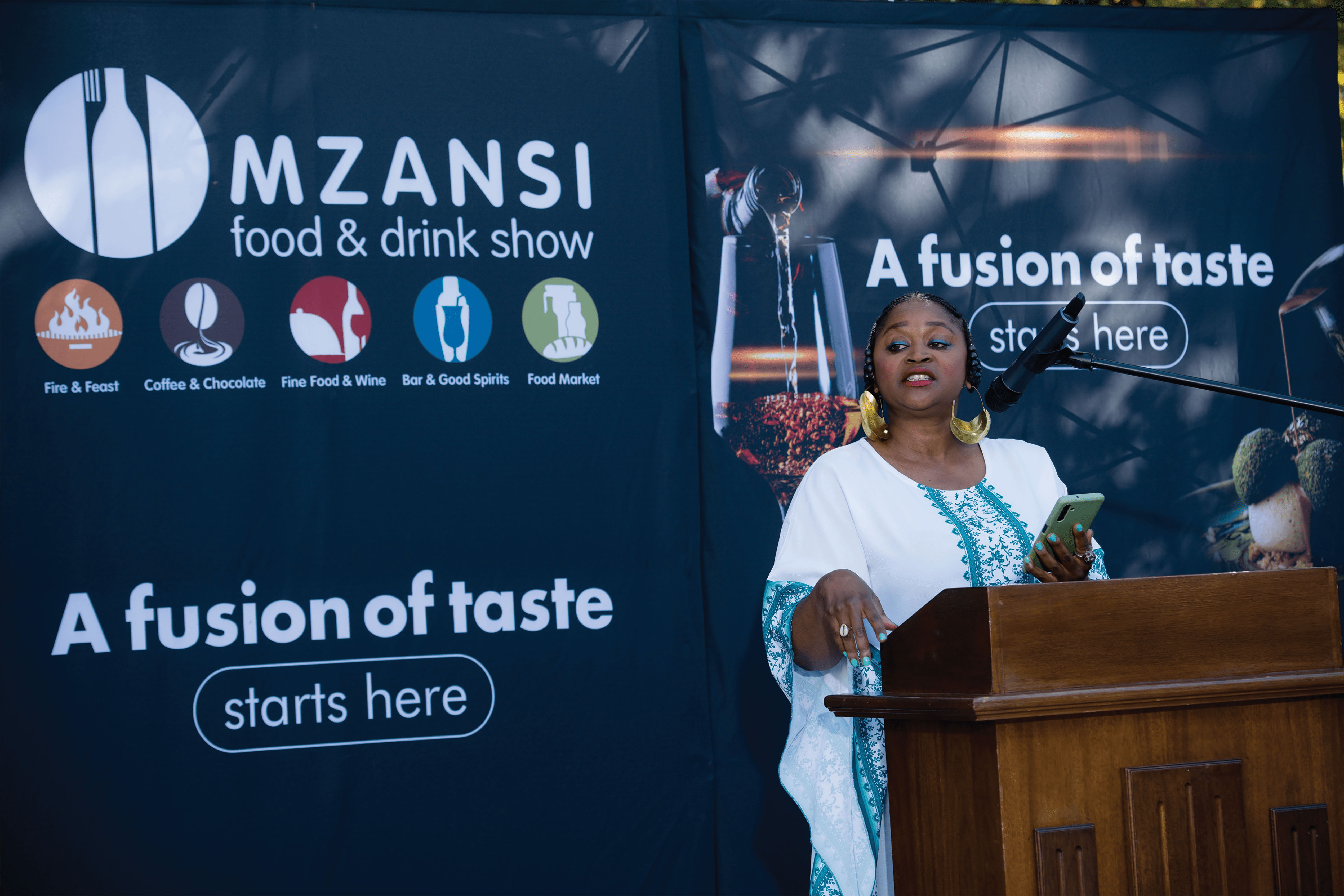
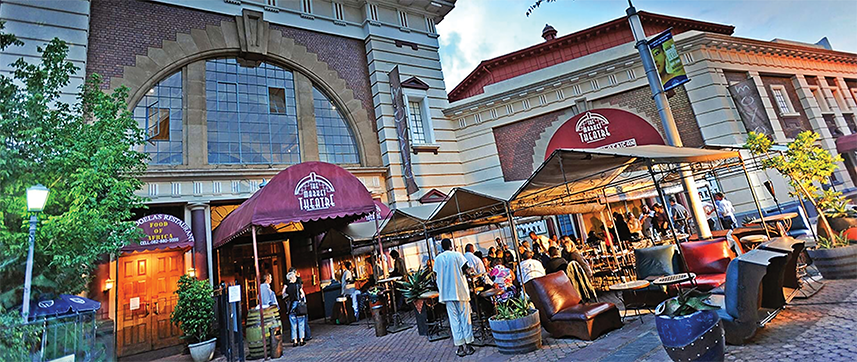
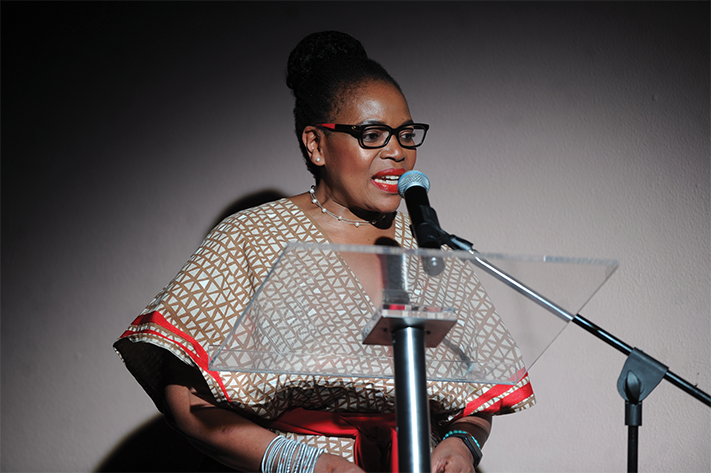
The celebrations were officially unveiled on March 27 at the theatre’s Gramadoela restaurant, with proceedings opened by Market Theatre Foundation Council chairperson, Florence Masebe.
The renowned stage and film actress described it as a profound honour to lead the institution at such a historic moment, having been appointed by the Minister of Sport, Arts and Culture.
“The Market Theatre is the place that gave me the courage to pursue a career in the arts,” said Masebe.
“It was after I watched an illegal video of the stage show Woza Albert! that I was sold on acting. I couldn’t believe that people were doing this for a living. I was hooked and knew I wanted to be in that space.”
She paid tribute to the generations of performers who paved the way for today’s artists and urged audiences to support the theatre.
“Please tell your friends to support us. The Market Theatre is where you should be spending your nights, especially on weekends. I am truly grateful to be entrusted with this role,” she said.
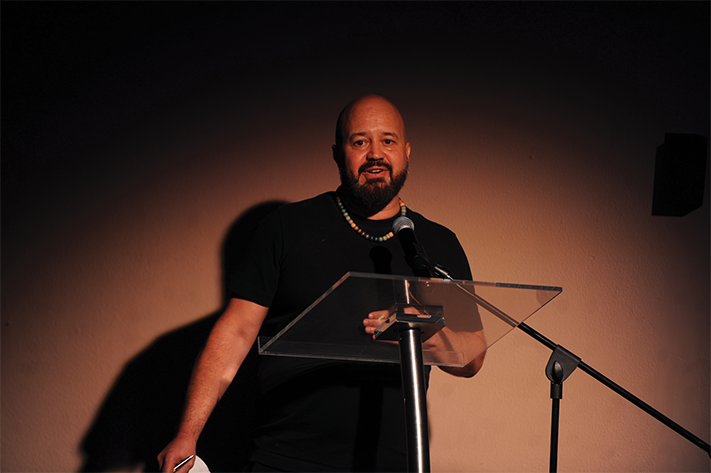
The evening featured musical entertainment by the Windybrow Arts Choir, alongside a short satirical stage piece exploring Afrikaners emigrating to the United States.
The Market Theatre was founded on June 19, 1976 — just three days after the Soweto uprisings — a coincidence Masebe described as symbolic, calling the theatre the “twin of the Soweto uprising”.
Delivering the keynote address, Artistic Director Greg Homann acknowledged the challenge of honouring the many artists and stakeholders who have shaped the institution over five decades.
“With such a packed programme, we know some will feel left out — not for lack of appreciation, but because it is impossible to include everyone,” he said.
Homann described the theatre’s 50-year journey as “an achievement forged in struggle, sacrifice and a principled commitment to reflecting the demographics of our country on our stages”.
“For 50 years — particularly during our country’s darkest years — our stages filled the silence with stories of weight and meaning. It took brave theatre-makers, volunteers, workers and patrons to hold space for a free, democratic, non-racial South Africa while it was still a dream,” he said.
Housed in the former Johannesburg Indian Fruit Market building, constructed in 1913, the theatre was founded by Mannie Manim and the late Barney Simon. During apartheid, it gained global recognition for staging bold, provocative productions that challenged the system.
“Today, as the nation continues to evolve, this building once again stands fearless — presenting works that critique our present, hold power accountable, and reflect the society we are shaping together,” Homann added.
He also highlighted the importance of Newtown as a cultural precinct, noting that the theatre’s legacy is intertwined with Johannesburg’s broader creative history.
The anniversary programme will feature works by playwrights including Tiisetso Mashifane wa Noni, Chantal Stanfield, Qondiswa James and Amy Jephta — a reflection, Homann said, of the theatre’s commitment to amplifying the voices of women of colour.
“As we move into the next 50 years, we remain committed to programming that reflects the full diversity of our country and advances our founding vision of a space for all,” he said.
The milestone celebrations will culminate in a three-day programme from June 19 to 21, 2026.
Over the years, the Market Theatre’s fearless storytelling has earned it widespread recognition. In 1995, it received the prestigious American Jujamcyn Award. More recently, in 2025, productions staged at the theatre garnered 42 nominations at the 21st Naledi Theatre Awards — reaffirming its enduring influence and artistic excellence.
Five decades on, the Market Theatre remains not just a stage, but a mirror of South Africa’s past, present and evolving identity.