
 WeeklySA_Admin
ANTIOXIDANT: New research finds curcumin may protect blood vessels and reduce inflammation in Type 1 diabetes—but scientists caution human trials are still needed…
By Own Correspondent
A compound found in a common kitchen spice may hold early promise in protecting people with diabetes from life-threatening heart damage—but scientists are urging caution.
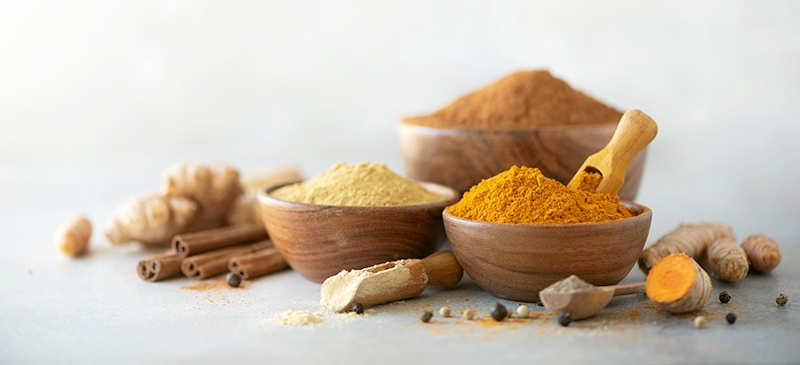
Curcumin, the active ingredient that gives turmeric its bright yellow colour, has long been associated with anti-inflammatory and antioxidant benefits. Now, new research suggests it could also play a role in preventing cardiovascular complications linked to diabetes.
The findings, presented at the 2026 American Physiology Summit in Minneapolis, show that curcumin helped protect blood vessels from damage in a laboratory study involving rats with Type 1 diabetes.
Researchers found that diabetic rats treated with curcumin for one month showed significantly improved vascular health—closely resembling that of non-diabetic animals. The treatment appeared to reduce inflammation, restore normal cellular function and improve the flexibility and strength of blood vessels.
“Curcumin acts as more than a simple compound found in a spice,” said lead researcher Swasti Rastogi, a PhD candidate at the Florida Institute of Technology. “It not only helps to improve blood sugar levels but also reduces inflammation and preserves the structure and function of major blood vessels.”
The study focused on Type 1 diabetes, a chronic autoimmune condition in which the body cannot produce insulin. Even with insulin therapy, many patients develop cardiovascular disease earlier than the general population due to prolonged exposure to high blood sugar levels, which damages blood vessels over time.
One of the key findings was curcumin’s impact on heat shock protein 70—a crucial protein involved in protecting cells from stress—which is typically disrupted in people with diabetes. The compound also appeared to normalise calcium regulation in blood vessels, a process essential for maintaining healthy circulation.
Together, these effects suggest curcumin could help slow or prevent the deterioration of vascular function that often leads to heart disease in diabetic patients.
However, researchers are clear: the findings are still at an early stage.
Because the study was conducted in animals, it does not yet prove that curcumin will have the same effect in humans. Clinical trials will be required to determine safe and effective dosages, as well as to assess potential interactions with existing diabetes medications.
Importantly, scientists stress that simply adding more turmeric to one’s diet—or taking over-the-counter supplements—is not a substitute for medical treatment.
For countries like South Africa, where diabetes rates are rising and access to specialised care can be uneven, such research offers a glimpse into potential future therapies that may be more accessible and affordable. But for now, standard treatments and medical guidance remain essential.
Diabetes is a major health crisis in South Africa, acting as the second leading cause of death. Estimates indicate over 2.3 to 4.3 million adults live with diabetes, with a prevalence of roughly 7.2% to 11%, according to the International Diabetes Federation. A significant portion of cases remain undiagnosed, with around 50% unaware of their condition. Healthcare professionals advise patients to consult their doctors before introducing any supplements into their routine.
While turmeric’s golden hue has long been associated with wellness, its role in modern medicine—particularly in managing chronic diseases like diabetes—remains a work in progress. – Newswise