 WeeklySA_Admin
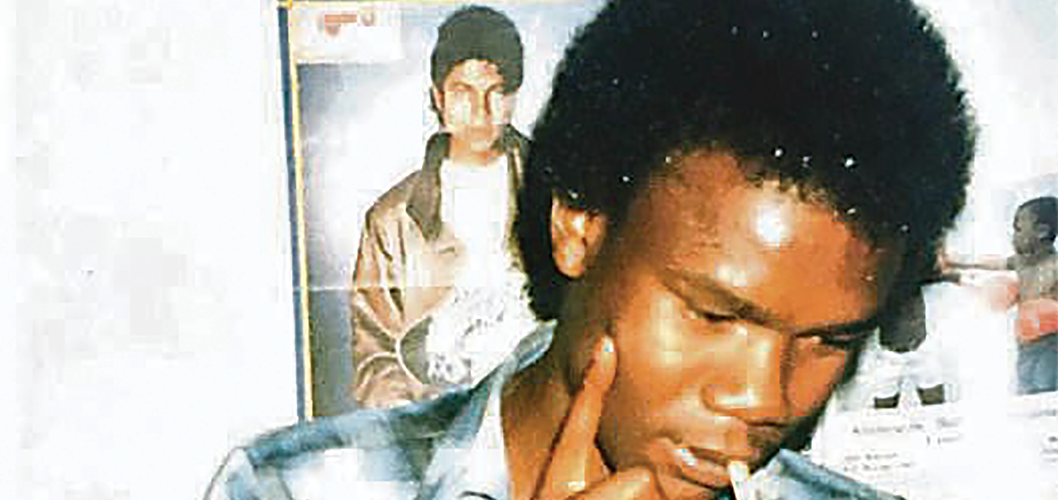
Justice: Nyoka was amongst many youngsters whose dreams were interrupted by bullets, torture and brutality
By Monk Nkomo
The chandeliers inside the Union Buildings shimmered softly as the audience rose to its feet. In the front row sat elderly men and women with walking sticks, former prisoners who had once stared down apartheid prison walls, mothers who had buried children in secret funerals and young students eager to understand the price of freedom.
On the podium stood South Arica’s President, Cyril Ramaphosa, preparing to bestow South Africa’s highest honours upon citizens whose sacrifices had helped build a democratic nation founded on equality, justice and dignity for all.
Outside, Pretoria basked in the warm autumn sunlight, but inside the hall emotions ran deep. The National Orders ceremony was not merely a formal state occasion. It was a moment of remembrance, gratitude and unfinished reflection. Each name called carried with it a history of struggle, courage and pain.
Some recipients were diplomats, writers, judges and activists who had spent decades defending human rights. Others were honoured posthumously, their medals received by trembling children or ageing spouses. There were tears when liberation songs echoed through the chamber. There was silence when stories of torture and exile were recalled. Yet above all, there was pride that South Africa still remembered those who had stood up when injustice ruled with an iron fist.
Among the names that resonated most powerfully this week was that of the late student activist and Congress of South African Students leader, Caiphus Nyoka.
For many younger South Africans, the name was unfamiliar. But for veterans of the struggle, Nyoka represented a generation of fearless township youth who challenged apartheid armed with little more than conviction, pamphlets and courage.
As the citation was read aloud, the hall fell into a solemn hush.
Nyoka had been a brilliant and outspoken youth leader during one of the darkest periods in South Africa’s history. In the 1980s, the apartheid government tightened its grip through states of emergency, mass detentions and violent repression. Student organisations became powerful centres of resistance, mobilising communities against inferior education, racial oppression and police brutality.
Nyoka emerged as one of those young voices refusing to be silenced.
As a leader of COSAS in Daveyton, Benoni, he organised protests, inspired students and confronted authorities who regarded politically conscious black youth as enemies of the state. He understood the danger. Activists disappeared regularly. Police raids became routine. Yet he continued his work, believing freedom demanded sacrifice.
Then came the terrible night of August 24, 1987.
Police descended on Nyoka’s home with ruthless force. According to witnesses and activists who later documented the killing, he was brutally murdered in an operation meant to crush resistance and spread fear among township youth. His death sent shockwaves through student movements across the country. To many young activists, it was a grim reminder that apartheid viewed black children not as citizens, but as threats.
In the audience sat members of the Nyoka family, carrying memories too painful to fully erase even after nearly four decades of democracy. When Ramaphosa stepped forward to present the National Order in Nyoka’s honour, they rose slowly to accept the medal on his behalf. Nyoka was bestowed the Order of the Baobab in Silver posthumously for his contribution to the struggle against the apartheid regime and his ultimate sacrifice for a democratic , non-racial South Africa.
For a brief moment, the hall seemed suspended between past and present.
The applause that followed was not celebratory alone. It carried sorrow, admiration and perhaps even apology. South Africa was acknowledging a son whose life had been stolen before he could witness the freedom for which he fought.
Ramaphosa spoke of the importance of remembering those whose names do not always appear in history books but whose sacrifices laid the foundation for constitutional democracy. He reminded the gathering that freedom had not arrived through miracles or negotiations alone. It had been built through the blood, courage and determination of ordinary people.
“The democracy we enjoy today,” he said, “stands on the shoulders of those who refused to surrender their humanity in the face of oppression.”
Those words lingered heavily in the room.
The National Orders reflected more than ceremonial recognition. They symbolised an ongoing national duty to protect the values many died defending. Equality, justice and dignity were not abstract constitutional phrases. They were ideals paid for dearly in prisons, on picket lines, in exile camps and township streets stained with blood.
Yet the ceremony also exposed a painful contradiction.
South Africa remains burdened by poverty, unemployment, corruption and inequality. Many communities that produced heroes of the struggle still lack decent housing, proper schools and safe streets. For some families of fallen activists, democratic freedom has not yet translated into economic justice. Still, on that day, remembrance itself carried power.
As the ceremony drew to a close, struggle songs once banned by apartheid authorities filled the chamber. Elderly veterans raised clenched fists while younger attendees joined softly, learning lyrics born from resistance. The music connected generations separated by time but united by history.
Near the exit, one elderly former activist quietly reflected on Nyoka’s recognition.
“They killed many of our children,” he said. “But today the country says their lives mattered.”
Perhaps that was the true meaning of the National Orders ceremony — not merely to decorate individuals with medals, but to reclaim stories that oppression once tried to erase.
For every celebrated leader, there were countless others like Caiphus Nyoka whose dreams were interrupted by bullets, torture and brutality. Honouring them affirms that democracy did not emerge from nowhere. It was built by brave souls who dared to imagine a South Africa where every person, regardless of race, could live with dignity.
As the guests departed the Union Buildings and the sun dipped behind the jacaranda-lined hills of Pretoria, the spirit of remembrance endured.
The medal awarded to Caiphus Nyoka could never restore the years stolen from him. It could never erase the grief carried by his family. But it stood as a national promise that his sacrifice — and the sacrifices of many others — would not be forgotten.
Long road to justice for family of slain activist
ACCOUNTABILITY: The Nyoka family finds closure and justice 38 years after son Caiphus Nyoka was executed by cops…
By Monk Nkomo
The conviction of three former apartheid-era policemen for the brutal murder of student activist Caiphus Nyoka marks a watershed moment in South Africa’s long and painful search for justice.
Nearly 38 years after Nyoka was gunned down in the backroom of his family home in Benoni on the East Rand, his family has finally received the truth and accountability they had pursued for decades.
Nyoka, a young activist and leader of the Congress of South African Students (COSAS), was only one of many black youths targeted during the violent repression of the apartheid era. On August 24, 1987, his life was cut short in a hail of bullets when security policemen stormed his family home and shot him about 12 times.
On the night of his brutal murder, Nyoka had been attending a funeral and had visited a local shebeen with about three friends. They all slept at his backroom at his family home that night. In the early hours of the morning, police, without any warning, broke into his room, dragged away his friends who were taken to the police station and tortured.
Nyoka was shot about twelve times in front of his family. He died on the scene.
At the time, the police attempted to justify the killing by claiming they had acted in self-defence. For years, that version of events stood as yet another example of how apartheid security forces manipulated the justice system to conceal crimes committed against political activists.
But history has finally caught up with those responsible.
Former policeman, Johan Marais, pleaded guilty to Nyoka’s execution and was sentenced to 15 years imprisonment. His admission shattered the long-maintained narrative of self-defence and confirmed what Nyoka’s family and many anti-apartheid activists had always known — that this was a premeditated political assassination carried out by agents of the apartheid state.
The subsequent conviction of former policemen, Abraham Engelbrecht and Pieter Stander in the Pretoria High Court, sitting in Johannesburg, further strengthened the significance of this case. Their denial of bail pending sentencing in July this year sent a powerful message that the courts viewed these crimes with the seriousness they deserved. Although former policeman, Leon van den Berg was acquitted, the convictions of the other three officers remain a landmark victory for justice and historical accountability.
For the Nyoka family, the verdicts bring long-awaited closure after decades of grief, frustration and unanswered questions. The emotional toll of waiting almost four decades for justice cannot be overstated. Families of apartheid victims have often had to endure repeated delays, lost evidence, fading memories and the painful reality that many perpetrators escaped prosecution altogether. In many cases, justice delayed became justice denied.
This is why the convictions in the Nyoka case resonate far beyond one family. They represent a broader reaffirmation that crimes against humanity and politically motivated atrocities cannot simply be erased by the passage of time. South Africa’s democracy was built on promises of truth, reconciliation and accountability. Yet many apartheid-era cases remained unresolved despite evidence emerging through the Truth and Reconciliation Commission.
The Foundation for Human Rights was correct in describing the ruling as a monumental precedent. It proves that those responsible for historical crimes can still be held accountable, even decades later. Importantly, the foundation also echoed the court’s observation that genuine remorse remains essential for true restorative justice. While convictions and prison sentences are necessary, meaningful healing also requires perpetrators to fully acknowledge the suffering they caused.
The Nyoka case should serve as renewed encouragement for authorities to accelerate investigations into other unresolved apartheid-era crimes. Too many families are still waiting for answers about loved ones who were tortured, murdered or disappeared during the liberation struggle. Justice cannot be selective nor dependent on political convenience.
South Africa’s constitutional democracy is founded on the principle that no one is above the law. The convictions of Marais, Engelbrecht and Stander reaffirm that principle in the clearest possible terms. Even after 38 years, the truth has prevailed.
For the Nyoka family, justice may have come painfully late, but it has finally arrived.