 WeeklySA_Admin
LENS: Veteran journalist Sekola Sello remembers the day schoolchildren confronted an oppressive state, how the media carried their struggle to the world, and why the gains of liberation remain contested half a century later…
By Sekola Sello
Fifty years ago on June 16, 1976 Soweto students at primary level and high school lit a fire that soon spread throughout the country and changed the South African political landscape forever.
It is generally agreed by many of those who were among the role players in this epoch-making political upheaval that the epicentre of what would become a nationwide conflagration was Belle Primary School in Orlando West.
Student leaders at Naledi and Morris Isaacson High Schools were soon to become the face of the student revolution and, as a result these two schools, were erroneously considered to have been the place where the uprising started.
Fifty years after these upheavals, there is still no unanimity about who was the first student victim of the police response to the students match. Hector Pieterson is widely cited as the first victim.
The lifeless body of 13-year-old Pieterson carried by Mbuyisa Makhubo (18) with his weeping elder sister 17-year-old Antoinette in the background was captured by The World newspaper photographer the late Sam Nzima.
This iconic picture, which was published in several newspapers around the globe, has come to symbolise the brutality of the apartheid regime.
Pieterson was my home boy. His home in White City Jabavu is about A 10-minute leisurely walk from my home. Morris Isaacson also in White City is also about the same distance from my place. Therefore I can claim to have been very close to where it all happened.
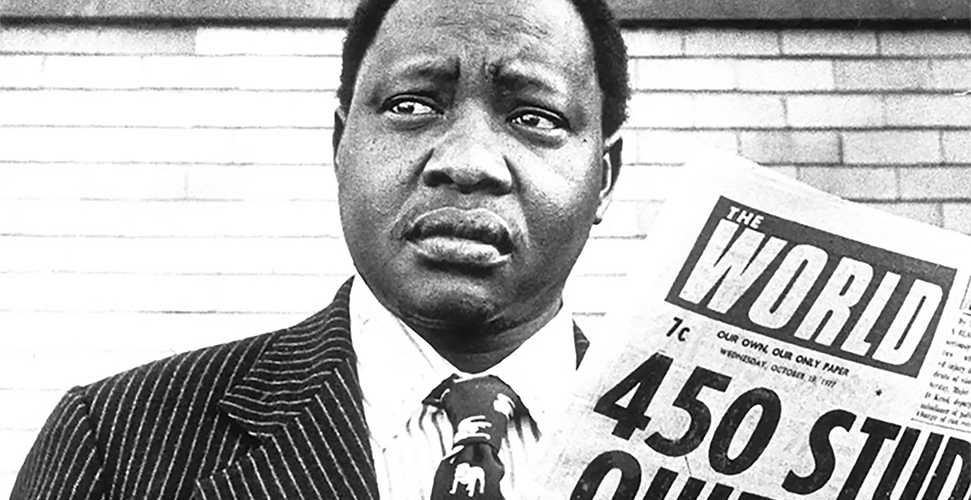
At the time of the uprising, I was a young, rising sports journalist at The World which was a daily and its sister publication, Weekend World, which came out on Sundays.
My beat was football (soccer) and boxing. Both publications were the country’s biggest selling newspapers among Black readers. Football and boxing were the mainstay of the newspapers.
Sports journalists, especially those writing about big clubs such as Orlando Pirates, Moroka Swallows Big XV and Kaizer Chiefs, were considered the “rock stars” of the profession. Boxing was the second most popular sporting code among Blacks.
For some inexplicable reasons, when I started in the profession, I found that some of the most gifted sports writers were boxing scribes.
Hard news reporting played second fiddle to football and boxing. All this changed overnight following the uprisings. Student protests soon spread all over Black townships throughout the country.
Suddenly, news reporters – especially those writing about political issues – overthrew those of us who were in sports in the popularity stakes. They were considered more relevant in the eyes of politicians.
The World, in particular, had to respond to these developments. With the charismatic Percy Qoboza at the helm as editor, student leaders and civic association activists found a willing platform in both The World and Weekend World.
Even newspapers which catered predominantly to a White readership such as the now-defunct Rand Daily Mail and the more conservative The Star had to adapt to the changes brought about by the students.
The liberal leaning Rand Daily Mail and The Star had very few Black journalists employed full-time. For stories about Blacks, these newspapers used freelancers. To get the authentic voice of Black people, they were forced by circumstances to employ more Black journalists, especially those who commanded respect in their communities.
The events that unfolded on that tragedy-filled day are deeply etched in my memory. It was a balmy Wednesday morning. I had taken my usual day-off. While seated on the stoep of my home started to observe an unusual activity of students passing by. They were in groups and too many. It was already after eight o’clock the time they should be in the classes.
They were all in school uniforms but surprisingly carried no school bags. Instead they carried placards reading “Away with Afrikaans”. This was soon to be the rallying call-cum-battle-cry of students all over the country.
I learnt later that these students who were all in a buoyant mood were descending on nearby Morris Isaacson. This was going to be the meeting point of students from surrounding townships such as White City, Central Western Jabavu, Mofolo, Molapo and Rockville.
Given the great rapport that existed between the student leadership and Black journalists, my colleagues were aware that something big was going to happen on that fateful Wednesday.
Actually the signs were there.
There was frenetic activity by the student leaders. Tsietsi Mashinini who became the face of this revolution as President of the Soweto Students Representative Council was a regular visitor to our offices in Industria West, which is west of Johannesburg.
There’s no denying that this uprising laid the solid foundation for the political breakthrough that came in 1990.
Before the events of June 16 1976, the main political parties which were pursuing the liberation struggle were moribund.
Mashinini lived a lot closer to Morris Isaacson. in Central Western Jabavu. Although his home was not that far from mine, I did not know him then until his visits to our offices.
There’s no denying that this uprising laid the solid foundation for the political breakthrough that came in 1990.
Before the events of June 16 1976, the main political parties which were pursuing the liberation struggle were moribund.
Both the African National Congress and Pan Africanist Congress had their military wings revived by the arrival of the students who fled the country to join the two exiled movements.
Here at home, the overt political struggle was carried out the Black Consciousness Movement and its various fraternal organisations.
It is no exaggeration that the student uprisings were inspired by the teachings and leadership of the Black Consciousness Movement.
The military wings of the ANC and PAC launched some daring attacks against the apartheid regime and both parties finally managed to convince Western powers to impose economic sanctions against the country.
The combined effects of military attacks, political isolation and economic sanctions forced the ruling National Party to unban these two parties, which were banned soon after the 1960 Sharpeville massacre as well as BCM formations, which had been prescribed in 1977, the release of political prisoners and negotiate a new political order.
Given the seminal role brought about by the actions of these students, one of the questions being constantly asked is whether their sacrifices achieved their objectives.
There is no gainsaying that the sacrifices by the students such as Pieterson and thousands of others, who died either during the uprisings or in the attacks that the Boers against them while in exile in the neighbouring states such as Lesotho, Botswana, eSwatini or Angola, were not in vain.
It is their sacrifices which broke the back of apartheid.
But it is also sad, if not tragic that the gains of their sacrifices are being frittered away everyday by misgovernance and industrial-scale corruption by the ruling ABC elite.
Our education system has regressed. If Bantu education was bad and triggered the uprising, many education experts aver that what has come to replace it is not much better.
Official reports reveal that many of our pupils at primary level are unable to read with comprehension. The dropout rate before completion of high school learning is alarming. It is equally bad at tertiary level.
There’s a raging controversy about the matric-pass threshold. Some education experts claim that this has been lowered to 30 percent. The government denies this.
Whatever the matric pass level is, there is no denying the standard of our education has declined.
Again, there is no denying that we have a Black government since 1994. But the high levels of un- employment and deepening poverty among our people, especially among the youth, have forced some in our communities to ask whether the sacrifices made by the students of the June 16 1976 generation have not been in vain.
I would be remiss, in the most egregious and unpardonable way, if I did not mention the following writers and cameramen who played a pivotal role in making the country and the rest of the world know about this uprising.
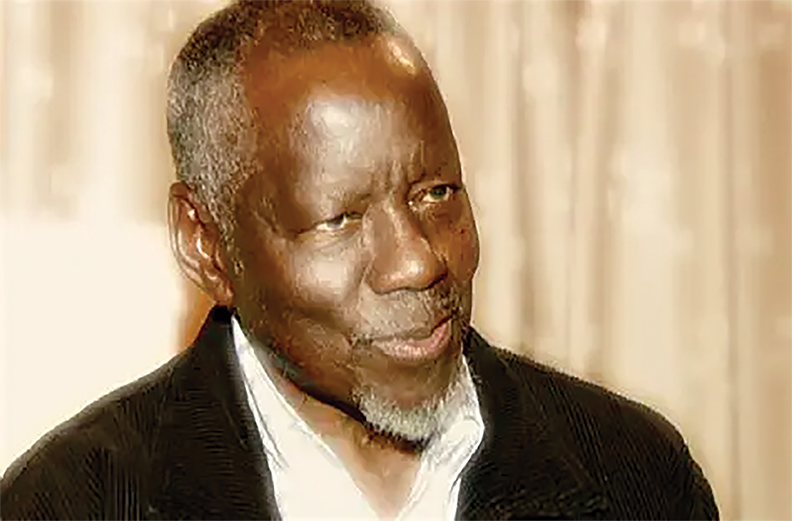
The late Joe Latakgomo, who was the acting editor at The World when the uprising started. Qoboza arrived back in the country from a sabbatical as a Nieman Fellow on the very day that the protests started.
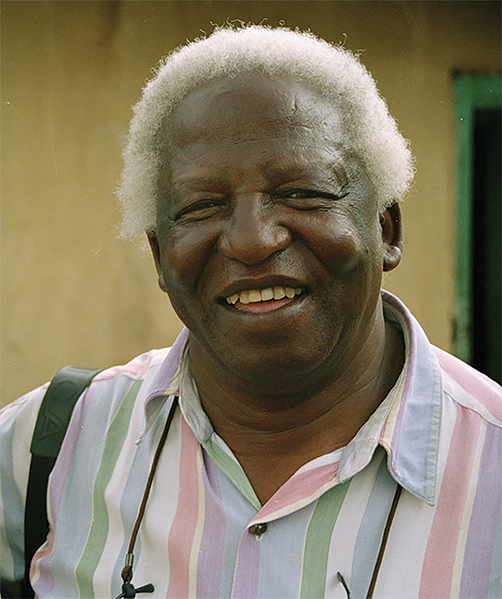
Colleague, friend and neighbour Willie Bokala. Gabu Tugwana, Duma Ndlovu, Sophie Tema, Nzima (of course), Len Khumalo, Alf Khumalo, Absy Mnisi, , Peter Magubane, Kosini Willie Nkosi…….
Some of these journalists paid a heavy price. Bokala was detained three times. The first time for 14 days, then three months and then 19 months. The World Chief Photographer Moffat Zungu served seven years on Robben Island for PAC activities, which included helping the youth to flee the country into exile.
Tugwana was also detained. Ndlovu fled into exile, and so did Nat Serache, Mateu Nonyane and Enoch Duma.
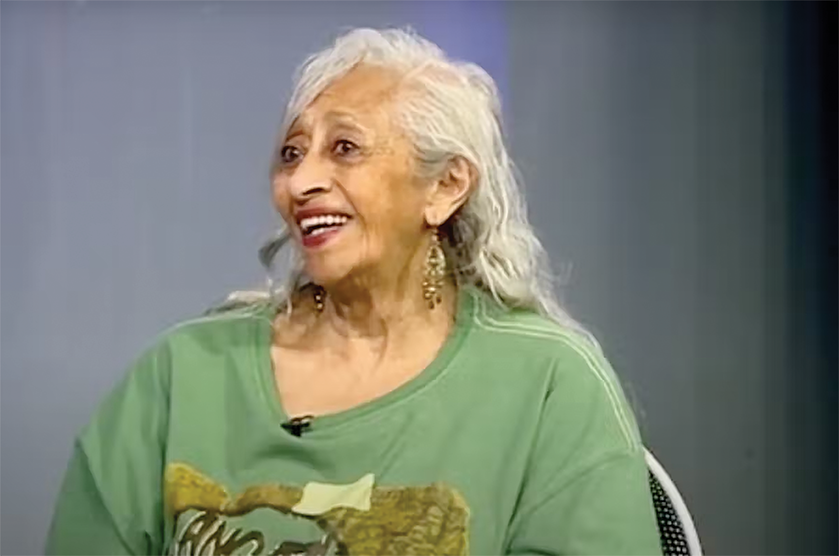
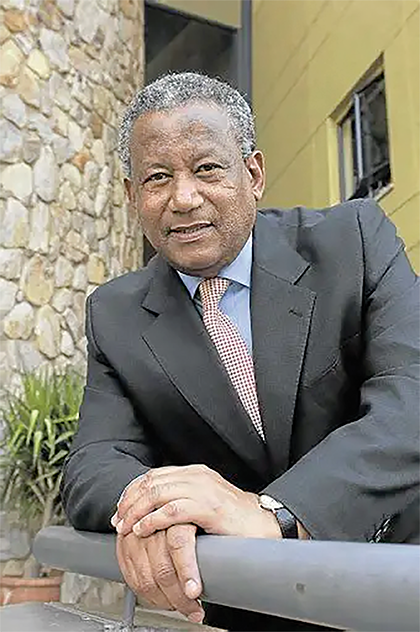
In September 1977, The World and Weekend World were banned. Journalists Phil Mtimkulu, Joe Thloloe, Juby Mayet and Zwelakhe Sisulu were banned.
Several organisations mostly those associated with the Black Consciousness Movement were also banned. These actions were linked to the students’ uprisings of the previous year.
Sekola Sello is a veteran journalist and regular contributor of Weekly SA Mirror, for which he writes a column As I See It, which will not be appearing for some time as he has gone on a sabbatical to write a book