 WeeklySA_Admin
HISTORY: While the nation remembers the students who marched in Soweto, George Tyamzashe argues that the sacrifices of the Bethal 18 and the PAC underground remain an essential, yet neglected, chapter of the liberation struggle…
By George Tyamzashe
As South Africa reflects on the 48th anniversary of the June 16 1976 Soweto Student Uprising, it is imperative to shine a light on a lesser-known – yet significant – event that epitomises the ruthless tactics employed by the apartheid regime to stifle dissent and suppress the voices of those advocating for freedom.
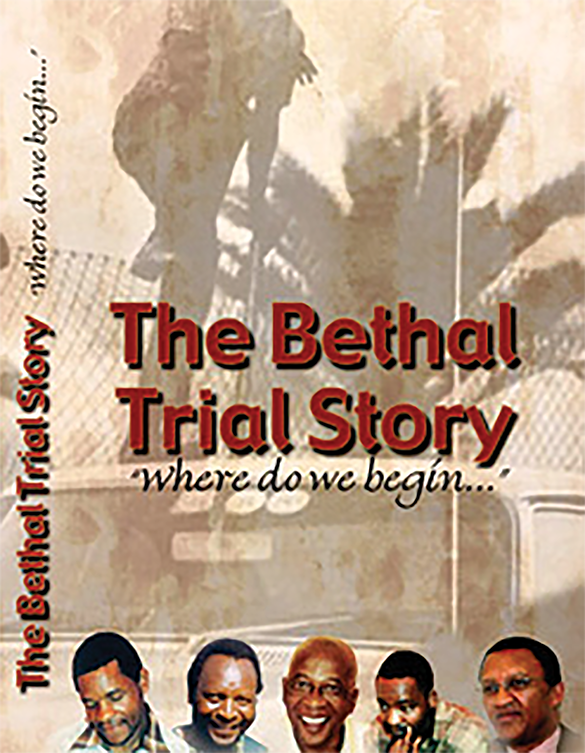
The Bethal 18 Trial stands as a chilling reminder of the lengths to which the government of the time would go to silence opposition.
The Bethal 18 Trial, which began in December 1977 and continued over 100 court sessions, resumed on March 7 1978 in Bethal.
This trial was held in camera, behind closed doors, with no media access against Zephaniah Mothopeng and 17 co-accused, all members of the Pan Africanist Congress of Azania (PAC). The government’s decision to conduct the trial in camera was a deliberate attempt to prevent the public from learning about the objectives of the struggle led by the then banned PAC.
Lest we forget the struggles of the past,
we risk repeating the injustices of history…
The Bethal 18 Trial, had a significant impact on the struggle in South Africa. It was aimed to intimidate and instil fear in those who opposed the apartheid regime and sought to weaken resistance and undermine efforts to bring about change in South Africa. It exemplified the government’s tactic of criminalising political activism and dissent.
The political leaders involved in the trial were portrayed as threats to national security and accused of attempting to overthrow the apartheid regime. This strategy was used to justify the harsh treatment, imprisonment and persecution of political leaders.
Lest we forget the deaths in detention of the four individuals awaiting prosecution, namely Naboth Ntshuntsha, Samuel Malinga, Aaron Khoza, and Sipho Bonaventura Malaza, who died in police custody under suspicious circumstances.
These tragic events served as a stark reminder of the risks and dangers faced by those who stood up against the apartheid regime. The intimidation tactics used during the trial were to instil fear in the hearts of the trialists, who were arrested and charged with various crimes, including sabotage and treason.
One of the survivors of the brutal treatment during the trial was the late Vusumzi Johnson Nyathi, who was accused No. 14, who miraculously survived death after being thrown from a four-storey security police building in Krugersdorp during an interrogation session. Despite suffering spinal injuries, Nyathi was later charged and found guilty of attempting to escape from custody, highlighting the harsh realities faced by those who dared to challenge the apartheid regime.
Despite the oppressive tactics employed during the Bethal Trial, the struggle in South Africa (colonial name of Azania), the trial served, not only to galvanise resistance, but also showcased the bravery and sacrifice of those who refused to be silenced in the pursuit of freedom and the return of our land.
According to the late former PAC president Dr Motsoko Pheko: “The Soweto Uprising of June 16, 1976 did not just drop from the sky. The Black students of South Africa did not wake up one day and begin resisting Bantu Education. The uprising was carefully organised and led secretly by leaders of the underground political movement, most of them militants of the banned Pan Africanist Congress of Azania”.
It is essential to resist any attempts to distort the history of our struggle for freedom in Azania. June 16 was not just a spontaneous reaction, but a planned mass action by students mentored and guided by leaders of the PAC and the Black Consciousness Movement.
This particular trial was part of a broader effort by the apartheid government to distort the history of our struggle against the apartheid regime.
By holding the trial in secret and manipulating the narrative, the government aimed to portray activists as criminals and terrorists rather than as freedom fighters.
The Bethal trialists were:
1. Zephania Mothopeng (65), founder member of the PAC sentenced to 30 years ordered to run concurrently.
2. John Ganya (48), a mineworker and senior cadre of the PAC underground who was involved in the clandestine activities of the organisation. He was sentenced to 11 years’ imprisonment.
3. Mark Shinners (37), a PAC leader and strategist based in Pretoria, who was sentenced to 12 years.
4. Bennie Ntoele (38). a PAC leader and underground operative in Mamelodi, who was sentenced to 10 years’ imprisonment.
5. Hamilton Keke (42), a PAC leader in the Border area of the Eastern Cape who was acquitted and immediately left for exile.
6. Sithembele Khala (24) – A member of the Soweto Student Representative Council (SSRC) and a PAC operative of the PAC underground unit. He was sentenced to seven years’ imprisonment.
7. Alfred Ntshalintshali (47), a Swaziland national and taxi driver. Ntshalintshali, despite not being a South African citizen, was involved in the anti-apartheid struggle. He was also acquitted.
8. Julius Landingwe (30), a Black Consciousness leader and organiser of the National African Youth Organization. Landingwe was sentenced to eight years’ imprisonment.
9. Zolile Ghost Ndindwa (26), a Cape Town-based Black Consciousness leader. Ndindwa was sentenced to seven years’ imprisonment.
10. Moffat Zungu (28), chief photographer at The World newspaper. Zungu was sentenced to seven years’ imprisonment.
11. Mhlophe Goodwill Moni (24), a student leader in the Western Cape and PAC operative. Moni was sentenced to seven years’ imprisonment.
12. Jerome Kodisang (26), an APLA guerrilla trained in Uganda, Sudan, Egypt, and Libya. Kodisang was sentenced to seven years’ imprisonment.
13. Sello Mike Matsobane (36), a PAC leader and founder of the Young African Religious Movement, who was sentenced to 15 years
14. Johnson Nyathi (32) – long-standing PAC operative and Kagiso community leader, was sentenced to 10 years’ imprisonment plus one year for attempted escape after being pushed from the 4th floor during interrogation.
15. Themba Hlatswayo (21), chairperson of the SRC in Kagiso and PAC underground operative who was sentenced to eight years imprisonment.
16. Molatlhegi Tlhale (22), a student representative council leader in Kagiso sentenced to 8 years’ imprisonment.
17. Rodney Tsholetsane (20), a student leader in Kagiso sentenced to five years’ imprisonment.
18. Daniel Bizza Matsobane (31), a SASO member and adult literacy head at Wilgespruit Fellowship Centre sentenced to 12 years’ imprisonment.
Following their sentencing, Mothopeng said in court: “We approach prison with full certainty that freedom is at hand. In this, we are supported by the knowledge that thousands and thousands of the black people in the country are working hard and are willing to sacrifice everything to achieve it. We will soon be walking out of bondage into free Azania…”
As we commemorate the June 16 1976 Soweto Students Uprisings, let us not forget the sacrifices made by those who fought for freedom in the face of adversity.
Lest we forget the struggles of the past, we risk repeating the injustices of history. Let us honour the memory of those prisoners of conscience who dared to oppose apartheid, who stood up against tyranny and injustice. Remember June 16…
The author of this republished article, Xola Tyamzashe, is a former child soldier and member of the Azanian People’s Liberation Army, the military wing of the PAC