 WeeklySA_Admin
STRAINED: More than 50 000 migrants have left South Africa, abandoning homes, livelihoods and decades of hard work as neighbouring countries race to receive thousands of traumatised returnees fleeing a new wave of immigration violence…
By Own Correspondents and WSAM Reporters
What began as isolated anti-immigrant attacks has escalated into one of Southern Africa’s largest forced population movements in recent years, with more than 50 000 migrants fleeing South Africa amid a wave of immigration violence that has claimed lives, destroyed livelihoods and strained relations with neighbouring countries.
At the centre of the humanitarian crisis is a temporary repatriation camp outside Musina in Limpopo, where thousands of frightened migrants wait for buses to take them home after abandoning almost everything they own.
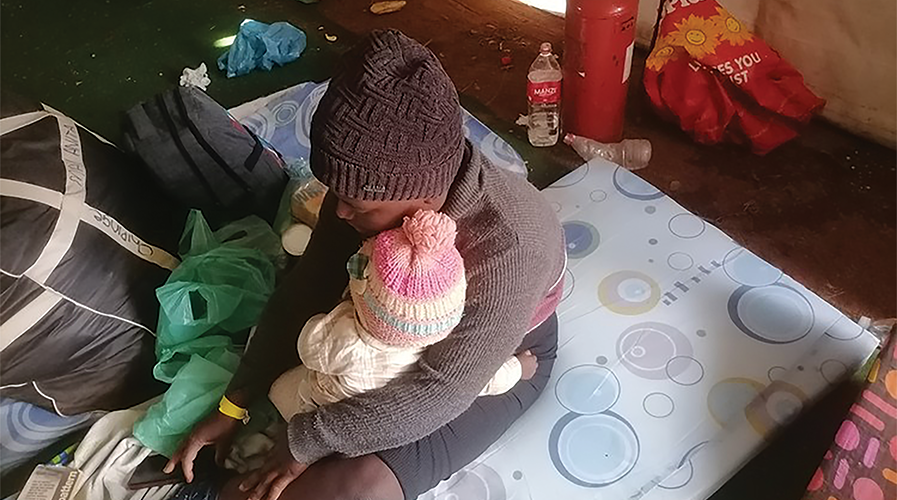
Families who spent years building lives in South Africa are now sleeping shoulder-to-shoulder inside canvas tents, surviving on donated meals and waiting for travel documents that will carry them back to countries many never imagined they would return to under such circumstances.
“I have a sore throat and my baby is also not well,” Nyaradzai, a Zimbabwean mother from Chipinge, as she cradled her child outside one of the tents, told GroundUp
“There is dust everywhere and we are sleeping on foam mattresses inside tents. I am sure my child is sick because of these conditions.”
I left my refrigerator, my beds and everything I worked for. I am just
happy to be going home alive. Property can be replaced…
– Ntombinkosi Nkomo, Zimbabwean returnee
Her husband queued nearby for immigration processing while she waited in the winter sun with their child. The family had survived on piece jobs in Lephalale before deciding to leave after receiving threats linked to the anti-foreigner violence.
The Border Management Authority says about 38 000 migrants have already passed through the Musina repatriation centre since it opened on June 26. Most are Zimbabwean and Malawian nationals, while thousands more have crossed through other border posts.
The exodus has become a regional emergency.
Mozambique has confirmed receiving more than 1 360 returning citizens, while over 6 100 Malawians have travelled through the country on their way home. Uganda has airlifted more than 420 nationals from South Africa after weeks of escalating violence against foreign nationals.
Behind those numbers are thousands of personal tragedies.
Ntombinkosi Nkomo, who had worked on farms near Robertson in the Western Cape, left almost every possession she had accumulated over the years.
“I left my refrigerator, my beds and many other belongings,” she said. “I am just happy to be going home alive. Property can be replaced. Maybe one day I will come back when things are calm.”
Her story is echoed throughout the Musina camp, where families speak of furniture abandoned in rented homes, businesses left behind overnight and savings wiped out in a desperate race to escape.
Rashid Ochi, a Malawian who had lived in Gqeberha for seven years, said he fled with only a blanket and a small bag of clothes. “I had no time to pack,” he said.
Others say transport operators refused to load bulky household goods, while many entrusted their belongings to friends in the hope they may one day return to collect them.
Conditions inside the repatriation camp have added another layer of hardship.
Although boreholes, mobile toilets and emergency tents have been erected, families complain of overcrowding, dust and inadequate washing facilities. Mothers say young children are becoming ill after days without proper bathing facilities.
Aid organisations have stepped in to fill the gaps.
Gift of the Givers says it has already served around 20 000 hot meals in just one week while also distributing fruit, bottled water, blankets, toiletries and baby supplies.
“We will continue feeding people until everyone has been processed,” said liaison officer Clifford Mabe.
The violence has also turned deadly.
Mozambique this week confirmed two more of its citizens were killed during attacks in Primrose, Germiston, bringing the number of Mozambicans killed in the latest unrest to 11. Dozens more have been displaced after armed groups forced them from their homes, while Mozambican diplomatic missions continue assisting injured survivors and repatriating victims’ bodies.
Faced with the sudden influx of returnees, neighbouring governments are now trying to absorb thousands of workers who previously contributed to South Africa’s economy.
Mozambique has begun mapping the skills of those returning, identifying hundreds of bricklayers, artisans, domestic workers, painters, electricians and plumbers for possible employment in domestic infrastructure projects and overseas labour programmes.
Uganda has also pledged reintegration support through agricultural projects and savings cooperatives for citizens forced to return.
The latest violence has once again thrust South Africa’ wave anti-illegal migration protests into the international spotlight.
For decades the country has attracted migrants seeking work and refuge, but repeated outbreaks of anti-foreigner violence have undermined its image as a regional leader and exposed persistent tensions over unemployment, crime and access to public services.
While Parliament’s Portfolio Committee on Home Affairs says the repatriation process at Musina is progressing smoothly, the humanitarian operation offers little comfort to families whose South African dreams have ended in fear.
Many are leaving with nothing more than the clothes they are wearing.
What they are taking home instead are memories of lives interrupted, communities fractured and futures suddenly rewritten by violence. – GroundUp/Lusa/WSAM