 WeeklySA_Admin
CUSTOM: As dozens of initiates die each year, first-hand reporting from an Eastern Cape initiation school reveals the demanding role of traditional nurses, whose care, discipline and vigilance can mean the difference between life and death…
By Tembile Sgqolana
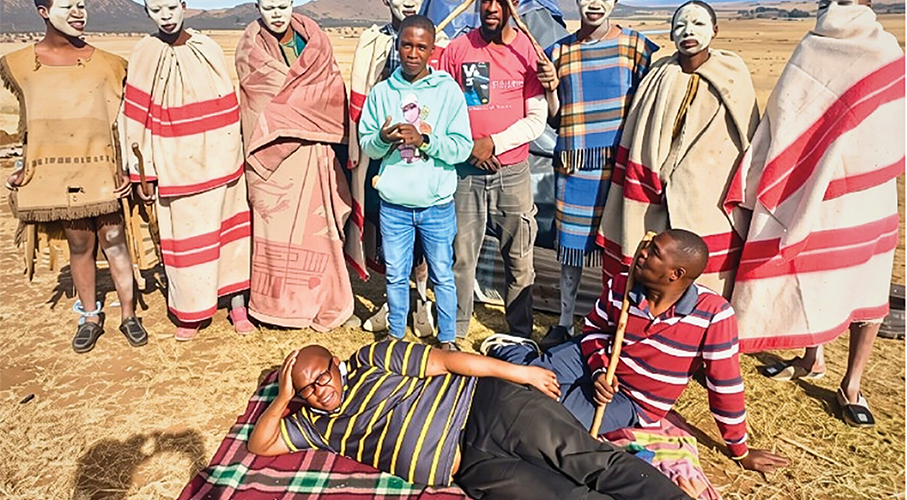
For five weeks this winter, Health-e News freelance contributor Tembile Sgqolana regularly visited an initiation school in Komani, Eastern Cape, where his son was undergoing ulwaluko.
The visits provided a rare insight into the demanding responsibilities of the amakhankatha—traditional nurses entrusted with caring for initiates throughout the process. The observations in this report relate to one initiation school.
The reporting comes against the backdrop of another deadly initiation season.
According to the Commission for the Promotion and Protection of the Rights of Cultural, Religious and Linguistic Communities (CRL Rights Commission), 43 initiates died during this year’s winter initiation season across several provinces.
Another 75 were hospitalised, while 180 were rescued from illegal initiation schools. Fourteen of the deaths occurred in the Eastern Cape.
The commission said more than 100 criminal cases were opened and at least 40 arrests made at illegal initiation schools during the season.
Last October, the Eastern Cape Department of Cooperative Governance and Traditional Affairs announced additional training for ingcibi (traditional surgeons) and amakhankatha in the OR Tambo and Alfred Nzo districts after identifying skills gaps. For thousands of young men who undergo traditional initiation each winter, their health and safety ultimately depend on the men responsible for caring for them every day.
More than wound care
At the Komani initiation school visited by Health-e News, the amakhankatha carried almost all the day-to-day responsibility for the initiates.
They monitored wounds, prepared meals, watched for signs of illness, remained with the initiates throughout the five-week process and provided discipline and guidance. The first eight days after circumcision—known as ifuku—are regarded as the most critical.
During this period, initiates remain inside their huts while their wounds begin to heal. “During the five weeks, the first week is the most serious because the traditional nurse is always in the hut with the initiate,” one ikhankatha told Health-e News. “They only leave briefly to speak with other traditional nurses or spend a few minutes around the fire.”
After the first eight days, initiates are allowed to visit others, but they remain under the close supervision of the traditional nurses.
Anele Tatiya, a traditional nurse, said the Eastern Cape Department of Health provides training before each initiation season.
“The training also focuses on hygiene, diet and the well-being of the initiate,” he said.
Chief Gwazinamba Matanzima, deputy chairperson of the Eastern Cape House of Traditional Leaders, said the health training has become an important part of preparing traditional nurses, although he believes it focuses too heavily on clinical aspects.
“They are trained by the Department of Health, but their syllabus is too clinical,” he said.
“Traditional nurses have a duty to take care of the wound.” Their responsibilities, however, extend well beyond physical care. “They must be counsellors, teachers, nurses and parents to the initiates.
“They are taught how to become protectors, care for their families and grow into responsible men,” Matanzima said. “Traditional nurses need to be mature men who can teach initiates about life—people they can trust with their feelings and problems.”
When things go wrong
South Africa’s Customary Initiation Act regulates traditional initiation and sets standards intended to improve safety and eliminate illegal practices.
But what happens at individual initiation schools often depends on the conduct and commitment of those responsible for caring for initiates each day. During the five weeks spent at the Komani initiation school, Health-e News observed some traditional nurses consuming alcohol while on duty. Parents were also seen bringing alcohol to traditional nurses.
Community members said that when parents are absent for extended periods, responsibility for the initiates rests almost entirely with the amakhankatha. In some cases, older initiates also assist in caring for younger boys.
The Eastern Cape Department of Health has repeatedly linked poor wound care, dehydration, malnutrition and inadequate supervision to many of the complications and deaths recorded during initiation seasons.
Chief Matanzima said the role of traditional nurses is central to preventing such tragedies. Yet, he insisted, their responsibility goes beyond ensuring initiates survive the process. “The aim of ulwaluko is to produce men of character, discipline and responsibility,” he said.
“But character is caught, not taught. And boys catch it from the men who show up”. – Health-e News
The observations shared in this story is based on several visits over a five week period to one initiation school in Komani in the Eastern Cape.