 WeeklySA_Admin
LEGEND: A new exhibition at Johannesburg’s Apartheid Museum traces Dr John Kani’s remarkable journey from the rehearsal rooms of a Gqeberha township to international stages and Hollywood…
By WSAM Reporter
Few artists have shaped South African theatre—and used its stage to confront the country’s deepest injustices—as profoundly as Dr John Kani.
The Apartheid Museum will honour the internationally acclaimed actor, playwright, director and cultural activist with an exhibition celebrating his six decades of performance, playwriting and commitment to social justice.
Titled John Kani: A Living Legend, the exhibition will run at the Johannesburg museum from August 30 to November 30, 2026.
Through photographs, texts, artefacts and film, it will revisit defining moments in a career that began in the rehearsal rooms of New Brighton in Gqeberha and eventually carried Kani to some of the world’s most prestigious stages and Hollywood studios.
The exhibition also explores the ideas that have shaped Kani’s life both on and off the stage, including his enduring concern with inequality, democracy and the unfinished work of reconciliation in South Africa.
Kani’s connection to the Apartheid Museum stretches back more than 25 years. As chairman of its Board of Trustees, he has helped guide an institution whose mandate closely mirrors the themes explored in his plays: memory, oppression, resistance, freedom and the responsibilities that come with democracy.
His leadership at the museum has unfolded alongside his development as a playwright examining the shortcomings of South Africa’s democratic transition and the persistent inequalities that continue to divide the country.
Born in the township of New Brighton in 1943, Kani began experimenting with acting while still at high school.
His understanding of theatre changed dramatically in 1965 when he encountered the Serpent Players, an amateur theatre group established in New Brighton during the early 1960s.
The group collaborated closely with celebrated playwright Athol Fugard and gradually moved away from performing classical works to creating theatre rooted in the experiences of black South Africans under apartheid.
A decisive moment came with the arrest of Serpent Players actor Norman Ntshinga in 1965, shortly before the group was due to perform Sophocles’ Antigone. The incident profoundly influenced Kani, Winston Ntshona and Fugard as they later workshopped The Island.
Inspired partly by the experiences of political prisoners on Robben Island, the two-hander featured Kani and Ntshona as inmates rehearsing Antigone inside their prison cell.
Its powerful exploration of political repression, resistance and human dignity made it one of the most important works of South African protest theatre.
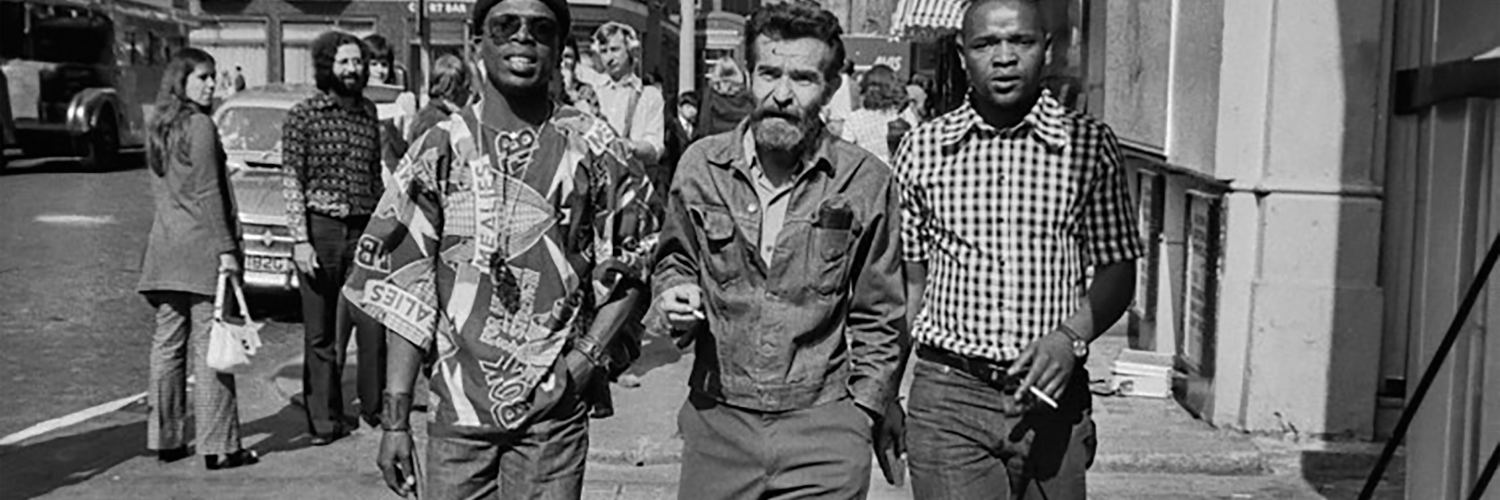
Kani and Ntshona took the production to England in 1973, beginning a historic international run that propelled the two actors to global prominence. Their performances established them as towering figures in protest theatre and demonstrated the power of the stage to expose the brutality of apartheid to audiences beyond South Africa’s borders.
Kani subsequently built a distinguished career spanning theatre, film and television. Alongside his creative work, he assumed leadership roles in several cultural institutions, helping to nurture emerging talent and expand opportunities for South African performers.
He served in leadership at the Market Theatre Laboratory and was the founding chairman of the National Arts Council from 1996 to 2004. His continuing involvement with the Apartheid Museum reflects his belief that building a thriving post-apartheid society requires vigilance, commitment and institutions capable of preserving the country’s history.
That commitment has also been evident in his determination to strengthen South Africa’s creative industries and ensure that local stories are told by local artists.
“We need to create vibrant film, television and theatre industries so that we do not look up to Hollywood as the only solution for our dreams and the only way our stories can be told,” Kani told American Repertory Theatre artistic director Robert Woodruff in 2004.
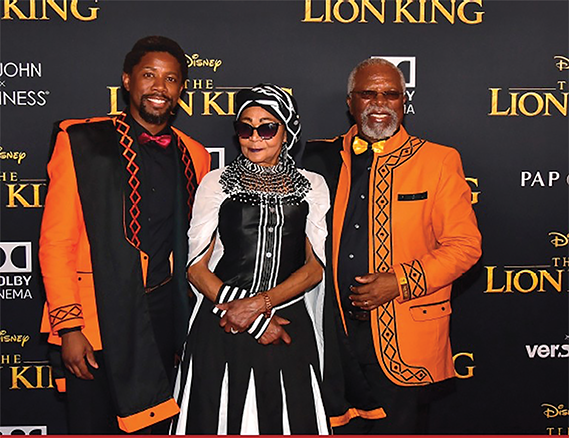
His own career would later extend to major international screen productions, including Marvel’s Black Panther and Disney’s The Lion King. Yet, despite his global success, Kani has remained firmly invested in South African theatre and in mentoring a new generation of performers.
The exhibition places that international recognition within the broader story of an artist who often worked at great personal cost and who never abandoned his belief in the performing arts as a vehicle for truth, reflection and social change.
By celebrating Kani, the Apartheid Museum is also recognising the generations of South African artists who used theatre to resist apartheid, preserve human dignity and imagine a different country.
John Kani: A Living Legend will be on display at the Apartheid Museum from August 30 to November 30. The museum is open from Wednesday to Sunday and on public holidays, from 9am to 5pm.