 WeeklySA_Admin
SYMBOL: The pioneering showjumper rose from apartheid-era Alexandra to international competition, then devoted his life to opening equestrian sport to generations of township children…
By Len Maseko
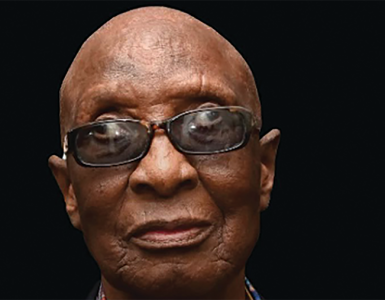
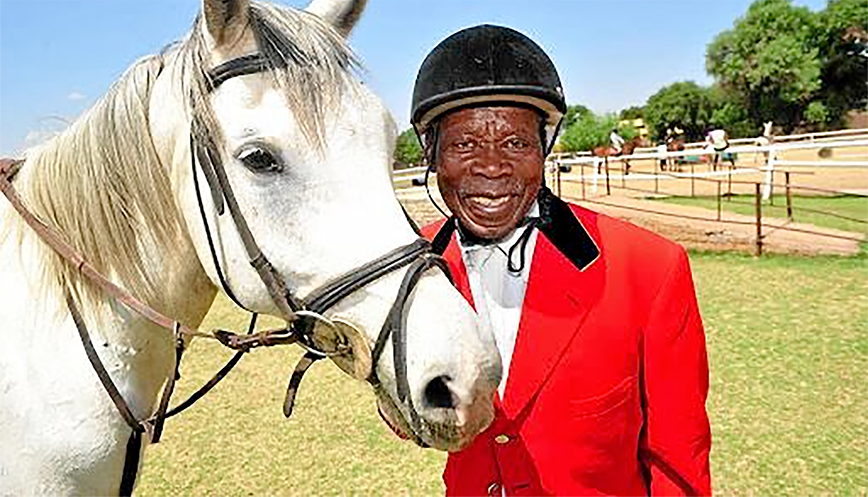
South African equestrian legend Enos Mafokate, whose passing at the age of 82 was announced by his family yesterday, was a trailblazing showjumper affectionately known as Kgosi ya Dipere — The King of Horses – in the townships.
His family described the Mafokate patriarch as a devoted husband, father, grandfather, great-grandfather and mentor whose presence, wisdom and strength shaped their lives.
For the wider sporting world, Mafokate was much more than a decorated rider. He was a pioneer who confronted the racial boundaries of apartheid-era sport, carried South African showjumping talent onto the international stage and spent decades ensuring that young Black riders would encounter opportunities that had once been denied to him.
Kgosi ya Dipere may have taken his final ride, but the trail he cleared
for generations of young riders will endure…
Born in Alexandra Township, Johannesburg, on February 15 1944, Mafokate came of age in a country whose sporting structures were defined by racial exclusion. Equestrian sport, in particular, remained largely inaccessible to Black South Africans, with limited facilities, training and competitive opportunities.
Yet, his natural connection with horses and exceptional riding ability could not be contained by the system around him. His path from working with horses to becoming an internationally recognised showjumper was aided by leading figures who saw his talent and supported him at decisive moments.
The family singled out Lesley Taylor, Tony Lewis, and Anneli and Errol Wucherpfennig among those who formed an important part of his journey. British showjumping great David Broome also helped open the door to international opportunities.
A particular and most cherished highlight, often shared with glee and pride by Mafokate, was a long-time cordial relationship he enjoyed with the British royal family, especially with the late Queen Elizabeth, who he credited for having once intervened on his behalf to compete in an international championship. On her visit to South Africa in the early 2 000s, Princess Anne made time to visit the legend at the Soweto centre.
Of this special relationship, the showjumper legend one memory stood out of all close interactions with the royal family – and that was “was greeting the Queen with a hug” at Buckingham Palace. A rare and protocol-breaking moment that always warmed the cockles of his heart whenever recalled with strangers and tourists visiting his Soweto Equestrian Centre.
Those interventions mattered in a period when recognition alone did not guarantee a Black rider access to competition. Mafokate’s rise therefore became a story of individual brilliance, persistence and the power of allies willing to challenge the racial restrictions of their time. His international appearances established him as a formidable showjumper, but the deeper significance of his life emerged in what he chose to build for others.
Through the Soweto Equestrian Centre, Mafokate devoted himself to bringing horses and equestrian sport within reach of young people who might otherwise never have entered a stable, let alone imagined themselves competing. The centre became both a sporting institution and an instrument of social change.
He trained and mentored generations of young riders, helping to expand the presence of black youth in a sport that had historically excluded them. His work also reached children living with disabilities and embraced the welfare of horses in township communities, widening his legacy beyond medals and competition results.
In doing so, Mafokate transformed the horse from a symbol of privilege into a vehicle for confidence, discipline, healing and possibility. The opportunities he created outlived individual contests and placed his name at the heart of South Africa’s evolving equestrian history.
His contribution was recognised with major honours, including the Steve Tshwete Lifetime Achievement Award at the South African Sport Awards and the Andrew Mlangeni Green Jacket Award. Both acknowledged a career that joined sporting excellence to the work of breaking barriers and lifting others.
Notably, his death came too soon before his ultimate wish could be granted – to host a grand dinner in his honour, attended by the equestrian fraternity and especially by the individuals who assisted him from humble beginnings to his rise to stardom.
To fellow riders and the broader sporting community, he will be remembered as a champion, teacher and mentor. To his family, however, those public accolades tell only part of the story.
They mourn the man at the centre of their home: a husband and patriarch whose love, wisdom and strength carried the family through joy and profound sorrow. Mafokate had endured the deaths of two of his sons before his own passing, losses the family said he bore with remarkable fortitude.
The family said it was devastated by his death but immensely proud of the life he lived, the obstacles he overcame, the family he built and the legacy he leaves to future generations.
His passing closes an extraordinary chapter in South African sport, but the doors he forced open remain. Every young rider who discovers a place among horses because a township equestrian centre exists, and every athlete who refuses to accept that a sport belongs only to the privileged, carries something of Mafokate’s example forward.
The Mafokate family has thanked everyone who supported, honoured, worked alongside and loved him, and asked for understanding while it mourns. Memorial and funeral arrangements will be announced in due course.
Kgosi ya Dipere may have taken his final ride, but the trail he cleared will endure.