 WeeklySA_Admin
EXPRESSIONS: CVH Whiskies’ return to South Africa brings together a richly varied collection of single malts — but an elegant, maritime Bunnahabhain rekindles a memorable encounter from two decades ago…
By Len Maseko
There are whisky tastings that introduce unfamiliar expressions, and others that unexpectedly reunite you with an old favourite. A recent CVH Whiskies tasting at Bottega Italian Restaurant in Parkhurst, Johannesburg, managed to do both.
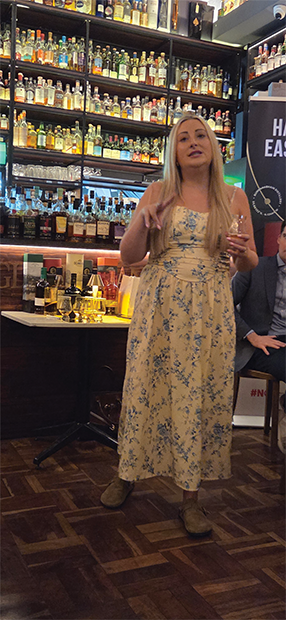
Conducted by CVH Whiskies Master Blender and Head of Spirit Supply Julieann Fernandez, the tasting traversed Scotland’s varied whisky landscape through Deanston Virgin Oak, Deanston 12-Year-Old, Bunnahabhain 12-Year-Old, Ledaig Sinclair and Tobermory 12-Year-Old.
Each dram presented its own combination of colour, aroma, flavour and finish. Together, they demonstrated how the character of a whisky is shaped not only by age, but also by its water source, distillation method, maturation, casks and the landscape surrounding its birthplace.
Rediscovering Bunnahabhain was like meeting an old acquaintance whose familiar character could now be appreciated with a more experienced palate…
The early-evening tasting was enhanced by Bottega’s mouth-watering dishes, thoughtfully paired with the whiskies. The food and spirits appeared to draw out the best in each other, creating a succession of flavours ranging from honeyed sweetness and creamy vanilla to spice, toasted nuts, ripe fruit, smoke and peat.
Fernandez proved a knowledgeable guide through these changing expressions. Having initially studied forensic science, she began her career applying analytical chemistry in whisky laboratories before discovering the sensory and creative side of the industry through tasting panels.
She joined CVH Spirits as a blender in 2017 and was promoted to Master Blender two years later, becoming one of the youngest people in the world to occupy that position. Today, she oversees the creation, quality and maturation strategies behind Bunnahabhain, Deanston, Tobermory, Ledaig, Scottish Leader and Black Bottle.
The Deanston expressions offered an inviting introduction. Produced at a distillery established in a former cotton mill beside Scotland’s River Teith, Deanston is recognised for a honeyed, waxy house style.
The Virgin Oak delivered a youthful vibrancy, with vanilla sweetness, spice and fresh oak combining in a lively, accessible dram. Its more mature sibling, the Deanston 12-Year-Old, showed greater composure and depth. Smooth, rounded and elegant, it unfolded with honeyed and fruity notes, gentle spice and a lingering warmth.
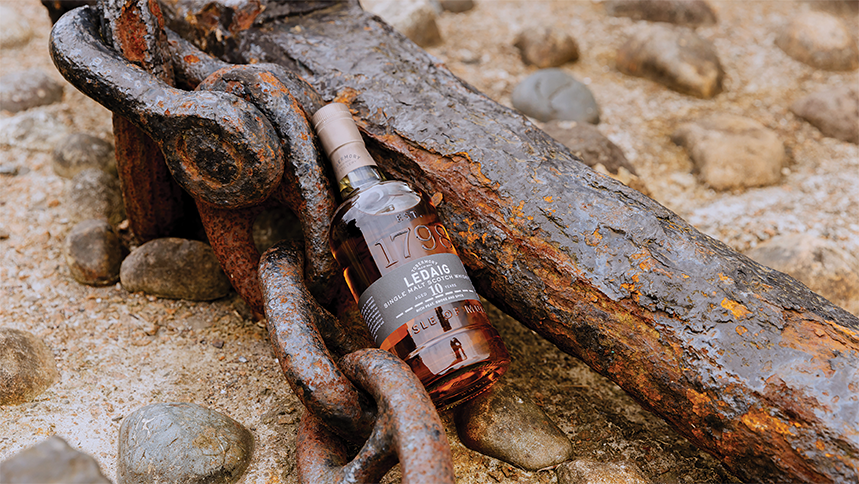
The journey then shifted to the Isle of Mull, where the Tobermory Distillery produces two strikingly different whiskies. Tobermory represents its unpeated personality, while Ledaig is its heavily peated and smoky alter ego.
Ledaig Sinclair was the more assertive of the pair, carrying the unmistakable presence of peat and smoke. Yet it was not simply about power. Beneath the smoky exterior lay layers of spice and sweetness that rewarded patient sipping.
Tobermory 12-Year-Old offered a brighter and more vibrant counterpoint. Its fruit-driven character, restrained sweetness and graceful finish demonstrated how two whiskies emerging from the same distillery can possess dramatically different identities. For me, however, the evening belonged to Bunnahabhain — pronounced “Bunn-na-ha-venn” — the premium single malt from the remote north-eastern coast of Islay.
The encounter was also personal. I had last tasted Bunnahabhain about 20 years ago, during the period when the brand formed part of the Distell stable. Rediscovering it in Parkhurst was like meeting an old acquaintance whose character had remained familiar but whose finer qualities could now be appreciated with a more experienced palate.
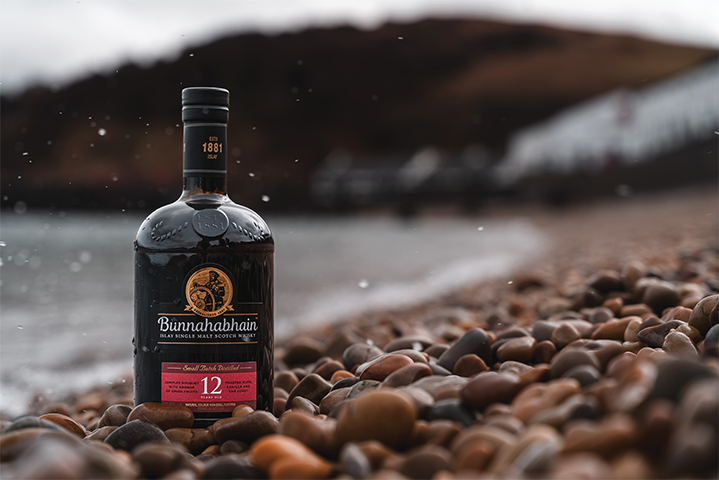
Founded in 1881, Bunnahabhain takes its name from the Scots Gaelic for “mouth of the river”. The distillery overlooks the Sound of Islay and draws its water from the mineral-rich Margadale Spring.
While Islay is famous for heavily peated whiskies, Bunnahabhain stands apart through its predominantly unpeated, sherry-influenced character. Its unusually tall pot stills and long swan necks encourage the creation of a lighter, more delicate spirit.
The 12-Year-Old shimmered with an attractive russet-gold appearance. Its aroma revealed ripe and dried fruit, delicate floral notes and toasted nuts. On the palate came fruit, nuttiness, creamy vanilla and caramel, followed by a gentle sweetness and a subtle touch of sea salt.
That maritime quality was never overpowering. Instead, it lingered quietly in the background, evoking the windswept coast on which the whisky was born. The finish was long, polished and satisfying — an elegant conclusion to a dram possessing both finesse and personality.
Bunnahabhain is non-chill filtered and bottled without added colour, allowing its natural appearance and flavour to remain intact. Its return to South Africa follows CVH Spirits’ establishment as an independent business in 2023 after Heineken acquired Distell.
Majority-owned by South African investment group Remgro, with Campari holding a minority interest, CVH operates in more than 60 markets. Its renewed local presence comes as the premium end of South Africa’s whisky category demonstrates resilience despite pressure on overall volumes.
The tasting showed why CVH’s portfolio is well-placed to appeal to discerning drinkers. These are not minor variations on a single house style, but distinctive whiskies catering for different palates across the broad Scottish flavour spectrum.
Bottega was an ideal setting for this exploration. With its extensive whisky selection, convivial atmosphere and accomplished food, the Parkhurst restaurant is an oasis waiting to be discovered by selective whisky lovers.
Yet, amid all the evening’s splendour, it was my reunion with Bunnahabhain that topped the experience. Seductive without being ostentatious, complex without becoming intimidating, it offered an opulent reminder that some whiskies do more than tantalise the palate: they revive memories.