

 WeeklySA_Admin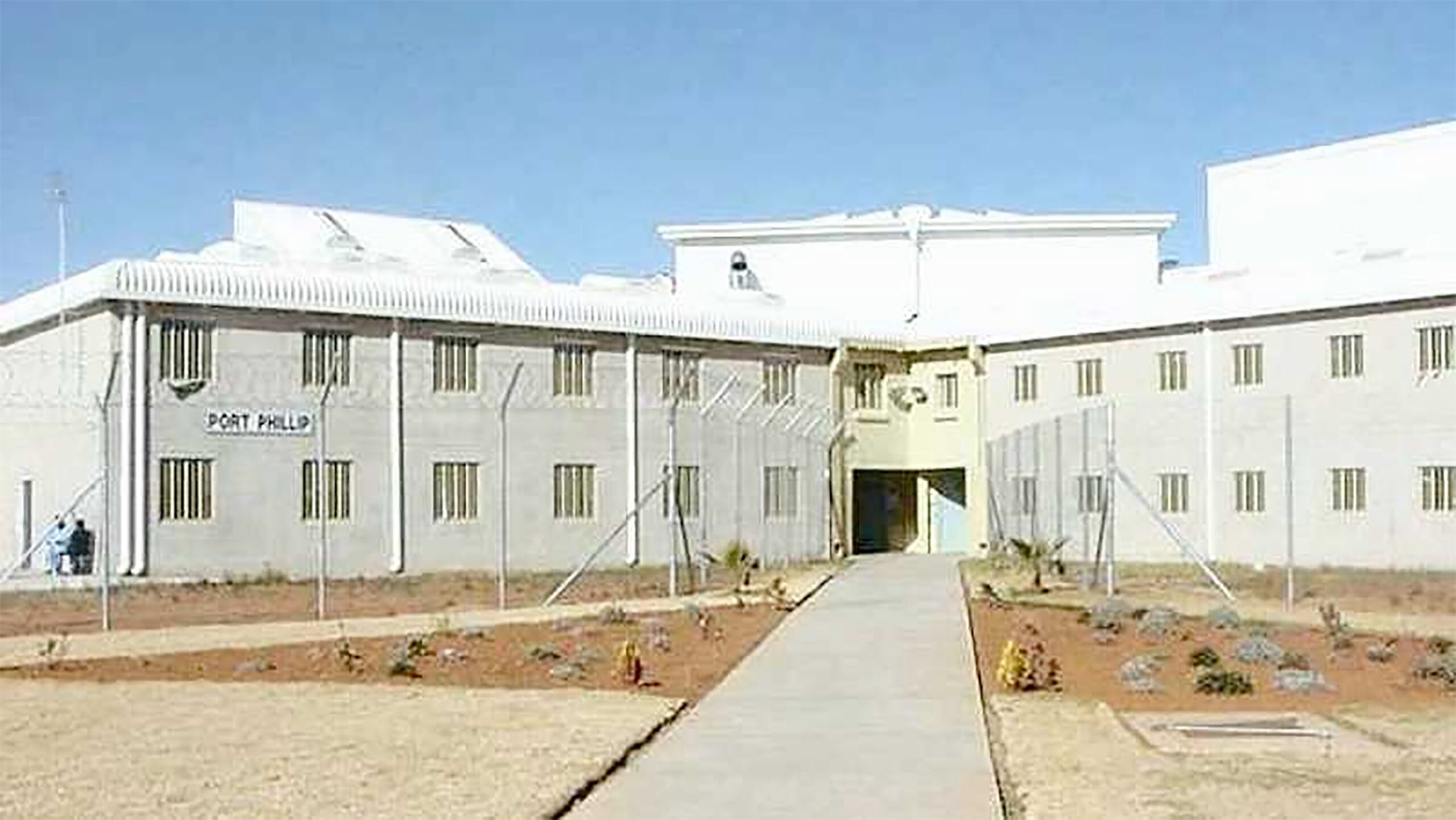
EXTRADITION: As police work with Tanzanian authorities to bring the fugitive couple back to South Africa, the Police and Prisons Civil Rights Union (POPCRU) has highlighted “the alarming risks” of using private prisons in this country…
By WSAM Reporter
The manhunt for convicted murderer and rapist Thabo Bester, who escaped from custody at the Mangaung Correctional Facility, has ended with his arrest and that of his lover and alleged partner-in-crime Dr Nandipha Magudumana today. The couple were recaptured in Tanzania earlier today together with a Mozambican national Zakaria Alberto.
Bester, also known as the Facebook rapist, escaped from the Mangaung Correctional Centre in Bloemfontein in May last year.
It was initially believed that he died in a fire in his cell, but DNA tests later confirmed that the body was not that of Bester.

SABC reported that Cele said cases of murder and escape from lawful custody were being investigated.
Police are working with Tanzanian authorities to bring them back to South Africa.
Meanwhile the Police and Prisons Civil Rights Union (POPCRU) has said Bester’s escape from the maximum-security prison operated by G4S in Bloemfontein once again highlighted the alarming risks of using private prisons in the country.
POPCRU president Zizamele Cebekhulu-Makhaza, said: “Government must sever ties with these private institutions, as they prioritise profits over public safety and rehabilitation.
This incident serves as irrefutable evidence that privately run prisons do not work, and that it is time for the state to fulfil its own constitutional responsibility to see to prisoners’ care, rehabilitation, and security rather than attempting to outsource its duties,” he says.
“Likewise, the public deserves answers about Bester’s escape and about the private companies currently involved in managing prisons.”
Two privately operated prisons in South Africa, the Mangaung Correctional Centre in Bloemfontein, and the Kutama Sinthumule Correctional Centre in Limpopo, are run by British security firm G4S and American company GEO Group respectively. These companies have 25-year contracts and receive billions of rand annually to manage the care of a small number of prisoners.
“Effectively this means that the Department of Correctional Services pays more than R400 per prisoner a day, which is not cost-effective – and raises serious questions regarding how and why these companies were first appointed,” he notes.

Additionally, using foreign companies to run prisons poses a security risk for the country, and means that prisoners are not rehabilitated according to South African cultural norms and values.
“The purpose of incarceration is not simply to punish offenders, but also to help them turn their lives around and reintegrate them into society as law-abiding citizens. This is why rehabilitation programmes which are aligned with our own values and culture are essential for assisting prisoners to re-enter South African communities,” he states.
“But overseas companies simply do not understand our unique challenges and cultural nuances, which means that they cannot successfully rehabilitate convicts back into society, leading to a higher rate of reoffending and crime.”
Finally, Cebekhulu-Makhaza noted that Bester’s escape raised several critical questions that must be addressed, emphasising that the department must thoroughly investigate the circumstances surrounding his flight such as how he ended up in the private facility, and how he escaped.
“Moreover, there is also the issue of an unidentified body found in Bester’s cell. The department needs to find out who this person was, how they ended up in the cell with Bester, and what role they may have played in his escape. These are critical questions which could shed light on who assisted Bester in escaping, and whether there is any potential corruption or fraud present in the private prison system”.
Ultimately, the Department of Correctional Services must revoke its contract with private foreign-owned companies and take over the facilities. It is the only way to ensure that prisoners are properly cared for and given access to programmes that will aid their rehabilitation.
“The primary focus of correctional facilities must be rehabilitation and public safety, not profits. The government needs to invest in improving rehabilitation programs that align with our unique African values and prioritise human rights,” said Cebekhulu-Makhaza.
Published on the 93rd Edition.