
 WeeklySA_Admin
IN ARTS AGENCIES – REPORT
MALFESEANCE: Report fingers politicisation of arts agencies’ board appointment and self-censorship by artists as reason for lack of growth in cultural sector
By Edward Tsumele
A much-awaited report into the arts and cultural sector commissioned by the Campaign for Free Expression has painted an unpalatable picture of control by fear, corruption, political meddling, nepotism and cronyism in the disbursing of grant funding to artists by the Depart of Arts and Culture and its agencies.
Titled “The State of Free Expression in the South African Cultural Sector: An Investigation”, the report fingers politicisation of the appointment of arts agencies’ boards and the prevalence of self-censorship in the arts ranks as grant depending and desperate artists attempt to protect their livelihoods as a stumbling block for the sector’s growth and thriving.
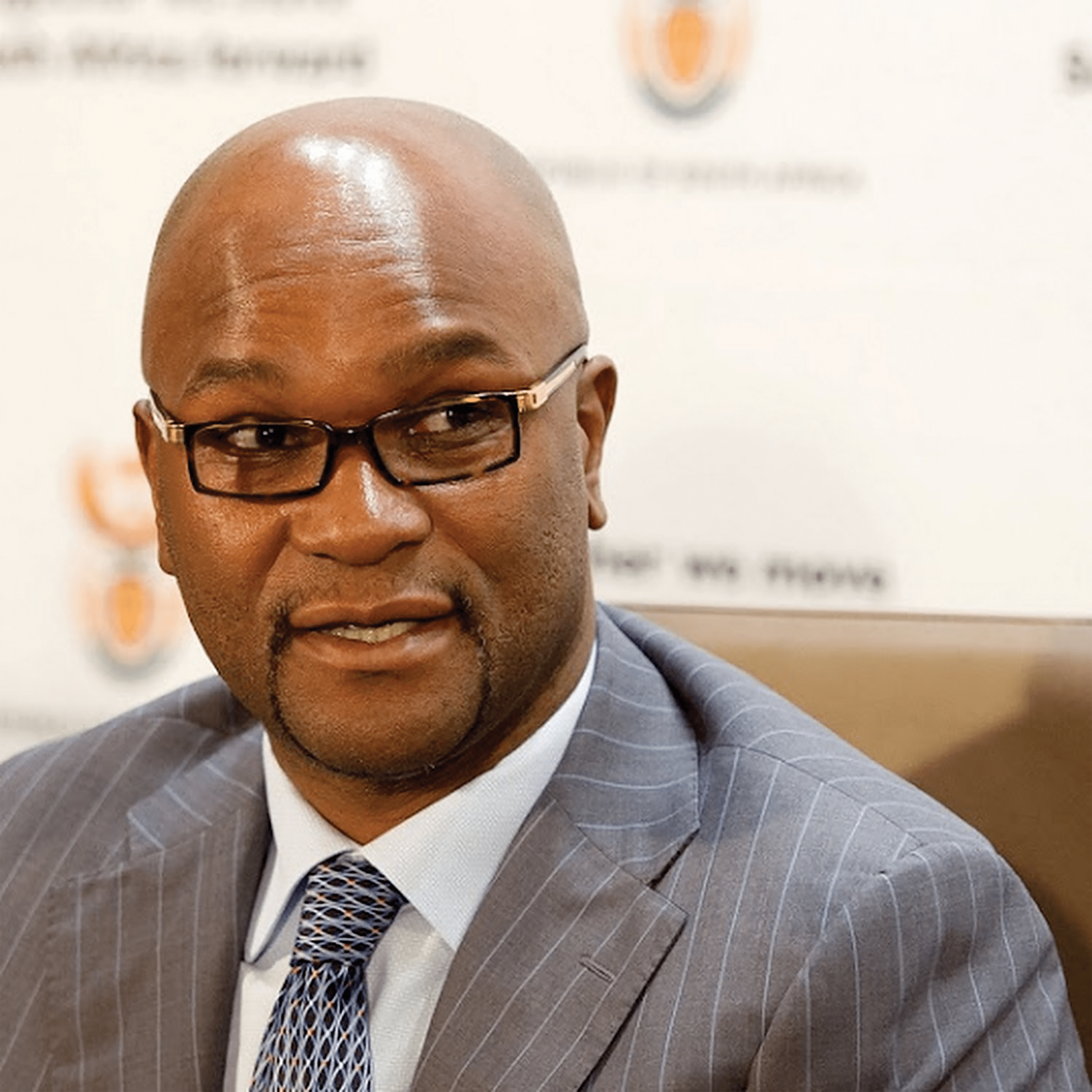
The report, released at the Wits Art Museum, is the first of its kind and largely tackles a string of artists’ grievances which largely flared during the tumultuous tenure of the departed Arts and Culture Minister Nathi Mthethwa, who has since been replaced by Zizi Kodwa after a Cabinet shuffle. It focuses mainly on the Department of Sport, Arts and Culture (DSAC) and the National Arts Council (NAC), especially zooming in on their grant making practices in relation to freedom of expression in the sector and their impact on funding.
In a nutshell, the report does not paint a good picture, with artists who were surveyed speaking of fear to voice out their grievances especially:
- When they were not happy with their funding application outcomes;
- How they constantly had to balance between the need to earn a living in a sector that depends pretty much on grants from government, by not rocking the boat, and the need to maintain artistic integrity;
- How their fate was pretty much decided by the DSAC and its grant making agencies such as the NAC and the National Film and Video Foundation as well as the National Lotteries Arts Distribution Agency which is controlled by another government department, among others, and;
- How the price of speaking out was fraught with risk and, in some instances, could result in targeting or one losing their job (in the case of staff). A case in point was that of performance artist, dancer and choreographer Memela Nyamza, who was only one of several such examples, where the consequences of speaking out carried a heavy price. In Nyamza’s case, she lost her job as deputy artistic director at South African State Theatre about four years ago “because I opened my mouth and said things I was not supposed to say,” she is quoted stating in the report.
“Nyamza’s sentiment is backed up by other interviewees, who believe that the politicisation of the boards leads to the appointment of unqualified people based on their proximity to the Minister and political power, and qualified people being ejected. They believe that board members and chairpersons are mostly selected and maintained in office because they more likely to be agreeable to the Minister,” states the report. a first report of its kind into the issues affecting freedom of expression in the sector.
“There is also an incentive for those without arts experience to become board members of arts funding agencies. This was highlighted by arts activist Mike Van Graan: Everybody is happy to be on a board because they get some kind of honorarium. It’s a bit of prestige and they don’t want to compromise their positions on the board. Many people have used their positions on boards to access public funding as well, which is not consistent with what the law says,” the report continues.
There also seemed to be instances where funding was funnelled away from cultural workers who needed it, and sometimes even out of the arts and culture sector altogether, the report revealed.
“It is supported by lawyers who worked with the Sustainable Theatre and Dance Foundation in analysing the application of the law in such cases. The Public Finance Management Act of 1998 makes it clear that members in funding agencies are not eligible to receive funds they are supposed to disbursing, as this creates a conflict of interest,” the report continues.
The report also quotes Dr Ismail Mahomed who is director of Centre for Creative Arts at the University of KwaZulu-Natal, adding his sentiments on the genesis for self-censorship. Mahomed convened a consultative meeting in 2022 to which Professor Anton Harber, executive director and founder of Campaign for Free expression was invited and spoke. It was a result of that consultative meeting that the need for this research arose.
“I think there is a clear pattern around how many of the institutions are beginning to have conservative people appointed …. And who tend to cut people out who are opposing people,” Mahomed says in the report, expressing his sentiments on the issue of self-censorship in the sector fingered by the report.
The report also goes on to state that cultural workers who believe the boards have been politicised said an environment had been created where “the goal of board members and chairpersons is money and power. If their main concern is their alignment with the Minister and how they can capitalise on their power, the effect is to encourage board members to neglect the arts and culture sector and belittle and side-line its workers. Cultural workers say there is a crying need for the focus to be restored to the sector.
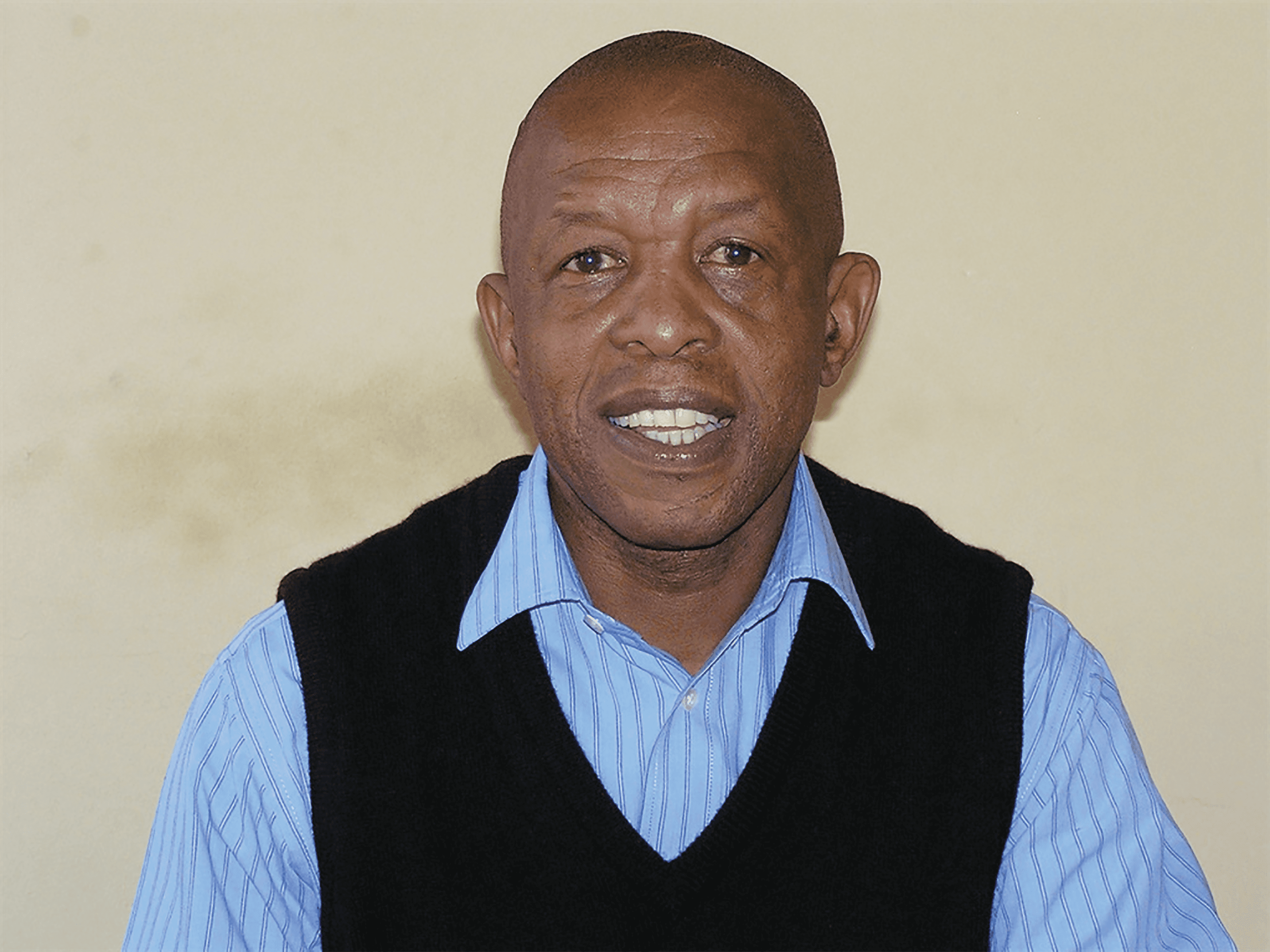
As Freddie Nyathela, Sara president remarked bluntly in the report: “Board members must remember that they are there to serve the community, not their friends.
During the panel discussion he also commented emphatically: “We are not apologetic for applying for grants from government because that money is meant for us. It is our money and does not belong to officials’’.
Nyathela, who was part of the panel that also featured, researcher Thokozani Mbwana as MC, visual artist and lecturer at the University of Johannesburg, Mariapaola McGurk, poet and activist Lee Mokobe.
“Most of the board members on arts agencies do not have arts experience and they do not come from the arts sector, and therefore, when it comes to voting on a decision, those that come from the arts sector are outvoted,” asserted Nyathela.
McGurk was of the view that the issues bedevilling the arts and cultural sector go beyond the issue of freedom of expression covered by the report.
She believed the future for artists was bright when and if they weaned themselves from depending on grants, and instead focused on entrepreneurial endeavours in the creative economy. Mbwana, who is a programme manager at the Campaign for Free Expression, responded that the report was a foundation for possible further research into the broader issues affecting the sector.
She also said the report was inspired by the sit-in by artists – led by soprano Sibongile Mngoma – embarked on at the National Arts Council offices for 60 days in 2021.
The enraged artists complained about the maladministration that happened during the adjudication of the Presidential Economic Stimulus Programme (PESP) fund that Treasury put aside in 2021 to cushion the impact of Covid-19 lockdowns on the creative and cultural sector, but also to try and instigate economy activity in the sector post-lockdown.
Mokobe told of the struggles of, especially township artists, when it came to accessing resources in the creative economy, while Mercy, a recent theatre graduate expressed uncertainties many arts graduates feel about opportunities in the sector.
Way forward?
The researchers solicited the views of cultural workers to come up with their recommendations on how to take the sector can forward and the following are the recommendations from the culture workers.
Civil Society
The Cultural Institutions Act and the Cultural Laws Amendment Act should be challenged in the court to reassert the “arm’s length principle” of public funding for the culture sector. In particular, the power of the minister to appoint the chairpersons of councils needed to be revoked. Civil society must establish mechanisms to monitor suspensions and disciplinary action in the subsidised cultural sector and provide support for those who are unfairly targeted.
Legal Support
Legal organisations, in collaboration with law firms and lawyers, needed to establish relationships with cultural workers. This would enable workers to access legal support and counsel in response to violations of free expression in the sector.
Cultural Workers
Cultural workers and organisations needed to engage actively in devising and implementing creative forms of protest in their own interests, and as part of broader social movements. Representative arts organisations must be strengthened through training, infrastructural support and funding to support full-time workers.
Lawfare: Cultural workers needed to challenge and lobby the government, as well as take it to court when the need arose.
Knowledge sharing: Experienced cultural workers must share their knowledge with novices. Cultural workers also needed to share knowledge about their rights with each other.
Government
Transparency: The government needed to make information about the right to free expression in the arts easily accessible to cultural workers so that they felt free to exercise this right when opportunities arose without feeling that punishment awaited them.
Government participation: The government needsed to commit to engaging in the arts sector more deeply at provincial and local levels, and beyond the arts and culture departments.
A suitable minister: Government needed to commit to appointing a qualified, knowledgeable and skilled minister of arts and culture who knew the sector and its challenges. – CITYLIFE/ARTS
Published on the 94th Edition.