 WeeklySA_Admin
Devastation: Grim reality of 148 million: malnourished children under five years of age…
By Monk Nkomo
Nearly 735 million people were currently facing hunger throughout the world with the African continent being the worst-hit region where one in five people were subjected to miserable lives without food on the continent.
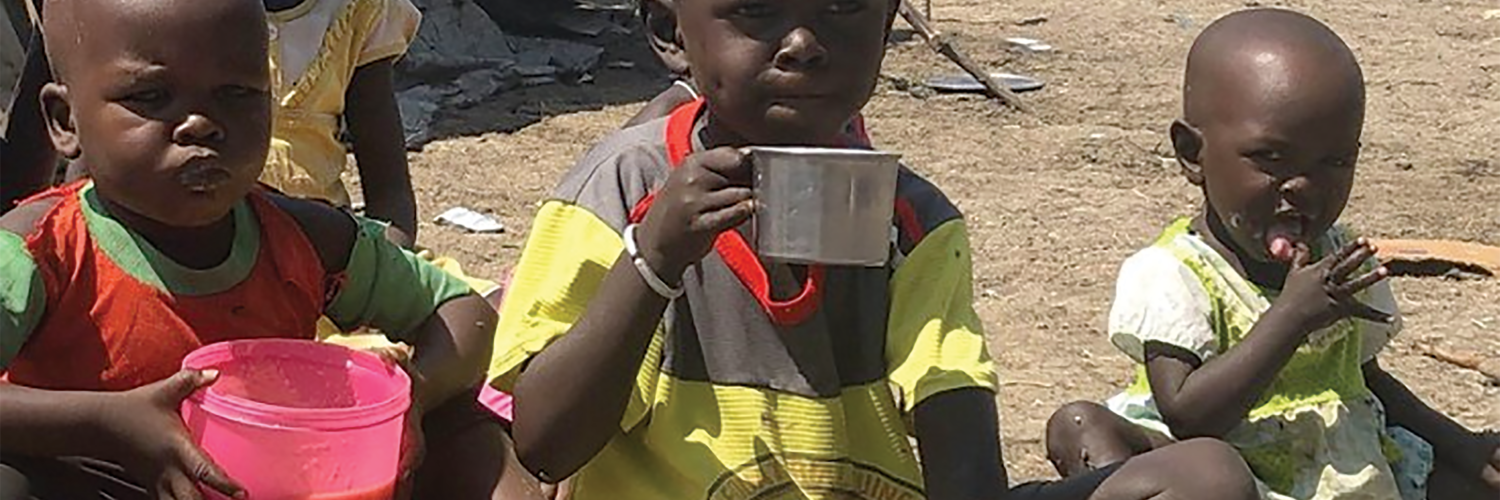
Millions of children under five years of age continued to suffer from malnutrition. In 2022, a total 148 million children under five years of age were stunted, 45 million were wasted and 37 million were overweight.
These grim statistics are contained in the State of Food Security and Nutrition in the World (SOFI) report which was jointly released this week by five United Nations specialized agencies.
The food security and nutrition situation remained grim in 2022 with the report revealing that 2,4 billion people worldwide, did not have constant access to food, as measured by the prevalence of moderate or severe food insecurity. Among them, around 900 million individuals faced severe food insecurity.
The 2023 edition of the report reveals that between 691 and 783 million people faced hunger in 2022, with a mid-range of 735 million. Nearly 122 million more people were facing hunger in the world since 2019 due to the Covid-19 pandemic and repeated weather shocks and conflicts including the war in Ukraine.
While global hunger numbers had stalled between 2021 and 2022, there were many places in the world facing deepening food crises.
‘’ Progress in hunger reduction was observed in Asia and Latin America, but hunger was still on the rise in Western Asia, the Caribbean and throughout all subregions of Africa in 2022. Africa remains the worst-affected region with one in five people facing hunger on the continent, more than twice the global average.’’
If trends remained as they were, the Sustainable Development Goal of ending hunger by 2030, will not be achieved, according to the Food and Agriculture Organization of the United Nations (FAO), the International Fund for Agricultural Development (IFAD), the United Nations Children’s Fund (UNICEF), the World Health Organization (WHO) and the World Food Programme (WFP).
These agencies have been monitoring and analyzing the world’s progress towards ending hunger, achieving food security and improving nutrition since 1999. Their report targets a wide audience including policymakers, international organizations, academic institutions and the general public.
President of IFAD, Alvaro Lario, in his message regarding the hunger crisis, said : ‘’ A world without hunger is possible. What we are missing is the investments and political will to implement solutions at scale.
We can eradicate hunger if we make it a global priority. Investments in small-scale farmers and in their adaptation to climate change, access to inputs and technologies and access to finance to set up small agribusinesses can make a difference’’.
The report also revealed that the capacity of people to access diets had deteriorated across the world with nearly 3,1 billion people being unable to afford a healthy diet in 2021. This represented an overall increase of 134 million people compared to 2019.
The United Nations Secretary -General, Antonio Guterres, said : ‘’ There are rays of hope , some regions are on track to achieve some of the 2030 nutrition targets.
But overall, we need an intense and immediate global effort to rescue the Sustainable Development Goals. We must build resilience against the crises and shocks that drive food insecurity – from conflict to climate.’’
According to the report, malnutrition remained a major threat to children’s survival , growth and development. The scale of the nutrition crisis demanded a stronger response focused on children, including prioritizing access to nutritious and affordable diets and essential nutrition services. Efforts must also be made to protect children and adolescents from nutrient – poor, ultra-processed foods and strengthening food and nutrition supply chains including for fortified and therapeutic foods for children.
Director -General of FAO, QU Dongyu, said climate change, conflict and economic instability were pushing those on the margins even further from safety. ‘’ We cannot take a business-as-usual approach. Recovery from the global pandemic has been uneven and the war in Ukraine has affected the nutritious food and healthy diets.’’
Although the report painted a gloom picture of people facing hunger throughout the world, the report noted that there had been progress in exclusive breastfeeding with 48 percent of infants under six months of age benefitting from this practice. More concerted efforts, however, would be required to meet the 2030 malnutrition targets.
This year’s theme is aligned with the UN General Assembly ‘’ New Urban Agenda’’ and will complement and guide the discussions at the 2023 High Level Political Forum , particularly on sustainable cities and communities and during the three-day ministerial segment of the forum scheduled to be held from 17 -19 July, 2023.
According to the report, the simple rural and urban divide concept was no longer sufficient to understand the ways in which urbanization was shaping agrifood systems. A more complex rural-urban continuum perspective was needed considering both the degree of connectivity that people have and types of connections that existed between urban and rural areas.
The report also looked at increased urbanization as a ‘megatrend’ affecting how and what people ate. With almost seven in ten people projected to live in cities by 2050, governments and others working to tackle hunger, food insecurity and malnutrition, must seek to understand these urbanization trends and account for them in their policymaking.
‘’ Unfortunately, spatial inequalities remain. Food insecurity affects more people living in rural areas. Moderate or severe food insecurity affected thirty-three percent of adults living in rural areas and twenty-six percent in urban areas.’’
The report recommends that to effectively promote food security and nutrition, policy interventions, actions and investments must be guided by a comprehensive understanding of the complex and changing relationship between the rural-urban continuum and agrifood systems.
‘’Child wasting remains unacceptably high and there has been no progress in reducing child overweight. We need targeted public policies, investments and actions to create healthier food environments for all,’’ says WHO Director- General, Dr. Tedros Adhanom Ghebreyesus.