 WeeklySA_Admin
PILOT: One hundred high school learners complete bootcamp to gain hands-on experience in artificial intelligence, robotics, entrepreneurship and digital innovation while proving that opportunity—not talent—is the biggest barrier facing South Africa’s youth…
By WSAM Reporter
For six days, classrooms at Thaba-Jabula Secondary School in Soweto became innovation laboratories where artificial intelligence, robotics, virtual reality and entrepreneurship replaced conventional lessons, giving 100 young South Africans a glimpse of careers many had never imagined possible.
The inaugural FutureU Technology & Innovation Bootcamp brought together Grade 10 to 12 learners from across Soweto in an ambitious pilot programme designed to equip young people with the skills, confidence and exposure needed to compete in an increasingly technology-driven economy.
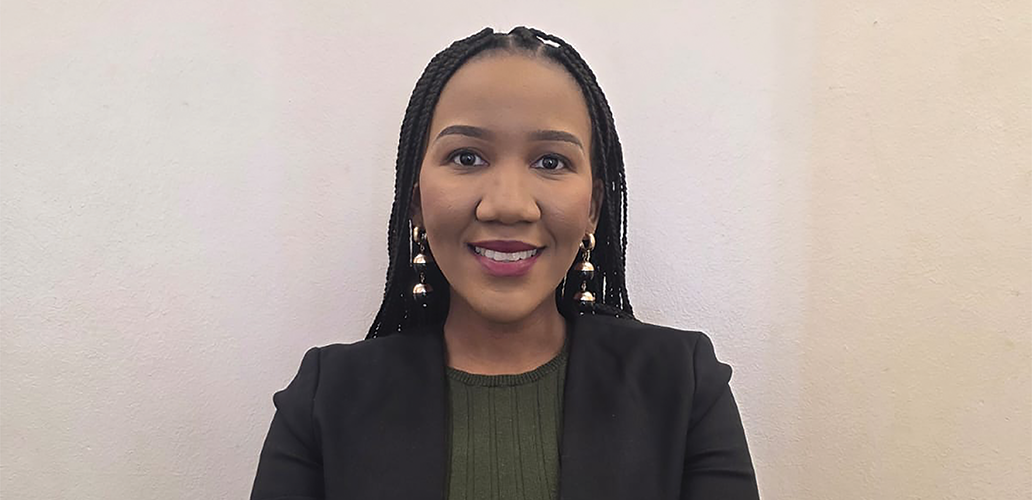
Founded by technology and business transformation specialist Ayanda Nxumalo, FutureU seeks to bridge one of South Africa’s most pressing challenges: the widening gap between education and the rapidly evolving demands of industry.
Rather than relying on theory alone, the programme immersed learners in practical experiences covering artificial intelligence, robotics, virtual reality, mechatronics, smart energy, entrepreneurship, design thinking, digital transformation, public speaking and collaborative problem-solving.
Talent exists in every community. Opportunity does not. A child’s background should never determine the size of their dreams…
Working alongside industry professionals, participants tackled real-world challenges facing South African communities before presenting technology-driven solutions during the programme’s Innovation Challenge.
The ideas reflected both technical ability and social awareness.
Among the standout projects was GridShield, an intelligent electricity management platform combining smart metering, augmented reality and voice-assisted technology to improve energy efficiency while making electricity services more accessible for visually impaired users. The project also incorporated incentives to encourage responsible electricity consumption, demonstrating how innovation can address both social and environmental challenges.
For Nxumalo, the greatest achievement extended beyond the technology itself.
“What inspired me most was seeing hope return to our young people,” he said.
“Many of these learners arrived believing that technology, innovation and careers in STEM were opportunities reserved for someone else. Six days later, they stood confidently presenting sophisticated ideas to industry professionals. That transformation is why FutureU exists.”
Beyond coding and emerging technologies, the bootcamp placed strong emphasis on leadership, communication, teamwork and entrepreneurial thinking—skills increasingly recognised as essential in the Fourth Industrial Revolution.
The programme also connected learners with organisations operating at the forefront of technology and innovation.
Eskom introduced participants to digitalisation, smart energy systems and the future of South Africa’s electricity sector, including a virtual tour of the Kusile Power Station using Digital Twin technology.
The Sci-Bono Discovery Centre provided hands-on exposure to robotics, mechatronics and virtual reality, with many learners experiencing advanced technologies for the first time.
Coach Itu Academy focused on public speaking, debating and presentation skills, helping learners develop the confidence to communicate their ideas effectively. The impact was immediate, with ten participants selected to join the Soweto Debate Academy (SODA), ensuring the programme’s benefits continue beyond the bootcamp.
Support from Ingenious Holdings, KJM Wellness, Nedbank and a range of guest speakers further strengthened the initiative by exposing learners to professionals working across technology, business and innovation sectors.
The bootcamp also highlighted a broader national challenge. South Africa continues to grapple with high youth unemployment, unequal access to quality education and a persistent digital divide that limits opportunities for many talented young people.
FutureU argues that these barriers are not a reflection of ability, but of unequal access.
“This bootcamp has reaffirmed something I have always believed,” Nxumalo said.
“Talent exists in every community. Opportunity does not. A child’s background should never determine the size of their dreams or the opportunities available to them. If we are serious about building South Africa’s future, we must invest in our young people long before they enter the workplace.”
Following the success of the pilot programme, FutureU plans to expand its technology education, mentorship and innovation initiatives to more schools and communities across South Africa. Discussions are already under way with corporate partners, educational institutions and public-sector stakeholders to broaden the programme’s reach.
As the first cohort departs, organisers believe the most valuable outcome is not the certificates they received but the confidence they gained.
For many, the bootcamp transformed technology from an abstract concept into a tangible career path—one in which they can see themselves as innovators, entrepreneurs and problem-solvers capable of shaping South Africa’s future.