 WeeklySA_Admin
Support: Creatine could help women build and preserve strength as they age, says nutrition specialist Andy Moore, but claims about menopause relief and brain health require caution.
By Own Correspondent
Creatine’s reputation as a supplement for bodybuilders is overshadowing its potential role in helping women maintain muscle and strength as they grow older, according to Andy Moore, Research and Development and Quality Control Manager at NPL Nutritional Performance Labs.
Moore, who holds an MSc in Dietetics, says women approaching menopause should pay greater attention to muscle preservation — while keeping realistic expectations about what supplements can achieve.
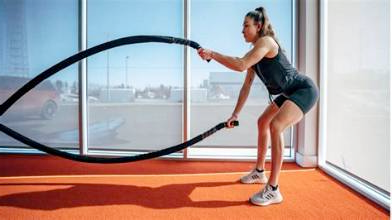
“Creatine supports the work muscles are being asked to do. It cannot replace the benefits of actually using them,” she writes in an article examining the evidence. Her central message is that creatine’s strongest application lies in supporting exercise, particularly resistance training. Its possible benefits for memory and other aspects of women’s health remain under investigation.
Muscle loss can begin well before old age, especially among people who are physically inactive. For women, declining oestrogen during menopause adds to concerns about changes in strength, body composition and bone health, Moore explains.
Creatine supports the work muscles are being asked to do. It cannot replace the benefits of actually using them. — Andy Moore
Maintaining muscle matters beyond appearance. It supports balance, mobility and the ability to perform everyday tasks, helping people remain physically independent.
Creatine is produced naturally by the body and is also found in foods such as meat and fish. Stored mainly in muscles, it helps replenish adenosine triphosphate, or ATP, which supplies energy for cellular activity.
During demanding exercise, this can help muscles sustain repeated bursts of effort. Over time, the additional training capacity may support improvements in strength and muscle mass. The US National Institutes of Health identifies repeated, short bursts of intense activity as the area where creatine’s performance benefits are best established.
Moore says research involving postmenopausal women suggests supplementation can produce modest improvements in strength and lean mass, particularly when combined with resistance training.
Menopause claims need scrutiny
The evidence is less clear when it comes to protecting bones or addressing menopausal symptoms.
Although researchers have investigated creatine’s potential contribution to bone health, Moore cautions that trials have not consistently demonstrated improvements in bone mineral density.
A two-year randomised trial involving 237 postmenopausal women found that adding creatine to an exercise programme did not improve its primary bone-density outcome. Moore says creatine should therefore not be presented as a treatment for osteoporosis or a substitute for adequate calcium, vitamin D and appropriate medical care.
Interest in its possible effects on the brain also requires careful interpretation.
A 2024 review of 16 randomised controlled trials reported improvements in some measures, including memory, but found no significant improvement in overall cognitive function. The certainty of the evidence differed across outcomes.
“It is an interesting development, particularly for women experiencing cognitive complaints during menopause, but the research has not established creatine as an effective treatment for menopausal brain fog,” Moore writes.
Sleep disruption, stress, hormonal changes and underlying health conditions can all affect concentration and memory, she adds. Persistent symptoms warrant investigation.
Nor should creatine be viewed as a quick remedy for tiredness. It does not act like caffeine, and Moore says there is insufficient evidence to recommend it for the general exhaustion some women experience during menopause.
Strength without unrealistic promises
Concerns about weight gain can discourage women from considering creatine, but Moore distinguishes between increased water within muscle cells and an increase in body fat.
Some people notice a rise on the scale after starting supplementation. Building substantial muscle, however, requires sustained training, adequate nutrition and time.
“Creatine is not a fat-burning supplement, and it does not guarantee a leaner physique,” she says.
Creatine monohydrate remains the most extensively studied form. Moore notes that daily amounts of approximately 3g to 5g are commonly used, with consistency generally more important than taking it immediately before or after exercise. A loading phase is not essential.
NIH guidance also recognises protocols without a loading phase and describes creatine as generally safe for healthy adults, although water-related weight gain and gastrointestinal discomfort can occur.
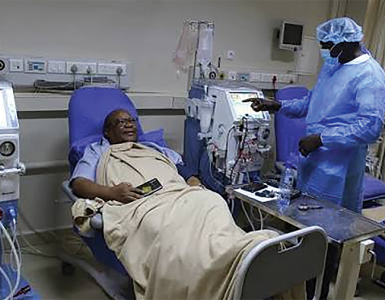
Moore advises women with kidney disease, relevant medical conditions or medication that may affect kidney function to consult a healthcare professional before using it.
For her, the wider priority is establishing habits that protect strength: resistance exercise, sufficient protein, appropriate rest and regular activity.
“Perhaps the most useful development in the creatine conversation is the growing recognition that strength deserves a place in women’s health discussions at every age.”