 WeeklySA_Admin
LEGACY: The Drum photographer’s images of protesters fleeing apartheid police gunfire became a lasting record of March 21 1960, and were later used in court…
By Jacob Mawela
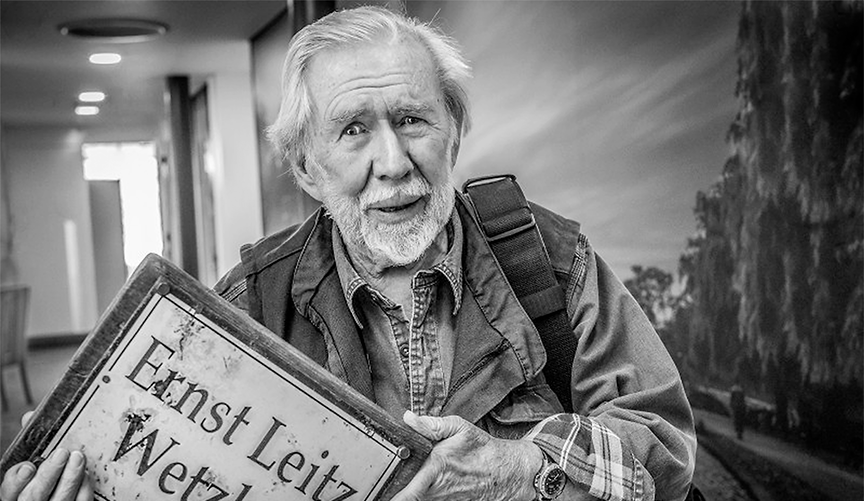
British photojournalist Ian Berry, whose photographs documented the Sharpeville massacre, died on September 13, aged 92.
Berry was working for Drum magazine when he travelled to Sharpeville on March 21, 1960, to cover a protest against apartheid pass laws. He remained near the police station after an officer warned journalists to leave.
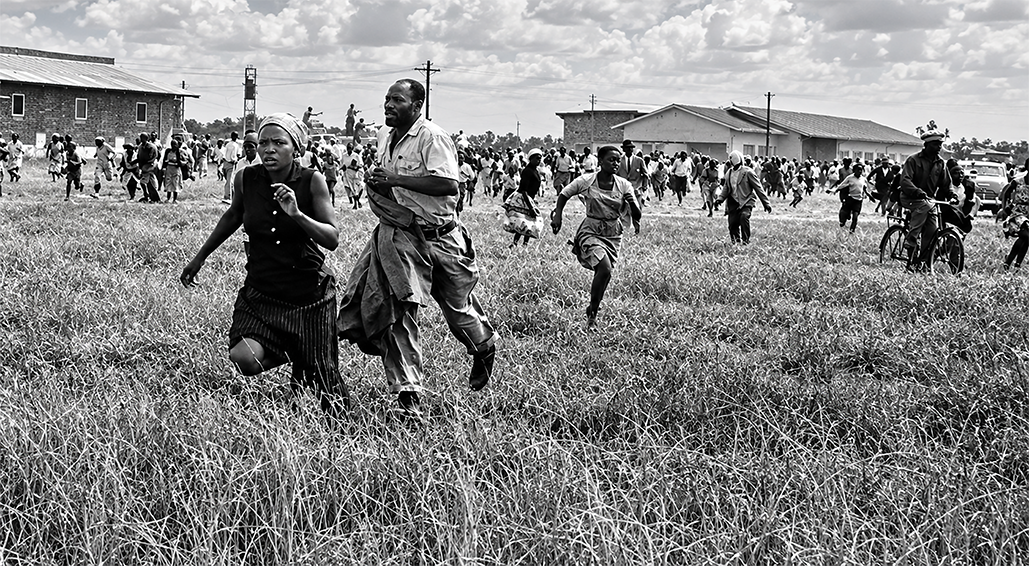
The crowd seemed calm when Berry arrived. He later recalled speaking to people gathered along the fence outside the station. As he turned for one last look before leaving, police opened fire. At first, he thought they were firing blanks or shooting above the protesters’ heads. Then a woman beside him fell.
Berry dropped to the ground and photographed people running in every direction. His pictures captured a moment that apartheid authorities could not easily explain away: protesters were being shot as they fled.
The apartheid-era official toll was 69 people killed and 180 wounded. More recent research cited by survivors puts the toll higher, at at least 91 killed and 238 wounded. March 21 is now commemorated in South Africa as Human Rights Day.
Berry’s photographs were subsequently used in court proceedings to challenge the police account and help establish the protesters’ innocence. Magnum Photos describes him as the only photographer to document the massacre.
Born in Lancashire in 1934, Berry had no formal photography-school training. He built his reputation in South Africa, working for the Daily Mail and then Drum. Henri Cartier-Bresson invited him to join Magnum Photos in 1962; he became a full member five years later.
His work took him far beyond Sharpeville. He photographed conflict and social change in places including Vietnam, Ireland, the Congo and Czechoslovakia.
He also returned repeatedly to South Africa, documenting apartheid and the country’s transition to democracy.
Yet Sharpeville remains inseparable from his legacy. Berry stayed when others left, and his camera recorded people trying to escape the gunfire.
More than six decades later, those images remain part of the evidence of what happened that day.