 WeeklySA_Admin
COLLABORATION: World Stroke Summit calls for stronger prevention, emergency treatment and long-term rehabilitation as experts warn the global burden could rise by 50 percent by 2050…
By WSAM Reporter
South Africa has placed the growing stroke crisis firmly on Africa’s public-health agenda, bringing together policymakers, clinicians, researchers and survivors to push for better prevention, treatment and long-term rehabilitation services.
The two-day World Stroke Summit Africa, held in Sandton, Johannesburg, on Wednesday and Thursday, gathered government leaders, healthcare professionals, researchers, development partners, civil society organisations and stroke specialists from Africa, India and other parts of the world.
The summit was hosted by the World Stroke Organization through its Global Stroke Alliance, in collaboration with South Africa’s National Department of Health.
If national stroke strategies end at hospital discharge, the job is only half
done — fund the long recovery, not just the emergency…
Stroke remains one of the leading causes of death and adult disability worldwide, despite being largely preventable and treatable.
It occurs when the supply of blood to part of the brain is interrupted, either by a blockage or bleeding. Without urgent treatment, brain cells can begin to die, potentially resulting in permanent disability or death.
According to the World Health Organisation, more than 11 million new stroke cases were recorded globally in 2021. Stroke is now the third-leading cause of death and disability, while its worldwide burden is projected to increase by 50% by 2050.
South Africa’s hosting of the summit underscored the country’s commitment to leading continental efforts against stroke and other non-communicable diseases.
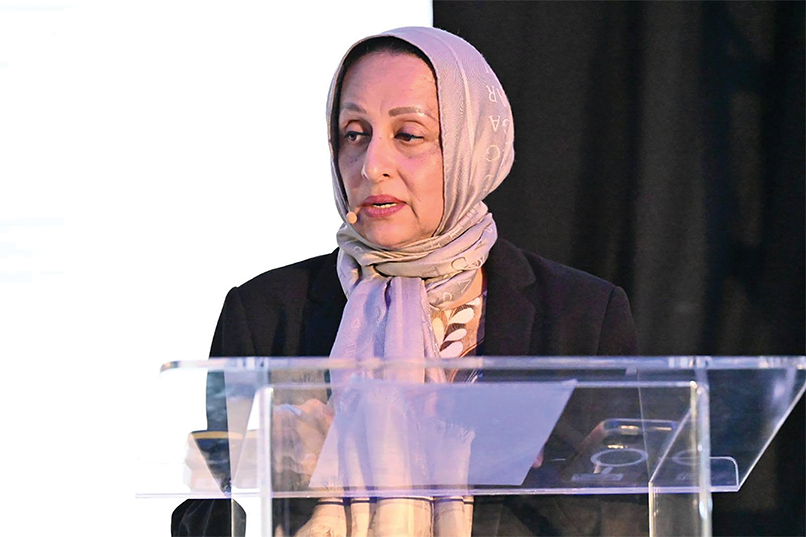
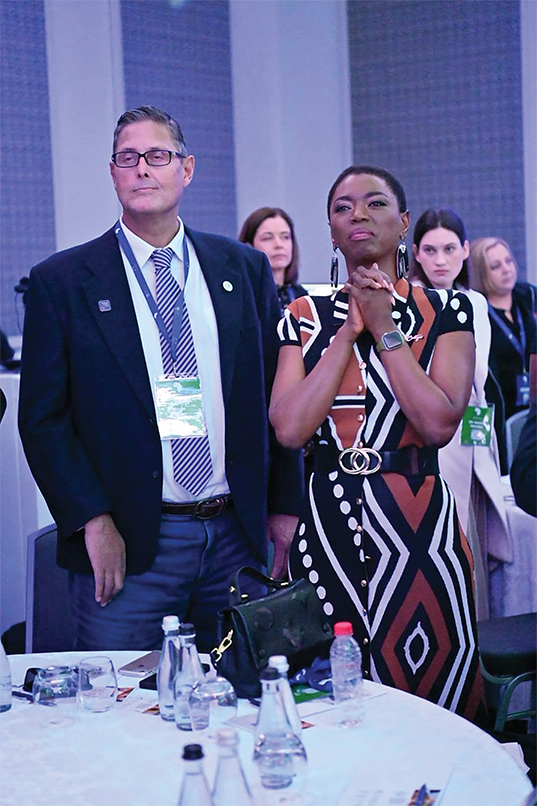
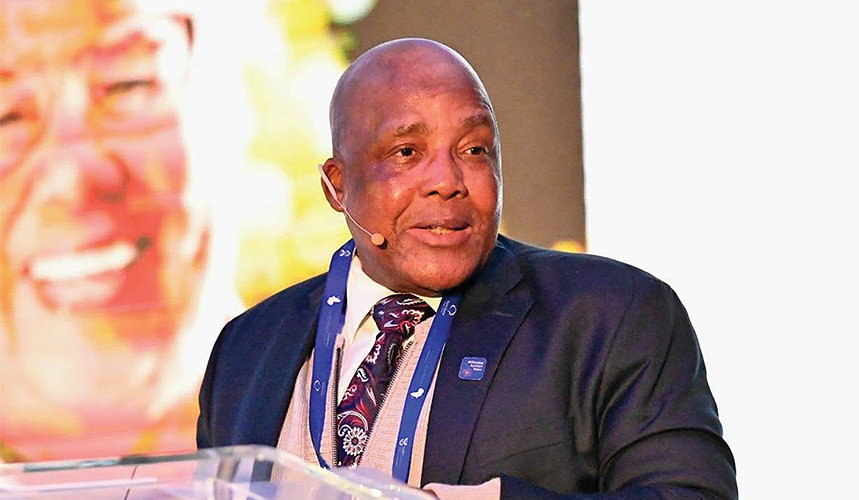
Health Minister Dr Aaron Motsoaledi, delivering the keynote address, called for stroke to be elevated as a national and regional health priority.
He stressed the need to strengthen health systems so that people could receive better preventive care, timely diagnosis, emergency treatment, rehabilitation and equitable access to quality stroke services.
The summit also examined how African countries could turn international health commitments into practical national programmes.
World Health Organisation representative in South Africa Shenaz El-Halabi said global undertakings must be translated into concrete national and regional action.
The meeting followed the adoption in May of the first World Health Assembly resolution addressing the prevention and integrated care of neurological disorders, including stroke. The resolution recognises the growing contribution of stroke to death and disability worldwide.
These international commitments call on countries to expand stroke-prevention programmes, improve access to quality emergency care and rehabilitation, strengthen the health workforce and develop better surveillance and data systems.
They also encourage governments to integrate stroke services into primary healthcare and universal health coverage.
But speakers warned that successful stroke care could not end when a patient left the emergency ward.
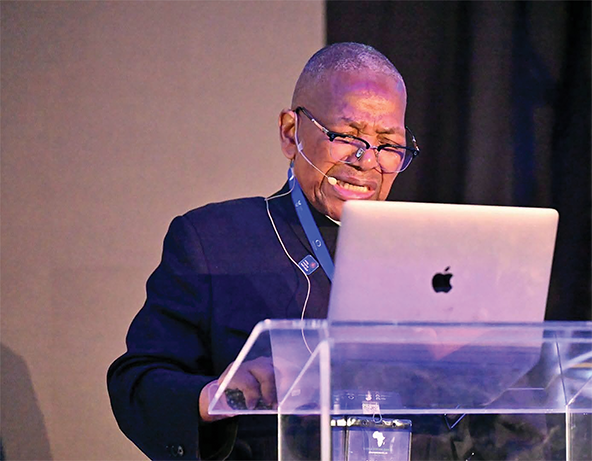
Stroke survivor Sello Rasethaba told the summit that saving a patient’s life was only the beginning of what could become a long and difficult recovery.
Rasethaba suffered a stroke on April 29, 2020, during the Covid-19 lockdown. The stroke left him without feeling or movement on the left side of his body.
After collapsing at home, he rolled across the floor to reach a door and used his right hand to call for help. His wife, Ouma, managed to get him to a nearby hospital within 15 minutes.
“I am living testimony to prompt attention,” Rasethaba said. “The right side of my body still carries my confidence. The left side is learning baby steps again.” While praising emergency personnel for saving his life, he challenged health authorities to consider the quality of life awaiting survivors after discharge.
“If your national stroke strategies end at hospital discharge, the job is half done,” he told ministers and policymakers.
Rasethaba said the physical effects of stroke were often visible, but its psychological consequences — including grief, loss of independence and depression — were frequently overlooked.
He called for mental-health screening and psychological support to be integrated into stroke treatment from the beginning.
He also appealed for rehabilitation to be regarded as an essential part of healthcare rather than an optional service available mainly to people who could afford private treatment or comprehensive medical insurance.
“Rehabilitation must not be a ‘nice-to-have’. It must be a regulated, defended standard of care,” he said.
Access to physiotherapy and occupational therapy was often determined by a patient’s wealth, geographical location or insurance limits, even though recovery from stroke could take months or years.
Rasethaba warned that cutting rehabilitation funding did not necessarily save the state money. Instead, it transferred the burden to relatives who might have to leave their jobs to become full-time caregivers, while survivors who could otherwise have returned to employment became dependent on social assistance.
He called for greater investment in long-term, community-based rehabilitation to help survivors regain independence and return to family, community and working life.
Prevention was another central focus of the summit. High blood pressure, smoking, unhealthy diets and physical inactivity are among the major risk factors that can be managed to reduce the likelihood of stroke.
Rasethaba urged governments to move public-awareness messages beyond pamphlets and clinics by taking stroke education into schools, public transport, community spaces and sports broadcasts.
The summit further emphasised the principle of “nothing about us without us”, calling for stroke survivors to participate in developing policies, clinical guidelines and rehabilitation programmes.
Rasethaba said survivors should not be treated merely as patients, statistics or clinical case studies, but as people whose lived experiences could help governments design services that worked in real communities.
“Fund the long recovery, not just the emergency,” he said. “Help us become the best version of ourselves again.”