

 WeeklySA_Admin
CONDITION: Doctors and diabetes advocates are urging South Africans not to ignore tingling, numbness and burning sensations, warning that these subtle symptoms could signal peripheral neuropathy — a condition linked to diabetes, ageing and other chronic illnesses…
By WSAM Reporter
What may begin as a mild tingling sensation in the feet or numbness in the hands could be an early warning sign of a serious nerve condition affecting thousands of South Africans.
Health experts are raising concern about the growing impact of peripheral neuropathy — a condition often associated with diabetes but also linked to ageing, nutritional deficiencies, infections such as HIV and physical injuries.
According to diabetes specialist Dr Shaifali Joshi, one of the biggest dangers surrounding neuropathy is that many people fail to recognise the symptoms until the condition has significantly progressed.
“Neuropathy is not always dramatic in its early stages — in fact, it’s often silent,” he said. “But those early sensations — tingling, numbness, burning — are important warning signs. They should never be ignored.”
Peripheral neuropathy occurs when nerves outside the brain and spinal cord become damaged, often resulting in pain, weakness, numbness or burning sensations, particularly in the hands and feet. Left unmanaged, it can severely affect mobility, sleep, balance and overall quality of life.
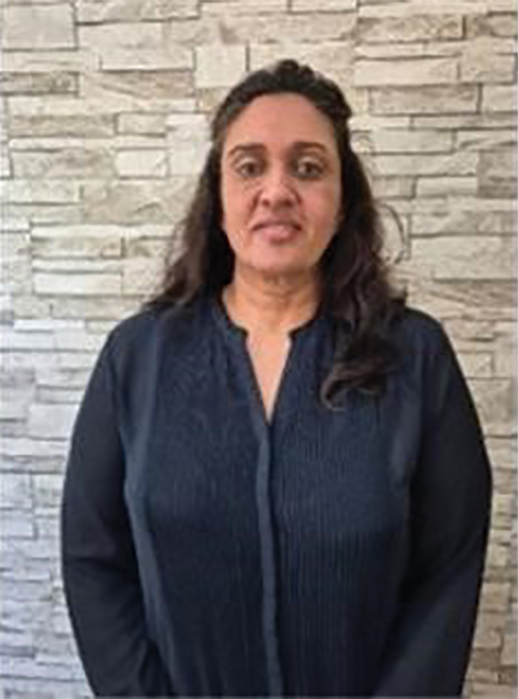

For diabetes advocate Lindie Motsoane, the issue is deeply personal.
Diagnosed with Type 2 diabetes in 2008, Motsoane says her commitment to awareness and education was shaped by painful family experiences. Both her grandmother and father suffered serious diabetes-related complications, including neuropathy.
“I realised that many people are not dying from diabetes itself, but from a lack of knowledge about how to manage it,” she said.
“There isn’t enough awareness about complications like neuropathy, and by the time people recognise it, it can already be advanced.”
Motsoane now works within her community to educate people about diabetes management, early detection and the emotional resilience needed to live with chronic illness.
Experts say one of the major challenges is that many people dismiss symptoms as temporary discomfort or signs of fatigue.
“People often normalise the symptoms or assume they’re temporary,” Joshi explained. “But early intervention can make a meaningful difference in slowing progression and improving comfort.”
Managing neuropathy usually involves treating underlying conditions such as diabetes, improving lifestyle habits and supporting nerve health under medical supervision.
There has also been increasing interest in supportive therapies, including over-the-counter supplements aimed at supporting nerve function. One such product, WelTek-Nuro, contains ingredients including methylcobalamin (vitamin B12) and alpha lipoic acid, which have been studied for their role in nerve health.
However, Joshi cautioned against viewing supplements as miracle solutions.
“It’s important to be clear — there is no single quick fix,” he said. “But supportive interventions, used alongside proper medical care, can play a role in helping people manage symptoms and maintain nerve health.”
Both experts and advocates are urging South Africans — particularly people living with diabetes — to pay close attention to changes in sensation and seek medical advice sooner rather than later.
For Motsoane, the message is ultimately about awareness and prevention.
“We need to take these early signs seriously,” she said. “If we can educate people sooner, we can help them avoid the kind of complications that change lives.”
Joshi is highly qualified and experienced in diabetes care, bringing more than two decades of medical expertise to her private practice at a Diabetes Care Centre in Brooklyn, Pretoria. After graduating from the University of Pretoria in 1999, her passion for managing patients with diabetes was ignited by a “Managing Boston” programme in 2005.
Joshi holds a Master’s in Pharmacokinetics and a Master’s in Diabetes from the University of Cardiff (2013), and her clinical practice serves over 1 000 diabetic patients. Actively involved in clinical research and medical education, she served as a tutor for the University of Cardiff’s online postgraduate course in diabetes for five years.