 WeeklySA_Admin
SCRUTINY: International policymakers, public servants and governance experts will gather in Johannesburg to examine how capable, ethical institutions can turn political promises into tangible improvements in citizens’ lives…
By Monk Nkomo
JOHANNESBURG – The often-overlooked machinery that determines whether governments deliver functioning schools, reliable infrastructure, healthcare and responsive municipalities will come under scrutiny at an international congress in Johannesburg next month.
The New South Institute (NSI) has announced the launch of Statecraft 2026, an International Congress on Democracy and Public Institutions, scheduled for September 22 and 23.
The gathering will bring together policymakers, senior public servants, academics, institutional leaders and governance practitioners from South Africa and several other countries.
Under the theme, “The Machinery of Democracy”, the congress will focus on the role of public administration in transforming political decisions into practical improvements in people’s lives.
“Democracy does not survive on elections alone,” NSI director Ivor Chipkin said.
“It depends on something far less visible: the machinery that transforms political decisions into functioning schools, reliable infrastructure, effective healthcare, responsive municipalities, sound public finances and institutions that citizens can trust.
“That machinery is public administration.”
The campaign’s central message – “Public administration is only boring … until it fails” – seeks to highlight the direct relationship between administrative competence and citizens’ everyday experiences of government.
According to the institute, politics may determine who governs, but statecraft determines how governments govern. This includes building capable institutions, strengthening public administration and developing ethical leadership that enables the state to deliver services consistently, fairly and effectively.
The congress comes as South Africa confronts persistent institutional weaknesses, municipal dysfunction, failures at some state-owned enterprises and growing public frustration over service delivery.
It also follows the passage of the Public Service Amendment Act 9 of 2025, which has shifted the national debate from whether public-sector reform is necessary to how such reforms should be implemented.
NSI said it had spent more than a decade studying why public institutions succeed or fail and what meaningful reform requires in practice. Statecraft 2026 represents the next stage of that work.
Unlike conventional conferences dominated by prepared speeches and formal presentations, the event has been designed as a working congress with a strong emphasis on implementation.
Participants will compare international experiences, examine obstacles that undermine institutional reform and consider lessons that can be applied across different democratic systems.
The programme will address the appointment of senior public officials, protection of the civil service’s independence, governance of state-owned enterprises, leadership development and political accountability.
Urban governance, public participation and the future of democratic institutions will also feature prominently in the discussions.
Speakers and practitioners are expected from South Africa, South Korea, Chile, Slovakia, Nigeria, Tanzania and Serbia, among other countries.
Their participation is intended to offer comparative perspectives from societies that have faced institutional and governance challenges similar to those experienced in South Africa.
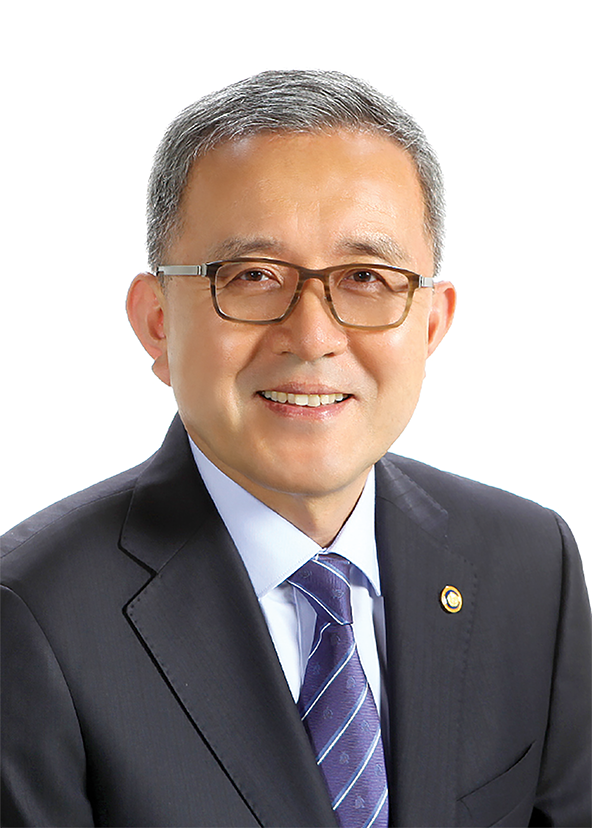
The keynote speaker will be Professor Pan Suk Kim, who is internationally recognised for his contribution to designing and implementing South Korea’s civil-service reforms.
Kim is expected to share practical lessons from the country’s public-sector reform programme and explore whether aspects of that experience could inform institutional renewal elsewhere.
Chipkin said the congress would create space for frank conversations about successful reforms, failed interventions and the measures required to build public institutions worthy of citizens’ confidence.
“If we want stronger democracies, we have to build stronger institutions,” he said.
Over the two days, delegates will consider not only why institutions collapse or become ineffective, but also what is required to make them resilient, ethical and capable of delivering public services.
The congress is built around a simple proposition: elections determine who governs, but public administration determines whether democracy delivers.
Registration for Statecraft 2026 is now open, with additional information about speakers, panel discussions and the programme available from the New South Institute.