 WeeklySA_Admin
DRIVE: The government unveils a National Water Action Plan that promises major infrastructure investment, tighter financial controls, anti-corruption measures and private-sector partnerships to restore reliable water supplies across the country.
By Own Correspondent and WSAM Reporter
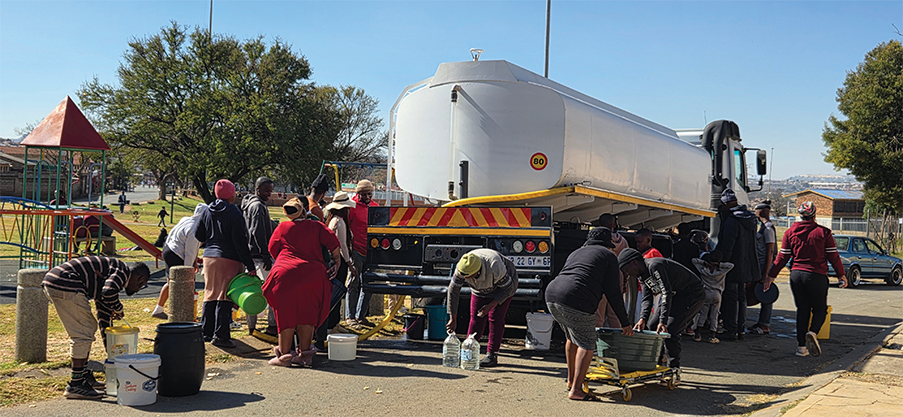
President Cyril Ramaphosa has unveiled an ambitious National Water Action Plan aimed at reversing South Africa’s deepening water crisis and restoring reliable access to clean water for households, businesses and municipalities.
The plan, released on Thursday after a meeting of the National Water Crisis Committee (WATERCOM) at the Union Buildings in Pretoria, sets out a roadmap of short-, medium- and long-term interventions to tackle the root causes of failing water systems.
Central to the strategy is increased investment in water infrastructure, including greater private-sector participation, reforms to strengthen municipal service delivery, and a renewed drive to stamp out corruption and criminal activity in the water sector.
The same determination that helped end load
shedding must now be directed at ending
South Africa’s water crisis…
WATERCOM, established following President Ramaphosa’s 2026 State of the Nation Address, will coordinate the implementation of the plan. The committee brings together key government departments, public agencies and the South African Local Government Association (SALGA).
The Presidency said the plan was developed through extensive consultations across all three spheres of government and with key stakeholders.
A major reform will see the government move to ring-fence municipal water revenues, ensuring that money collected from consumers is spent exclusively on maintaining, upgrading and expanding water infrastructure rather than being diverted to other municipal functions.
The plan also prioritises increased investment in bulk water supply and distribution networks while strengthening municipalities with technical expertise, additional resources and strategic partnerships. According to the Presidency, years of underinvestment, poor financial management and fragmented accountability have weakened municipal water services.
In many municipalities, technical departments are responsible for delivering water but have little control over billing, revenue collection or safeguarding critical infrastructure.
Dedicated implementation teams have been appointed to accelerate delivery, support struggling municipalities and oversee long-term reforms.
Drawing parallels with the government’s response to the electricity crisis, Ramaphosa said the same focused approach that helped stabilise Eskom and end load shedding would now be applied to securing the country’s water future.
He described the National Water Action Plan as “a clear, practical and focused approach” to achieving water security for all South Africans.
WATERCOM is expected to meet regularly to monitor progress and hold departments and agencies accountable for implementing the plan.
South Africa is one of the 30 most water-scarce countries in the world, and the demand for water in the country is increasing as a result of economic and population growth, according to the government. The average consumption of water is 218 litres per capita per day, compared to the international average of 173 litres per capita per day.
Greenpeace has said labelling the current water situation in South Africa as anything other than a crisis would be to downplay the severity of the problem. The organisation says, apart from the country already being classified a water-scarce nation and receiving insufficient and unreliable rainfall, the crisis also stemmed from the way water resources are distributed in the country.
“Water is a very unevenly distributed resource meaning that millions of South Africans already drink water that was captured in reservoirs in excess of 400km away,” Greenpeace says.