 WeeklySA_Admin
ENFORCEMENT: As deportations, evacuations and refugee fears ripple across the region, South Africa faces mounting pressure to balance border enforcement with human rights amid rising tensions over illegal immigration and violence…
By WSAM Reporter
South Africa’s immigration crisis is spilling across borders, triggering diplomatic concern, emergency interventions and renewed debate over how Africa’s most industrialised economy manages illegal migration without descending into violence.
In a week marked by deportations, refugee fears and regional diplomatic manoeuvres, South Africa has found itself at the centre of a widening Southern African migration storm — one that is testing the country’s law enforcement systems, its constitutional commitments and its standing on the continent.
Government moved this week to reassert its official position, insisting that illegal immigration would be tackled through the rule of law and not through intimidation or mob action.
In a statement issued on Friday, government said South Africa remained committed to a “rules-based approach anchored in the Constitution and the Rule of Law”, while warning that violence and threats against foreign nationals were unacceptable and that “criminal acts disguised as activism will not be tolerated.”
The statement comes amid rising tensions in several communities where anti-illegal immigration protests have intensified, often fuelled by allegations that undocumented migrants place pressure on public services, housing, healthcare and local economic opportunities.
Authorities say law enforcement agencies are already under pressure to respond.
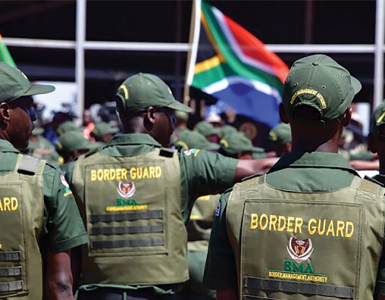
Through Operation Shanela and other high-density operations conducted jointly by SAPS, Home Affairs and law enforcement agencies, government says 29 731 illegal foreign nationals have been arrested nationwide since January this year.
But while Pretoria seeks to frame the issue as one of legal enforcement and orderly immigration control, the regional fallout tells a more complicated story.
Mozambique recently dispatched a special delegation to South Africa to monitor the safety of Mozambican migrant workers after anti-immigrant tensions sparked fears among foreign communities.
Mozambican officials say institutional mechanisms have been activated to protect their nationals and to ensure labour and social rights are safeguarded.
The concern reflects wider unease among neighbouring countries whose citizens make up a significant share of migrant labour in South Africa.
In KwaZulu-Natal, around 200 foreign nationals have taken refuge at the Diakonia Refugee Centre in Durban, reportedly fearing for their safety after threats allegedly linked to anti-illegal immigrant groups.
The National Joint Operational and Intelligence Structure (NATJOINTS) this week launched a verification process at the centre to establish the legal status of those sheltering there.
Authorities say those lawfully residing in South Africa will receive protection, while undocumented migrants will be processed in line with immigration laws.
At the same time, police are investigating allegations of assault, intimidation, malicious damage to property and business disruptions linked to recent tensions.
The Diakonia developments have become one of the clearest signs yet of how quickly immigration tensions can escalate from political rhetoric to humanitarian emergency.
Beyond South Africa’s borders, Ghana has taken the extraordinary step of preparing to evacuate more than 800 of its citizens from South Africa following outrage over a viral video showing the alleged assault of a Ghanaian national during the latest anti-foreigner tensions.
The evacuation, initially scheduled for this week, has been delayed because of logistical and legal clearance requirements, but Ghanaian authorities say preparations remain in place.
Accra has also escalated the issue diplomatically, formally seeking to place the attacks in South Africa on the African Union agenda.
The move signals growing continental frustration over recurring violence targeting African migrants in South Africa — a country that has historically championed pan-African solidarity and African integration.
The optics are uncomfortable.
On one hand, South Africa insists it has a sovereign right to manage illegal migration, protect public order and enforce immigration laws.
On the other, images of foreign nationals seeking refuge, evacuations being planned, and migrant communities living in fear are fuelling accusations that enforcement debates are increasingly being overshadowed by xenophobic vigilantism.
President Cyril Ramaphosa has sought to reassure African governments, saying there is “no place in South Africa for xenophobia, ethnic mobilisation, intolerance or violence.”
He has blamed opportunists for orchestrating attacks and warned against criminality masquerading as activism. Yet the regional developments suggest concern remains high.
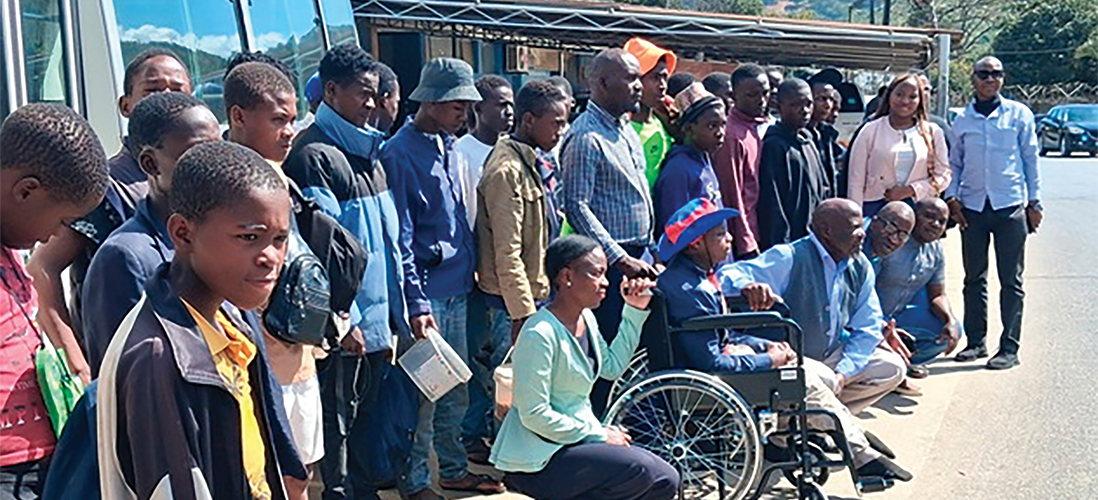
Elsewhere in the region, Zimbabwe this week deported 29 undocumented Mozambican nationals, including 28 teenage boys and a visually impaired man, underscoring the wider migration pressures facing Southern African countries as economic hardship, unemployment and porous borders continue to drive irregular movement across the region.
Migration analysts say South Africa’s crisis cannot be viewed in isolation.
The country remains both an economic magnet and a pressure valve in a region marked by fragile economies, youth unemployment, climate shocks and uneven development.
That reality makes immigration both a domestic political flashpoint and a regional diplomatic issue.
Government insists the answer lies in lawful enforcement, stronger border systems and institutional coordination — not street-level vigilantism.
But with refugee centres filling, neighbouring governments intervening and anti-immigrant tensions spilling onto the continental stage, South Africa’s immigration debate is no longer just about border control.
It is increasingly about whether Africa’s biggest economy can enforce its laws without igniting a broader crisis of fear, displacement and fractured regional relations. – Additional reporting by AFP/Miramar TV/SAnews.gov.za