 WeeklySA_Admin
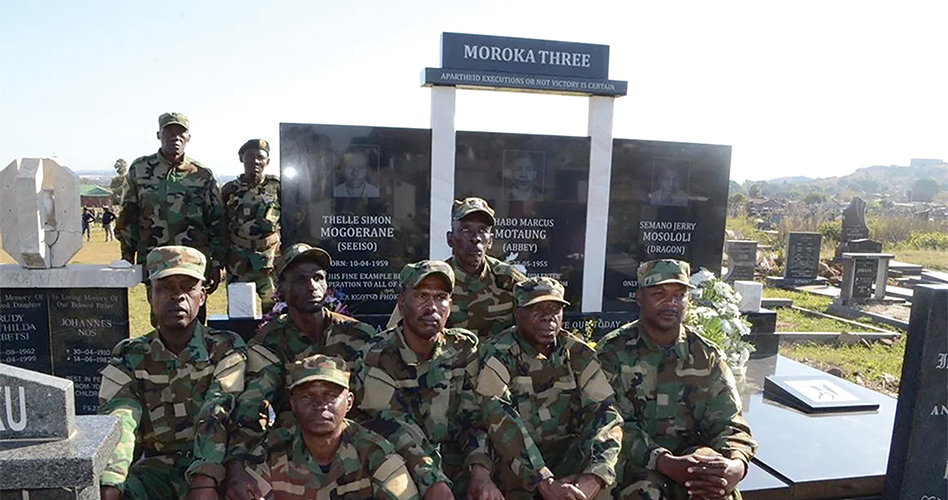
UNDYING QUEST: Three young men – Thelle Simon Mogoerane, Jerry Semano Mosololi and Marcus Thabo Motaung – fled into exile after the 1976 student revolt, returned as Umkhonto we Sizwe cadres and paid the ultimate price for their role in the struggle against apartheid…
By Monk Nkomo
They were among the thousands of students who fled South Africa in the wake of the June 1976 uprising, crossing borders to undergo military training before returning home — resolute and unyielding in their quest to liberate their people from the shackles of apartheid.
As South Africa and the world commemorate the 50th anniversary of the June 1976 student revolt against Afrikaans as a medium of instruction in Black schools, it is also a time to remember the sacrifices made by three young men who secretly left the country with a single ambition: to fight racism and oppression in a nation where the majority were denied the right to vote and determine their own future.
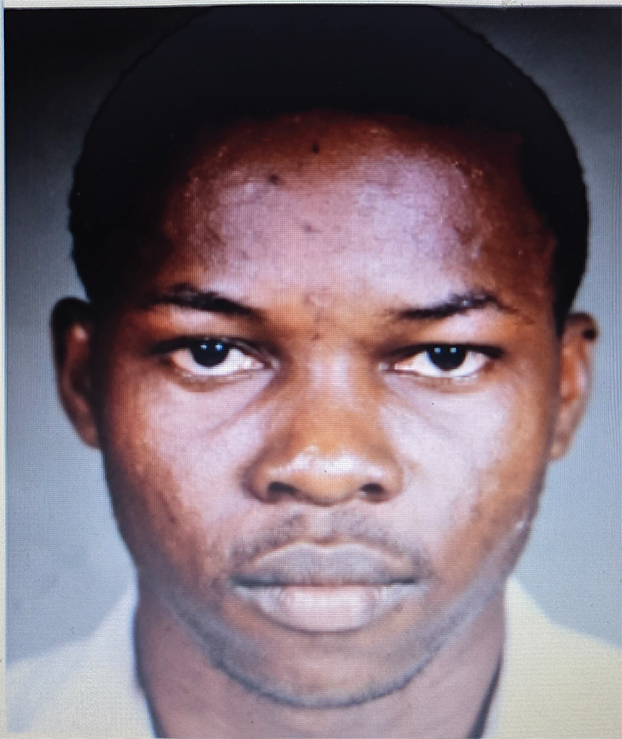
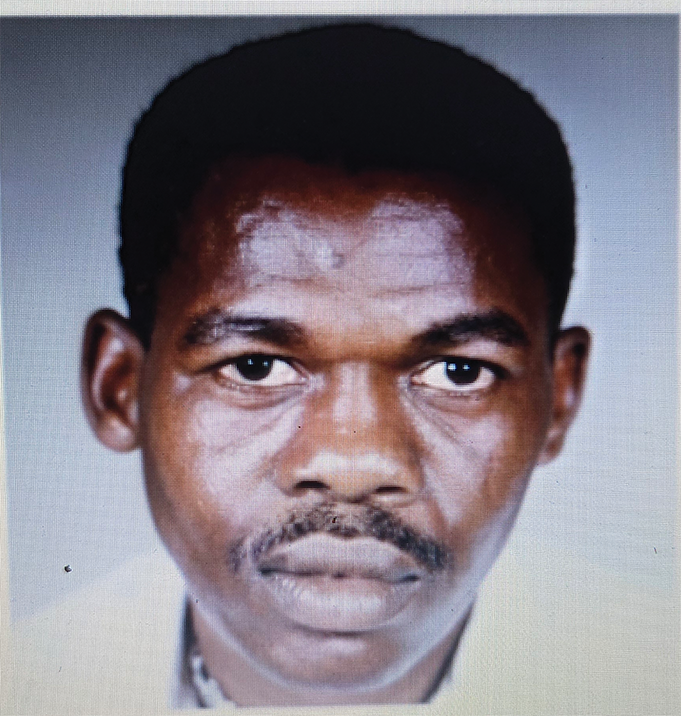
Thelle Simon Mogoerane (23), Jerry Semano Mosololi (25) and Marcus Thabo Motaung (27) embarked on a journey that took them through neighbouring countries, including Mozambique, where they joined Umkhonto we Sizwe (MK), the military wing of the African National Congress (ANC).
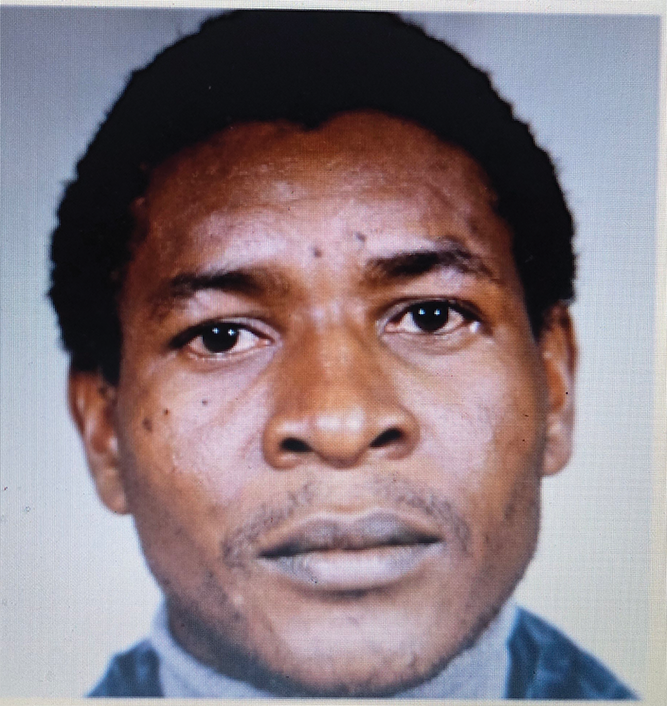
In addition to military training, they received political education from ANC commanders about the National Party’s apartheid policies and the regime’s refusal to negotiate with Black leaders. For many young activists of the time, armed struggle appeared to be the only avenue left to challenge the apartheid state and force it to the negotiating table.
Later known as the “Moroka Three”, the young cadres became involved in operations targeting state infrastructure and security installations associated with the apartheid government. Their story took a dramatic turn in December 1981 when Mogoerane and Mosololi were arrested at a hideout on a farm near Hammanskraal. Motaung was arrested outside a shop in Stinkwater after being shot three times in the groin.
In August 1982, the three men appeared before Judge David Curlewis and two assessors in the Pretoria Supreme Court on charges of high treason and 20 alternative counts, including murder and robbery with aggravating circumstances. All pleaded not guilty. A series of attacks were linked to the accused in court, including operations against the Orlando and Moroka police stations in Soweto and the Wonderboompoort police station in Pretoria North, where four policemen were killed.
Mogoerane faced charges relating to attacks on the Moroka and Orlando police stations in May and November 1979, the Wonderboompoort police station attack in December 1981, sabotage at the Capital Park power station in Pretoria, and the theft of a vehicle allegedly used in the Wonderboompoort operation.
Mosololi was charged with sabotage of a railway line near New Canada in Soweto in May 1981, involvement in the Wonderboompoort attack, vehicle theft, and the attack on the Capital Park electricity substation.
Motaung, identified as a unit leader, was charged with planning the Wonderboompoort attack and involvement in the operations against the Moroka and Orlando police stations.
During a trial-within-a-trial to determine whether statements made to the police had been given voluntarily, the three accused, represented by advocate Jack Unterhalter SC, alleged that they had been tortured by security police in an effort to extract confessions.
Mogoerane testified that while being interrogated at the notorious Compol building in Pretoria, a pistol was forced into his mouth. He told the court that he was made to kneel and lie on the floor before receiving electric shocks throughout his body, including his genitals. He further alleged that a wet plastic bag was tightened over his head, making it difficult for him to breathe.
Doctor’s apology
Motaung testified that despite suffering gunshot wounds to the groin, he was forced to accompany police officers on pointings-out while in severe pain. He said he was denied proper medical treatment and was only admitted to hospital after three days of interrogation.
Under cross-examination before court, district surgeon Dr MS Snyman, who examined Motaung after his arrest, apologised for failing to ensure that he (Motaung) received adequate medical care before police questioning continued.
At the conclusion of the trial-within-a-trial, Judge Curlewis rejected the allegations of torture and ruled that the statements had been made freely and voluntarily. The confessions became central to the State’s case.
On August 4 1982, Mogoerane, Mosololi and Motaung were found guilty of high treason.
During mitigation proceedings, the three men remained defiant. They told the court that they did not recognise its legitimacy and reiterated that they had left South Africa for military training before returning to fight for the liberation of their people.
Two days later, on August 6, Judge Curlewis delivered the sentence.
“The facts of this case have proved that the ANC is an organisation prepared to shed the blood of innocent people,” he said. “The murders of these four policemen were premeditated and cold-blooded.”
He then imposed the ultimate punishment. Death sentence.
“You shall all be returned to custody from whence you have come, where you shall remain until the day you are hanged by the neck until you are dead.”
‘Amandla!’
The three men raised their fists and shouted before being led from the dock and transported back to Pretoria Central Prison. There, they awaited the final fate for two years in a condemned section known as “The Pot” for the day of their execution.
The death sentences sparked outrage locally and internationally. Appeals for clemency came from foreign governments, anti-apartheid organisations and prominent South African leaders, including Archbishop Desmond Tutu. The apartheid government remained unmoved.
52 Steps
In the early hours of June 9 1984, Mogoerane, Mosololi and Motaung were led from The Pot. They were made to climb the 52 steps leading to the gallows. Barefoot and blindfolded.
At the 52th step, the executioner waited. Ready to perform his grisly task – in the name of law of the apartheid state. He placed ropes around their necks. Pulled the lever. Mogoerane, Motaung and Mosololi were no more. Executed.
Protests followed. Fury. The news triggered renewed resistance across the country. Three young men who carried the weight of the oppressed – to the gallows. They would become symbols of sacrifice in South Africa’s struggle for freedom.
Shortly before his execution, Mogoerane delivered words that would outlive him:
“They can kill the body. They will never kill the soul.”
A book on the lives of the Moroka Three is expected to be published soon.