 WeeklySA_Admin
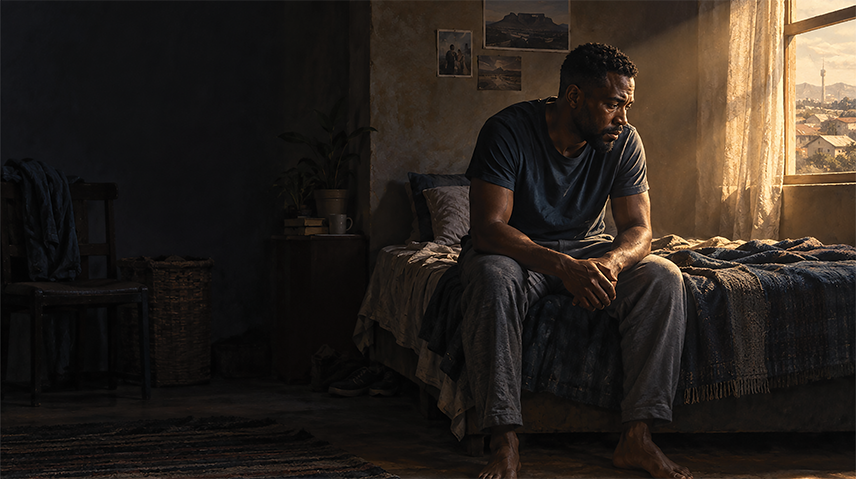
EXPECTATIONS: Men account for nearly 80% of recorded suicides in South Africa, yet many remain trapped by stigma and expectations of masculine strength. Leon de Beer argues that speaking up and seeking help are acts of courage, not weakness…
By Leon de Beer
When I started working on an article about men and suicide, I wanted to include the voices of men themselves.
The SA Federation for Mental Health put out a call on our social media platforms, website and fortnightly newsletter asking men to share their thoughts and experiences. I even posted the request on my personal Facebook page.
The call went out far and wide across South Africa. Not a single man got in touch with me.
Nothing. Zero. Just silence.
Asking for help is not ‘unmanly’. It is not a sign of weakness. We simply cannot continue to lose lives to suicide…
For me, that silence says more than many of the facts and figures about men and mental health. South Africa is facing a serious suicide crisis. Around 80% of recorded suicides in the country are among men. Of 13 774 suicides recorded in one dataset, 10 861 – or almost 79% – were men.
The problem extends far beyond South Africa. Suicide rates among men are higher than among women in almost every country, even though women have higher rates of suicidal thoughts and behaviour.
Men are also less likely to be identified as being at risk of suicide and can be harder to reach through suicide-prevention interventions. Signs that a man’s mental health is deteriorating may also go unnoticed by those around him.
It is one reason suicide among men has been described as a “silent epidemic”.
Society silencing men
Society still places powerful expectations on men. The familiar instructions to “man up” and the belief that “boys don’t cry” encourage men to be fearless, brave and emotionally strong.
Men are expected to be in control and confident. They are often expected to be the provider, protector and dependable person others can turn to in difficult times. But these expectations can have the opposite effect.
When a man is struggling with his mental health, the very characteristics society expects from him can leave him feeling inadequate. Seeking help can make him feel vulnerable or as though he has failed to live up to expectations of what a man should be. It is simply unrealistic to expect men always to be the “stronger sex” and to find a way to pull themselves together.
Traditional masculine norms can also discourage men from expressing painful emotions or seeking professional help. These expectations can include physical strength, competitiveness, dominance, emotional stoicism, financial independence and being the provider.
Men who feel unable to meet these expectations can experience stigma not only from others, but also in how they see themselves. Mental health problems are extremely common, yet stigma continues to make it difficult for people to talk about them. For men, this is particularly concerning.
Men are less likely than women to seek help for mental health problems. They are also more likely to stop therapy early and to have negative attitudes towards seeking professional support.
Depression in men
Men may avoid disclosing feelings of depression to health professionals or describe what they are experiencing as problems with work or relationships. They may talk about “stress” rather than hopelessness or sadness.
Some try to cope by using alcohol or other substances. Others may withdraw socially, become irritable, engage in risky behaviour or struggle to keep up with ordinary daily activities.
When mental health problems remain untreated, these coping strategies may temporarily numb distress but can create additional problems and increase the likelihood that conditions such as anxiety and depression remain unrecognised.
This is happening against a difficult social backdrop.
In May, the South African government raised concerns about the mental health crisis affecting boys and men, highlighting unemployment, social pressures, substance abuse, economic hardship, family breakdown and unresolved trauma among the factors placing men under psychological strain.
Limited access to mental health services, particularly in underserved and rural communities, can make these challenges even harder to address.
Breaking the silence
Suicide is complex. There is no single explanation for why a person reaches a point where they contemplate ending their life. But suicide can be prevented.
Communities and individuals can play a role by identifying men who may be at risk and offering support. We can create opportunities for people to connect with others and ensure that mental health support is available.
When someone shows signs of depression, ask what you can do to help and let them know you are there to listen. Comments about suicide should never be dismissed or made light of. A person who is struggling should be encouraged to seek help from a GP or mental health professional.
Practical and emotional support matters. Sometimes a person experiencing suicidal thoughts may not be motivated to seek help themselves. The people around them may need to listen, offer encouragement and help them access professional support.
It is also important to remember that the presence of warning signs does not mean someone will inevitably attempt suicide. But those signs should never be ignored. Every suicide is a tragedy that affects families, communities and those left behind.
Silent epidemic
We cannot continue allowing male suicide to remain a silent epidemic. When I asked men to contribute their experiences to my original article, the response was silence.
That silence hangs heavily over conversations about men and mental health, particularly when we start talking about suicide. It can obscure the painful reality of men who are struggling. It can also become a barrier to getting the help they need.
Breaking that silence requires greater public awareness, effective prevention strategies, better understanding of male suicide and continued research. But it also requires men themselves to speak.
My message to men is simple: speak up and ask for help before it is too late. Asking for help is not “unmanly”. It is not a sign of weakness. We simply cannot continue to lose lives to suicide. – Health-e News
Leon de Beer is the deputy director for the South African Federation for Mental Health
Comment
SAFA’S PIVOT TO THE PAST
Last week’s South African Football Association conference offered delegates an opportunity to draw a line under years of controversy and begin rebuilding one of the country’s most important sporting institutions.
Instead, they chose continuity — and, with it, the stagnation that has come to define SAFA.
Danny Jordaan’s election to a fourth term cannot credibly be presented as renewal. It extends a leadership era overshadowed by governance failures, financial concerns, bitter internal battles and recurring allegations that have steadily weakened confidence in the association.
South Africa’s hosting of the 2010 FIFA World Cup should have transformed the domestic game. The tournament brought enormous investment, world-class infrastructure and a rare surge of national enthusiasm.
Yet, 16 years later, grassroots football remains neglected, development structures are fragile and the national game has failed to fulfil that promise.
No leader should be allowed to become indistinguishable from the institution he serves. Long tenures can breed complacency, encourage cronyism and create an intolerance of dissent. They also frustrate succession planning by promoting the idea that progress depends on one individual rather than strong, transparent systems.
Jordaan’s refusal to step aside temporarily while seeking to clear his name in the court case engulfing him is equally troubling. A temporary withdrawal would not amount to an admission of guilt.
It would demonstrate respect for the office, protect SAFA’s integrity and allow the legal process to unfold without placing the association under a continuing cloud.
Our criticism should not be interpreted as an endorsement of Sandile Zungu or any other candidate.
The issue is bigger than personalities. It is about whether SAFA’s delegates were prepared to demand ethical leadership, accountability and a credible succession plan.
They were not.
By granting Jordaan another term, delegates have effectively declared themselves satisfied with the direction of an organisation whose reputation has been battered repeatedly. They have rewarded the status quo when South African football desperately needed a fresh mandate.
Jordaan has run his race. Whatever achievements may be attributed to him, leadership renewal is necessary for institutions to remain responsive, accountable and open to new ideas.
The tragedy is that the people who will pay for this failure are not the delegates who cast their votes.
It will be young players without development opportunities, struggling community clubs, coaches working without adequate support and supporters yearning for progress.
SAFA needed a new beginning. Its delegates chose yesterday — again.