 WeeklySA_Admin
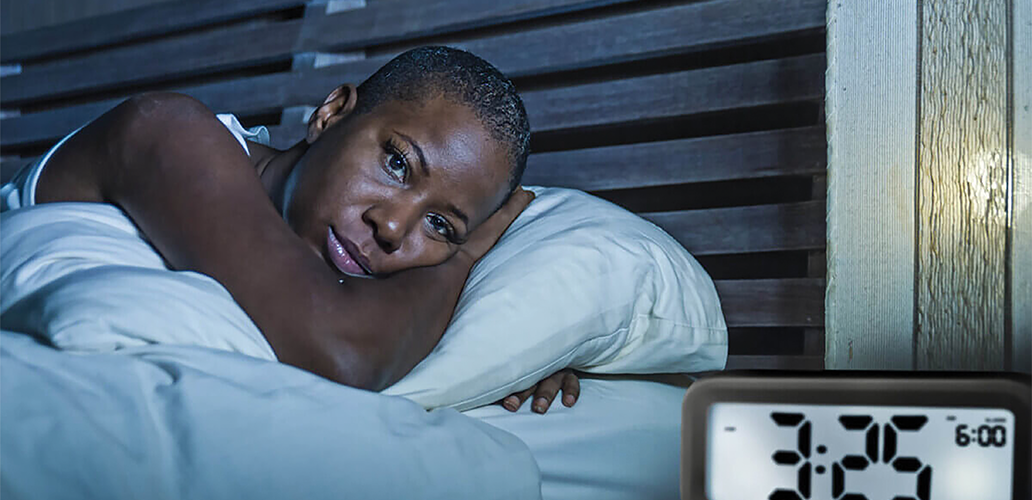
PREDICTORS: A year-long study suggests that poor work-life balance and work-related strain can follow older employees into the bedroom, with frequent night-time awakenings emerging as a greater problem than short sleep duration…
By Own Correspondent
A year-long study of over-50 workers in the UK has found that most experienced poor sleep, with work-life balance emerging as one of the strongest predictors of both sleep quality and overall wellbeing.
Wrist-worn sensors revealed that frequent night-time awakenings — rather than short sleep duration — were the main cause of disrupted sleep, even though many participants believed they were simply not sleeping for long enough.
Women reported more sleep problems than men, yet sensor data showed that they generally slept longer and more efficiently. Researchers said the apparent contradiction warranted further investigation, particularly because of the study’s small sample.
The researchers also suggested that combining wearable devices with regular health check-ins could eventually support digital health tools for workers. However, that possibility remains untested. The study followed workers aged between 50 and 66 for a full year — an unusually long period for research combining detailed questionnaires with wearable sensors.
For many older employees, work-related strain does not end
when the working day is over — it follows them into bed…
Published in Scientific Reports, the study formed part of the University of Edinburgh’s Supporting Healthy Ageing at Work project. It raises important questions about how employers and health systems respond to an ageing workforce. In the UK, workers over 50 now make up about one-third of the workforce, representing a record 3.6 million people as of 2023.
Participants were drawn from four sectors: manufacturing, social care, finance and self-employment. They wore a wrist sensor called Geneactiv for approximately 35 to 40 days at a time, on as many as three occasions during the year.
They also regularly completed questionnaires about job stress, sleep and wellbeing. Researchers collected 1,901 questionnaire responses and 5,258 days of sensor data.
Median adherence was 67% for both the weekly questionnaires and the wearable device. Two participants never wore the device, while seven withdrew before the study began.
Sleep problems were recorded across all four sectors, with manufacturing workers reporting particularly high scores. However, because of the small sample, researchers cautioned that comparisons between sectors should be regarded as suggestive rather than definitive.
AWAKENINGS, NOT SHORT NIGHTS, DROVE DISRUPTION
The wrist sensors provided information that questionnaires alone could not capture.
Most participants believed they were not sleeping for long enough. But the devices showed that they were generally getting close to seven or eight hours of sleep a night, although nearly everyone experienced occasional poor nights.
The bigger problem was how frequently participants woke during the night and how long they remained awake.
Six participants who regularly worked beyond 10pm tended to fall asleep after midnight, while their sensors recorded more movement during sleep. Two other participants were shift workers, but researchers said the numbers were too small to influence the overall findings.
Work-life balance
When researchers analysed which factors best predicted sleep quality and overall wellbeing, work-life balance stood out.Participants who reported a poor work-life balance consistently recorded worse sleep and wellbeing scores during the year.
Feeling tense or irritable because of work was strongly associated with poorer wellbeing, while reporting that work made it difficult to sleep was among the most consistent predictors of poor sleep. A friendly workplace atmosphere appeared to have a stronger influence on wellbeing than on sleep.
The wristband data also allowed researchers to calculate sleep efficiency — the proportion of time in bed that a person actually spent asleep rather than lying awake or drifting in and out of sleep.
Sleep efficiency independently predicted both sleep and wellbeing scores, even after researchers took participants’ questionnaire responses into account.
The findings also showed that it was not only average sleep quality that mattered, but how much sleep varied from one night to the next. A person who experienced several poor nights during an otherwise good week tended to fare worse than someone whose sleep was consistently average.
Sensor readings from the previous week closely tracked participants’ wellbeing, while readings from the preceding few days aligned more strongly with their sleep scores. Researchers said this pattern required further study.
Women and worse sleep
A notable mismatch emerged when the researchers analysed the results by gender.
Women reported more sleep problems than men, yet their sensor data showed that they spent a greater proportion of the night asleep, experienced fewer disturbances and slept for periods closer to eight hours.
Men recorded more moderate-to-vigorous physical activity each day but slept for shorter periods and spent more time awake or restless during the night.
Researchers noted that similar differences between self-reported and sensor-recorded sleep have appeared in earlier studies. However, because of the small sample, the gender findings should be regarded as a possible lead for further research rather than a settled conclusion.
Why this matters
With one in three UK workers now over 50, the findings highlight how workplace strain can extend beyond working hours and disrupt sleep over prolonged periods.
Health problems are among the leading reasons older employees leave the workforce early, creating wider consequences for households, employers, health systems and the economy.
Researchers floated the possibility that a short weekly check-in, combined with a wearable device that tracks sleep, could eventually be incorporated into digital health platforms. Such systems might give workers and healthcare professionals a clearer picture of how employment conditions affect health.
That application remains speculative. What the study shows more clearly is that, for many participants, work-related strain did not end when the working day was over — it followed them into bed. – StudyFinds